 Business License

75 x 1.2 x 22 mm 72T Solid Carbide Circular Saw Blade | Precision Cutting Guide
Introduction
In precision machining, small blade size does not mean small performance.
A 75 x 1.2 x 22 mm 72T solid carbide circular saw blade is one of the most underestimated tools in professional workshops. While large rip saws get all the attention, this compact, high‑tooth‑count blade delivers:
burr‑free edges
minimal material waste
stable cutting in tough materials
Recently, I published the technical spec of this exact blade on LinkedIn. The response confirmed what many machinists already know:
The right blade geometry matters more than machine power.
Blade Specifications Breakdown
Let’s decode the numbers: 75 × 1.2 × 22 mm – 72T
🔹 75 mm Diameter
Ideal for compact miter saws, automated cut‑off machines, and small table saws
Higher RPM stability
Less deflection → straighter cuts
🔹 1.2 mm Kerf (Ultra Thin)
Saves material – less waste into chips
Requires less motor power
Reduces heat generation
🔹 22 mm Bore
Common industrial arbor size
Maximizes contact with spindle
Reduces vibration and runout
🔹 72 Teeth (72T)
Extremely high tooth density for a 75 mm blade
Produces near‑finished surface quality
Eliminates secondary deburring
Why Solid Carbide, Not Carbide‑Tipped?
Many blades are carbide‑tipped (hard teeth, soft body).
This blade is 100% solid carbide.
| Feature | Solid Carbide |
|---|---|
| Stiffness | 3× stiffer than steel |
| Thin‑kerf stability | Excellent (no wobble) |
| Heat resistance | Maintains hardness at high RPM |
| Abrasive materials | Lasts 10–20× longer |
👉 Verdict:
If you cut carbon fiber, hard plastics, or non‑ferrous metals, solid carbide is non‑negotiable.
Best Applications for a 72T Solid Carbide Blade
Because of the high tooth count + thin kerf + solid carbide, this blade is not for construction framing.
It is a precision finishing blade.
✅ 1. Aluminum & Non‑Ferrous Metals
72 teeth prevent grabbing
Clean, polished edges on extrusions
Ideal for copper, brass, aluminum profiles
✅ 2. Thin‑Walled Tubes
1.2 mm kerf reduces mechanical stress
Prevents tube collapse
Minimal burr inside and outside
✅ 3. Carbon Fiber & Composites
Standard blades dull instantly
Solid carbide retains sharpness
72T prevents delamination (layer fraying)
✅ 4. Acrylics & Plastics
No melting or re‑welding
Glass‑like edge finish
Suitable for polycarbonate, PVC, plexiglass
Critical Setup & Feed Strategy
A 72‑tooth blade has small gullets (space between teeth).
📌 Rule:
High RPM + slow feed rate
If you push too fast:
Chips clog gullets
Heat builds up
Blade cracks or burns material
✅ Pro tip:
Let the teeth do the work. A slow, steady feed produces mirror finishes.
Maintenance & Safety for Thin Solid Carbide Blades
A 75 × 1.2 mm solid carbide blade is extremely hard — but also brittle.
⚠️ Runout is the enemy
Spindle runout must be <0.02 mm
Dirty or bent arbors will crack the blade
⚠️ Never run a dull blade
Inspect the 72 teeth under magnification
Micro‑chips = immediate resharpening or replacement
⚠️ Clean resin buildup
Pitch changes effective kerf thickness
Use a pitch remover weekly
Why This Blade Is a Hidden ROI Driver
At first glance, a 75 mm solid carbide saw blade looks like a niche tool.
In reality, it solves three expensive shop problems:
| Problem | Solution |
|---|---|
| Burrs on aluminum | 72T shears cleanly |
| Material waste | 1.2 mm kerf saves 30‑40% vs thick blades |
| Delamination in composites | Solid carbide + high tooth count |
For job shops, aerospace, automotive, and sign makers, this blade pays for itself in scrap reduction alone.
Final Verdict
The 75 × 1.2 × 22 mm 72T solid carbide circular saw blade is not a beginner’s blade.
It is a specialist tool for:
aluminum fabrication
composite cutting
high‑precision plastic trimming
thin‑wall tube cutting
If your shop struggles with:
❌ melted edges
❌ burrs
❌ chipped laminates
…don’t change the machine.
Change the blade.
Let’s Connect
Have you used a high‑tooth‑count solid carbide blade for non‑ferrous or composite cutting?
Let’s discuss precision sawing strategies.
Recently Posted
-
How to Choose the Right Cemented Carbide Drill Bit for High-Performance Machining
June 3, 2026In precision machining, the drill bit is often the unsung hero. Among all types of drilling tools, cemented carbide drill bits sta Read More
 -
Solid Carbide End Mill for HRC58 Hardened Steel – D8*20*8*60L-4F with Bronze Coating
June 2, 2026Machining hardened steel (up to HRC58) presents unique challenges: high cutting forces, heat generation, and rapid tool wear. With Read More
 -
Why YG6 Tungsten Carbide Nozzles Are the Industry Standard for Abrasive Resistance
May 28, 2026In industries ranging from sandblasting to water jet cutting, the nozzle is one of the most critical yet overlooked components. A Read More
 -
TCGW0902 Carbide Substrate for PCD Inserts: Structure, Performance, and Application Advantages
May 25, 2026In the world of precision machining, the performance of a PCD (Polycrystalline Diamond) cutting tool depends not only on the diamo Read More

Contact Us
Recommended Products
-
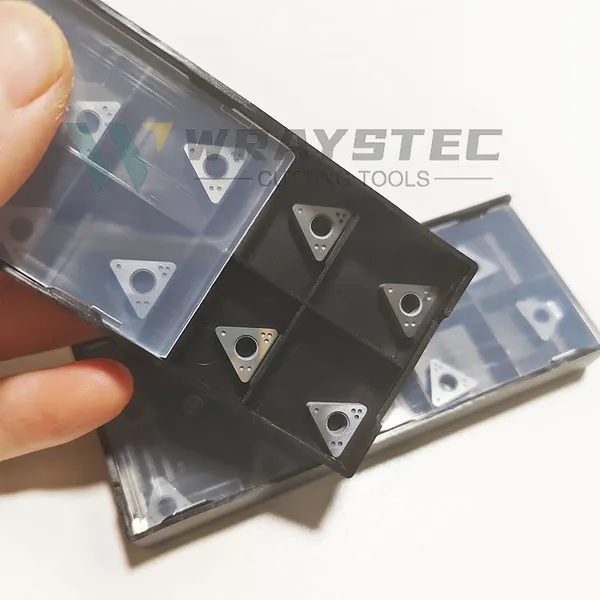
 C2 Ammco Positive Rake Carbide Bits for RELS Model 45016 R08/10/12 RadiusUS$ 2.5 - 3MOQ: 50 Blades
 -
C2 Ammco Positive Rake Carbide Bits for RELS Model Brake Lathe 45016 RELS Carbide Bits RelacementsUS$ 2.5 - 3MOQ: 50 Blades
-
Holder Number 45703 Inserts Number CB90488 Replaces Accuturn Carbide Bit for Hard SteelUS$ 1.35 - 2.82MOQ: 10 Blades
-
CB90488 Replaces Accuturn Part Number 433796 Fits Accuturn Tool Holders: 433763, 433764, 434056, 434057, 434286, 433779US$ 1.35 - 2.82MOQ: 10 Blades
-
CB90488 Positive Rake Carbide Inserts for Accuturn Models 8911, 8922, 8944, 8989, 8991, 8993US$ 1.35 - 2.82MOQ: 10 Blades
-
Ammco 6914 Insert Can be Used on 6 Edges With Ammco Twin Cutter (6950)/ RELS Twin Cutter (40095) /negative Rake Tool Holder Set # 45701US$ 1.05 - 2MOQ: 10 Blades
-
Negative Rake Carbide Inserts For Ammco Models 4000, 4100, 7000 Lathes CB6914/6918-10US$ 1.05 - 2MOQ: 10 Blades
-
Positive Rake Carbide Bits for Ammco Model 2000 Brake Lathe CB6914-10US$ 1.05 - 2MOQ: 10 Blades
-
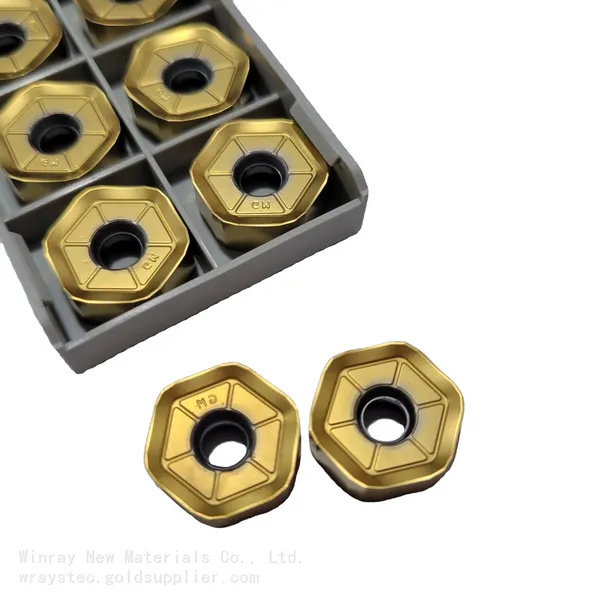
Carbide Milling Tools HNGX0906 45 Degree Double Side Heavy Duty MachiningNegotiableMOQ: 10 Blades
-
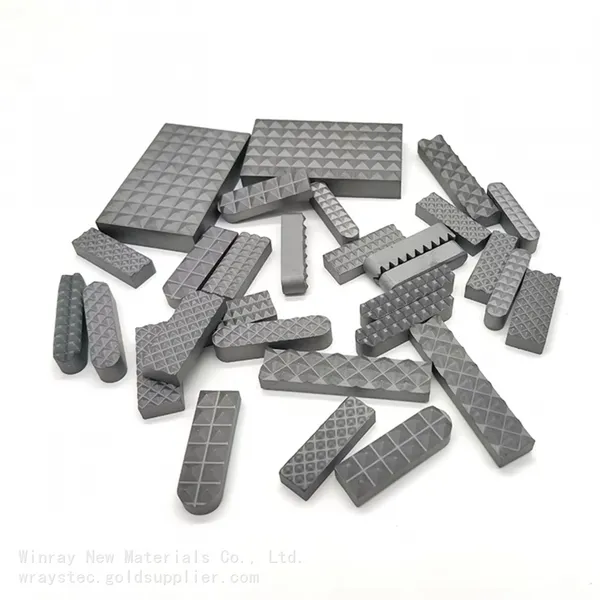
Carbide Chuck Jaw Inserts for Pipe Chuck Clamp MechanicalNegotiableMOQ: 100 Blades
-
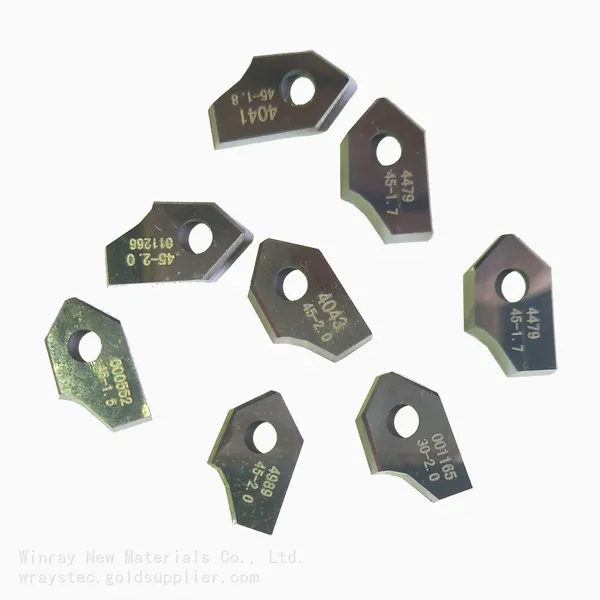
Modern Design High Precision Serdi Carbide Pilot for Guide Cutting MachineNegotiableMOQ: 10 Blades
-
Valve Seat Boring Machine Carbide Incisors Tungsten Carbide Valve Seat InsertsNegotiableMOQ: 10 Blades
-
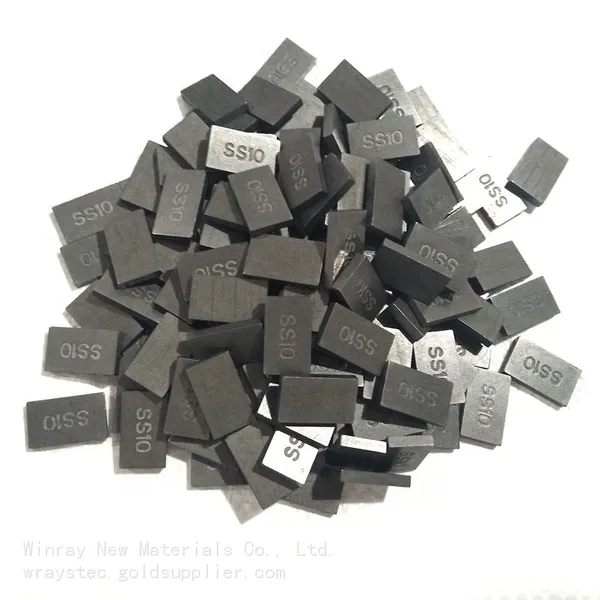
ISO Standard and Best Price Carbide Tips Ss10 Carbide Stone Cutting TipsNegotiableMOQ: 20 Kilograms
-
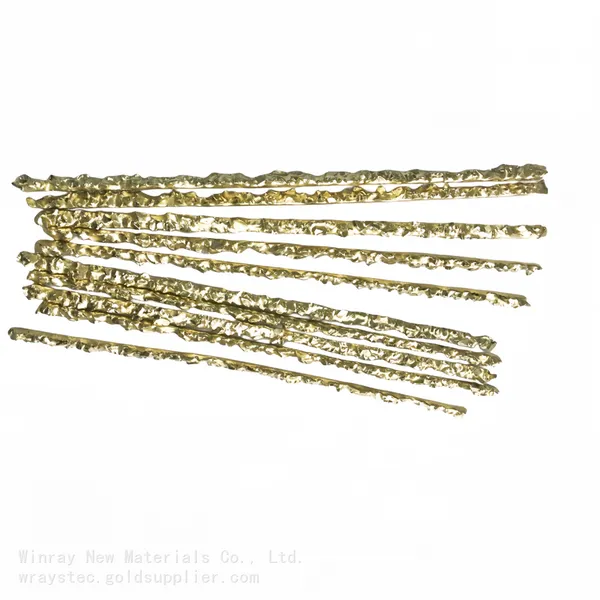
Tungsten Carbide Composite Rods Welding Composite Rods High Wear Resistance for AgriculturalNegotiableMOQ: 10 Kilograms
-
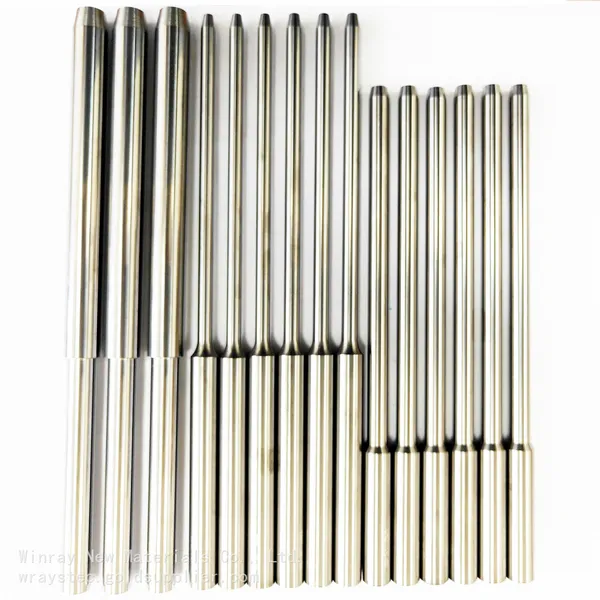
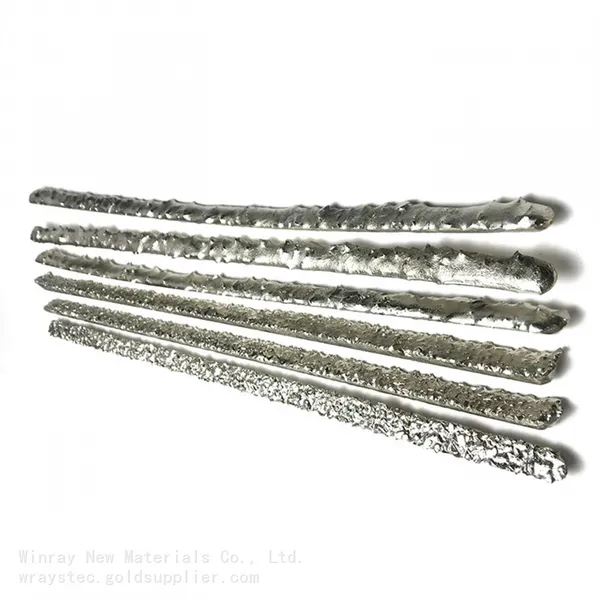
Tungsten Carbide Composite Rod YD Rods YD-5 60/40 With Nickel Matrix AlloyNegotiableMOQ: 10 Kilograms
-
U-shape 40*4.4/4.7/5.0*15mm Diameter Granite Marble Stone Cutting Disc Saw Blade SegmentsNegotiableMOQ: 1 Blade
-
Diamond Saw Blades for Marble Block CuttingNegotiableMOQ: 1 Blade
-
Diamond Wire Rope for Mining OperationsNegotiableMOQ: 1 Combo
-
100% Carbide Raw Materials of PCD Inserts With High Hardness Carbide Base TNGA16T304/08NegotiableMOQ: 10 Blades
-
TNMG160404/08/12 CNC Cutting Inserts Triangular Shape for Precision Turning of Steel and Stainless Steel WorkpiecesNegotiableMOQ: 10 Blades