 Business License

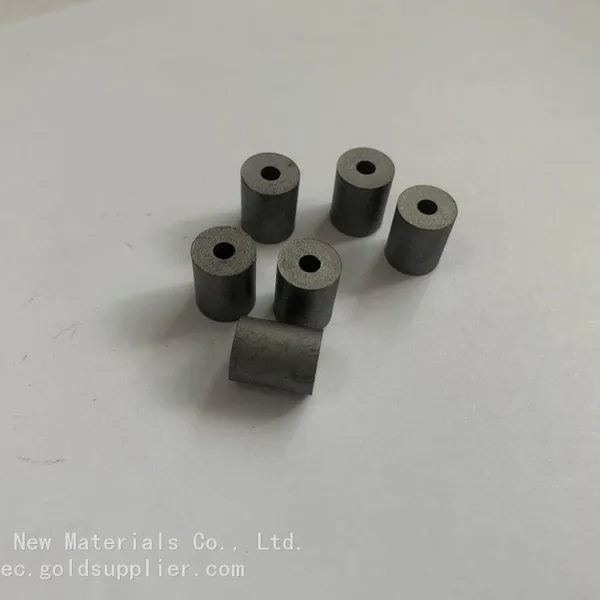
Why YG6 Tungsten Carbide Nozzles Are the Industry Standard for Abrasive Resistance
In industries ranging from sandblasting to water jet cutting, the nozzle is one of the most critical yet overlooked components. A worn nozzle reduces efficiency, increases downtime, and drives up operational costs.
That’s where tungsten carbide nozzles – especially those made from YG6 grade – become game-changers.
If you’ve ever searched for “wear-resistant nozzle for abrasive flow” or “long-life sandblasting nozzle,” you’ve likely encountered YG6. But what makes it so special?
Let’s break it down.
YG6 is a cobalt-bonded tungsten carbide alloy. The “YG” stands for “Ying Gu” (hard alloy in Chinese), and the number refers to the cobalt content – in this case, 6% cobalt, 94% tungsten carbide.
This composition delivers:
High hardness (HRA 89–91)
Excellent compressive strength
Superior wear resistance
Good impact resistance for a hard material
Compared to ceramics, YG6 is tougher. Compared to tool steel, it lasts 10–50x longer in abrasive environments.
Not all nozzles are created equal. Here’s why YG6 tungsten carbide is the preferred choice for many industrial applications:
1. Outstanding Abrasion Resistance
Abrasive particles – whether sand, grit, or slurry – wear down standard nozzles quickly. YG6’s high carbide volume resists erosion, maintaining internal geometry far longer than steel or aluminum oxide.
2. Dimensional Stability
As a nozzle erodes, its orifice diameter increases, reducing jet velocity and precision. YG6 nozzles retain their shape, ensuring consistent performance and better process control.
3. Cost-Effective Over Time
YG6 nozzles cost more upfront than steel but last significantly longer – reducing replacement frequency, labor, and downtime.
4. Corrosion Resistance for Most Media
While not stainless steel, YG6 performs well in neutral and mildly acidic environments, making it suitable for many industrial fluids and dry abrasives.
You’ll find YG6 tungsten carbide nozzles in:
Sandblasting & shot blasting – air and slurry nozzles
Water jet cutting – abrasive mixing tubes
Spray drying – two-fluid nozzles
Oil & gas – descaling and cleaning nozzles
Mining & cement – slurry spraying
Any application where hard particles move through a small orifice at high velocity is a candidate for YG6.
When sourcing YG6 nozzles for resale or in-house use, look for:
Consistent grain structure – fine, uniform carbide grains
No porosity or cracks under magnification
Precision ground orifice – smooth inner surface reduces turbulence
Certified material test report confirming 6% Co and HRA ≥89
A cheap “YG6” nozzle may use recycled powder or improper sintering – resulting in premature failure.
Whether you’re a plant manager reducing downtime, a distributor expanding your wear parts catalog, or an engineer designing abrasive equipment, YG6 tungsten carbide nozzles deliver proven performance.
They won’t last forever – but compared to steel or ceramic, they’re in a different league.
Need a custom size or configuration? Most YG6 nozzle manufacturers offer standard inch/metric sizes and can tool custom geometries for high-volume orders.
Recently Posted
-
Beyond Hardness: Why Cemented Carbide Wear Parts Are Your Best Defense Against Unplanned Downtime
August 28, 2026In the world of heavy industry, maintenance planners lose sleep over one thing: unplanned stoppage. When a wear part fails, the cl Read More
 -
CB50742: The Cast Iron Brake Disc Repair Insert You Need to Know About
August 28, 2026If you work in automotive machining or heavy equipment maintenance, you know that brake disc repair is one of the toughest jobs in Read More
 -
Hardmetal (Cemented Carbide) Slips and Chucks
July 29, 2026In precision machining and workholding applications, hardmetal—also known as cemented carbide or tungsten carbide—plays a critical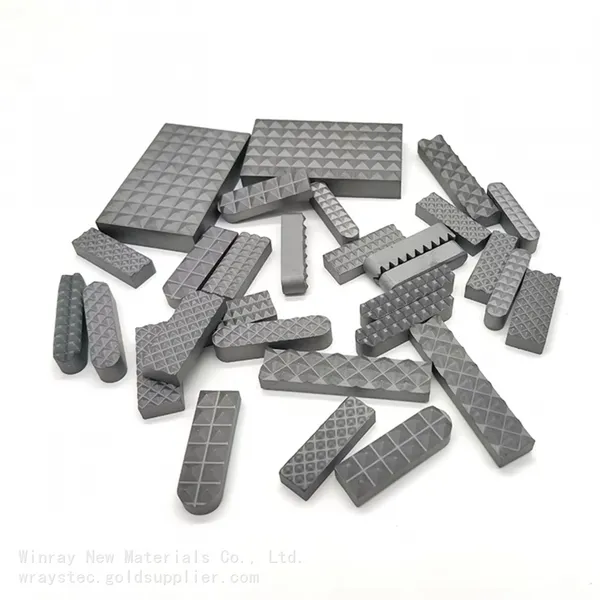 Read More
 -
Carbide Tipped Saw Blades: Unlocking Superior Cutting Performance Across Industries
July 16, 2026In the modern industrial ecosystem, precision cutting is non-negotiable. Whether you are processing engineered wood for high-end f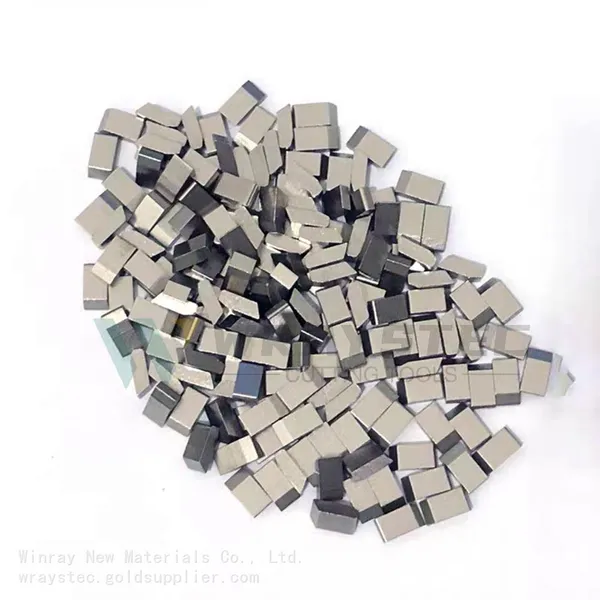 Read More

Contact Us
Recommended Products
-
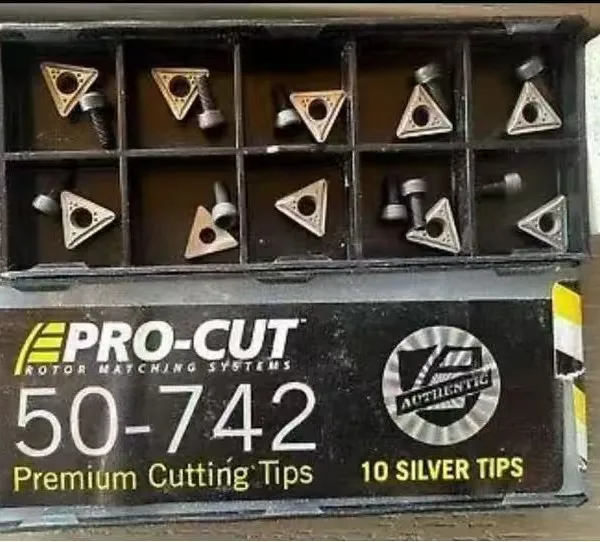
 Wear Resistance CB50742 Carbide Bits for Brake Lath Machine TPGX110308 Hi10 for Cast IronUS$ 1.05 - 2MOQ: 10 Blades
 -
Wear-resistant Cemented Carbide Stamping ComponentsNegotiableMOQ: 1 Unit
-
YG11 Tungsten Carbide Heavy-Duty Wear RingNegotiableMOQ: 1 Unit
-
C2 Ammco Positive Rake Carbide Bits for RELS Model 45016 R08/10/12 RadiusUS$ 2.5 - 3MOQ: 50 Blades
-
C2 Ammco Positive Rake Carbide Bits for RELS Model Brake Lathe 45016 RELS Carbide Bits RelacementsUS$ 2.5 - 3MOQ: 50 Blades
-
Holder Number 45703 Inserts Number CB90488 Replaces Accuturn Carbide Bit for Hard SteelUS$ 1.35 - 2.82MOQ: 10 Blades
-
CB90488 Replaces Accuturn Part Number 433796 Fits Accuturn Tool Holders: 433763, 433764, 434056, 434057, 434286, 433779US$ 1.35 - 2.82MOQ: 10 Blades
-
CB90488 Positive Rake Carbide Inserts for Accuturn Models 8911, 8922, 8944, 8989, 8991, 8993US$ 1.35 - 2.82MOQ: 10 Blades
-
Ammco 6914 Insert Can be Used on 6 Edges With Ammco Twin Cutter (6950)/ RELS Twin Cutter (40095) /negative Rake Tool Holder Set # 45701US$ 1.05 - 2MOQ: 10 Blades
-
Negative Rake Carbide Inserts For Ammco Models 4000, 4100, 7000 Lathes CB6914/6918-10US$ 1.05 - 2MOQ: 10 Blades
-
Positive Rake Carbide Bits for Ammco Model 2000 Brake Lathe CB6914-10US$ 1.05 - 2MOQ: 10 Blades
-
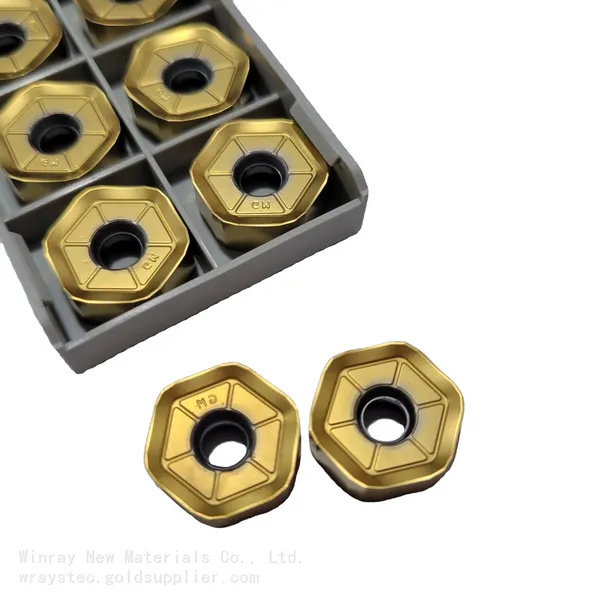
Carbide Milling Tools HNGX0906 45 Degree Double Side Heavy Duty MachiningNegotiableMOQ: 10 Blades
-
Carbide Chuck Jaw Inserts for Pipe Chuck Clamp MechanicalNegotiableMOQ: 100 Blades
-
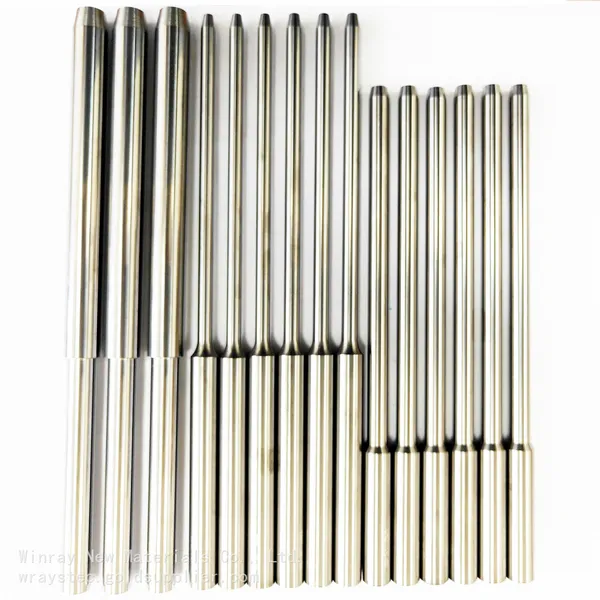
Modern Design High Precision Serdi Carbide Pilot for Guide Cutting MachineNegotiableMOQ: 10 Blades
-
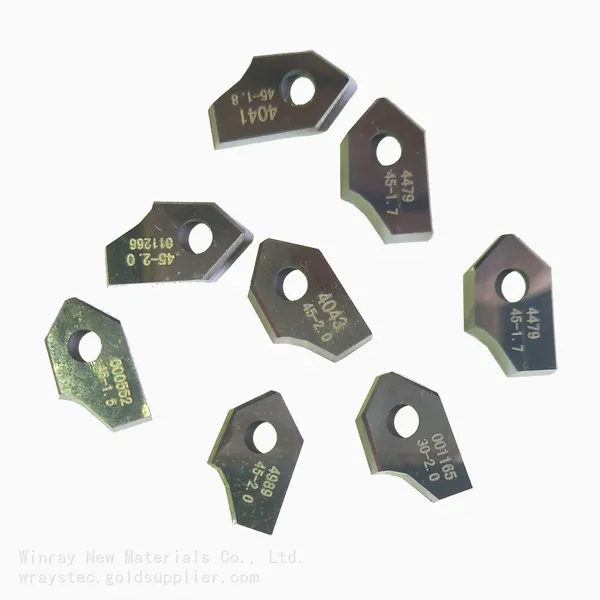
Valve Seat Boring Machine Carbide Incisors Tungsten Carbide Valve Seat InsertsNegotiableMOQ: 10 Blades
-
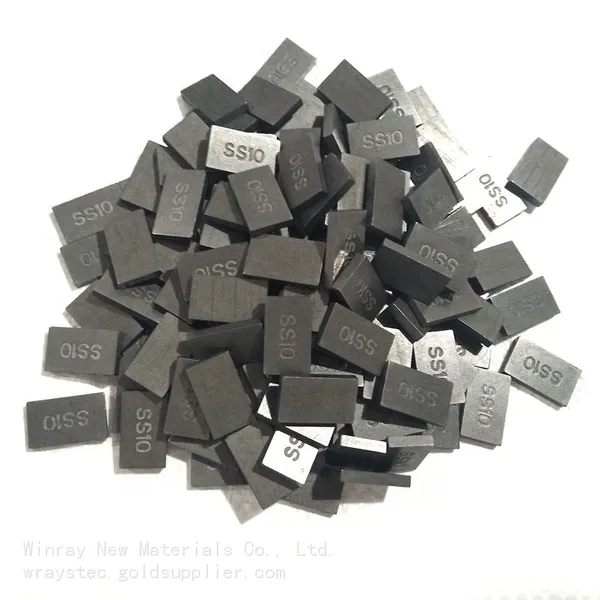
ISO Standard and Best Price Carbide Tips Ss10 Carbide Stone Cutting TipsNegotiableMOQ: 20 Kilograms
-
Tungsten Carbide Composite Rods Welding Composite Rods High Wear Resistance for AgriculturalNegotiableMOQ: 10 Kilograms
-
Tungsten Carbide Composite Rod YD Rods YD-5 60/40 With Nickel Matrix AlloyNegotiableMOQ: 10 Kilograms
-
U-shape 40*4.4/4.7/5.0*15mm Diameter Granite Marble Stone Cutting Disc Saw Blade SegmentsNegotiableMOQ: 1 Blade
-
Diamond Saw Blades for Marble Block CuttingNegotiableMOQ: 1 Blade