 Business License

Hardmetal (Cemented Carbide) Slips and Chucks
In precision machining and workholding applications, hardmetal—also known as cemented carbide or tungsten carbide—plays a critical role in components subject to extreme wear, high clamping forces, and repetitive impact. Two key applications where hardmetal is extensively utilized are slips (also called slip dies or slip jaws) and chucks. These components are essential in industries ranging from oil and gas exploration to high-precision CNC machining, where durability and dimensional stability are paramount.
While often grouped together, hardmetal slips and chucks serve distinct functions across different industrial sectors. This introduction examines their compositions, properties, and applications.
1. Hardmetal Slips (Slip Dies)
In the context of the oil and gas, mining, and heavy drilling industries, slips are wedge-shaped components used to grip and support tubular goods such as drill pipes, casings, and tubing. Hardmetal inserts or entire hardmetal slip segments are employed to provide the aggressive, wear-resistant gripping surface necessary to handle high axial loads without slipping.
Material Properties
Hardmetal slips are typically manufactured from tungsten carbide-cobalt (WC-Co) composites with specific performance characteristics:
High Hardness: Values around HRA 89.5 are common, ensuring the slips can bite into or firmly grip hardened steel pipes without rapid deformation.
High Density: A typical density of approximately 14.85 g/cm³ contributes to the mass and rigidity of the component.
High Transverse Rupture Strength (TRS): A bending strength of around 1840 MPa allows the slips to withstand the high bending and compressive stresses encountered during heavy lifting and drilling operations.
Corrosion Resistance: The cemented carbide composition offers inherent resistance to the corrosive environments often found in downhole and mining applications.
Manufacturing
These components are typically produced via cold-pressing and vacuum sintering techniques, allowing for the creation of complex, non-standard geometries. Manufacturers emphasize strict production controls to manage internal stresses, thereby avoiding cracking during wire EDM cutting processes. Advanced non-destructive testing methods, such as ultrasonic inspection, ensure the material is free from pores and cracks, guaranteeing high density and impact resistance.
2. Hardmetal Chucks (Collet Chucks and Mandrels)
In the machine tool industry, chucks refer to devices used to hold a rotating tool or workpiece. Hardmetal is used in several ways in these devices:
A. Mandrel Chucks (Dead-Length or Inside Chucks)
A specialized application of hardmetal is in mandrel-type inside chucks, which are designed to grip a workpiece from its internal bore. These chucks often feature a guide portion and a series of radial projections on the outer periphery. The diameter of the circle formed by the tips of these projections is intentionally larger than the inside diameter of the workpiece.
Chucking Mechanism and Material:
The gripping action relies on local plastic deformation of the workpiece bore caused by the projections. To maintain their shape and bite over millions of cycles, the mandrel chuck or its projections are made from hardmetal or high-grade die steel. The life of such chucks is significantly extended when coated with materials like titanium carbide (TiC). Hardmetal chucks, particularly those with TiC coatings, demonstrate operational lives several times longer than uncoated tool steel alternatives.
B. Spring Collet Chucks
In CNC machining—particularly on Swiss-type lathes and machining centers—collet chucks are the standard for holding bar stock or tools. While many collets are made from spring steel, the integration of hardmetal offers enhanced performance in demanding applications.
Applications in Collets:
Superhard Linings: Guide bushes used in Swiss lathes frequently feature superhard linings composed of tungsten (85-90%), carbon (5-7%), and a cobalt binder (3-10%). This lining provides extreme wear resistance, ensuring high precision over long production runs.
Embedded Inserts: In some designs, a hardmetal sleeve is brazed or welded into the inner bore of the collet, where clamping contact occurs. This process, often using copper welding (brazing), allows the hardmetal to fuse with the spring steel body, preserving the collet’s elasticity while providing a highly wear-resistant and hard clamping surface at the grip point.
Solid Carbide Collets: Some specialized collets are manufactured entirely from cemented carbide. These offer exceptional rigidity and durability. For example, ER32 collet chucks are available in cemented carbide variants, known for their firm clamping, elasticity, and resistance to deformation or cracking after fine grinding and quenching processes.
Key Differences and Selection Criteria
| Feature | Hardmetal Slips (Oil & Gas) | Hardmetal Collet Chucks (Machining) |
|---|---|---|
| Primary Function | Gripping external surfaces of pipes/tubulars | Gripping internal surfaces (workpieces) or external surfaces (cutting tools) |
| Load Type | High static & impact loads (tension/compression) | Dynamic rotational forces and high-speed precision |
| Mechanism | Wedge action to bite into the material surface | Concentric closure via taper (8° or 16°) or plastic deformation of the workpiece |
| Critical Properties | Impact toughness, very high hardness, wear resistance | Concentricity (run-out ≤ 0.005mm), elastic recovery, fatigue resistance |
| Common Materials | WC-Co grades (e.g., YG8) | WC-Co with spring steel backing or solid tungsten carbide |
Hardmetal (cemented carbide) is an indispensable material in the manufacturing of both slips and chucks. While hardmetal slips are engineered for robust, high-load gripping in the harsh environments of mining and oil drilling, hardmetal chucks and collets are designed to meet the exacting precision and speed requirements of modern CNC machining. Advances in sintering, welding, and coating technologies—such as TiC coatings and specialized brazing techniques—continue to enhance the performance and lifespan of these critical workholding components, enabling higher productivity and reliability across various engineering sectors.
Recently Posted
-
Beyond Hardness: Why Cemented Carbide Wear Parts Are Your Best Defense Against Unplanned Downtime
August 28, 2026In the world of heavy industry, maintenance planners lose sleep over one thing: unplanned stoppage. When a wear part fails, the cl Read More
 -
CB50742: The Cast Iron Brake Disc Repair Insert You Need to Know About
August 28, 2026If you work in automotive machining or heavy equipment maintenance, you know that brake disc repair is one of the toughest jobs in Read More
 -
Carbide Tipped Saw Blades: Unlocking Superior Cutting Performance Across Industries
July 16, 2026In the modern industrial ecosystem, precision cutting is non-negotiable. Whether you are processing engineered wood for high-end f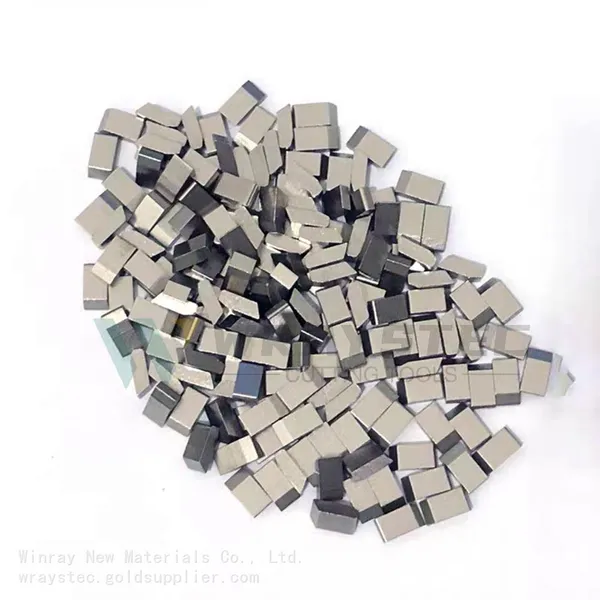 Read More
 -
Why is it impossible to simultaneously achieve both high hardness and high toughness in cemented car
July 2, 2026In the machining industry, when selecting cemented carbide cutting tools, one often faces a difficult choice: hardness or toughnes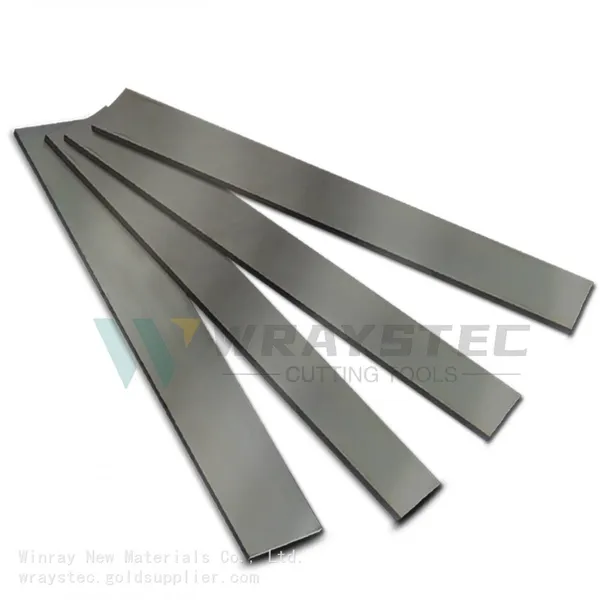 Read More

Contact Us
Recommended Products
-
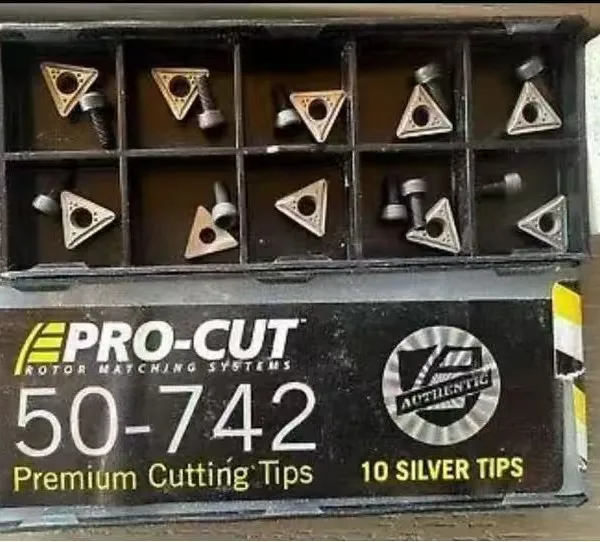
 Wear Resistance CB50742 Carbide Bits for Brake Lath Machine TPGX110308 Hi10 for Cast IronUS$ 1.05 - 2MOQ: 10 Blades
 -
Wear-resistant Cemented Carbide Stamping ComponentsNegotiableMOQ: 1 Unit
-
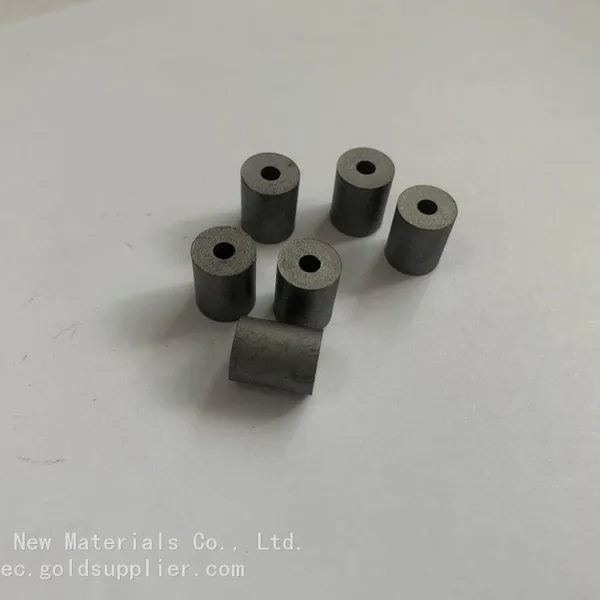
YG11 Tungsten Carbide Heavy-Duty Wear RingNegotiableMOQ: 1 Unit
-
C2 Ammco Positive Rake Carbide Bits for RELS Model 45016 R08/10/12 RadiusUS$ 2.5 - 3MOQ: 50 Blades
-
C2 Ammco Positive Rake Carbide Bits for RELS Model Brake Lathe 45016 RELS Carbide Bits RelacementsUS$ 2.5 - 3MOQ: 50 Blades
-
Holder Number 45703 Inserts Number CB90488 Replaces Accuturn Carbide Bit for Hard SteelUS$ 1.35 - 2.82MOQ: 10 Blades
-
CB90488 Replaces Accuturn Part Number 433796 Fits Accuturn Tool Holders: 433763, 433764, 434056, 434057, 434286, 433779US$ 1.35 - 2.82MOQ: 10 Blades
-
CB90488 Positive Rake Carbide Inserts for Accuturn Models 8911, 8922, 8944, 8989, 8991, 8993US$ 1.35 - 2.82MOQ: 10 Blades
-
Ammco 6914 Insert Can be Used on 6 Edges With Ammco Twin Cutter (6950)/ RELS Twin Cutter (40095) /negative Rake Tool Holder Set # 45701US$ 1.05 - 2MOQ: 10 Blades
-
Negative Rake Carbide Inserts For Ammco Models 4000, 4100, 7000 Lathes CB6914/6918-10US$ 1.05 - 2MOQ: 10 Blades
-
Positive Rake Carbide Bits for Ammco Model 2000 Brake Lathe CB6914-10US$ 1.05 - 2MOQ: 10 Blades
-
Carbide Milling Tools HNGX0906 45 Degree Double Side Heavy Duty MachiningNegotiableMOQ: 10 Blades
-
Carbide Chuck Jaw Inserts for Pipe Chuck Clamp MechanicalNegotiableMOQ: 100 Blades
-
Modern Design High Precision Serdi Carbide Pilot for Guide Cutting MachineNegotiableMOQ: 10 Blades
-
Valve Seat Boring Machine Carbide Incisors Tungsten Carbide Valve Seat InsertsNegotiableMOQ: 10 Blades
-
ISO Standard and Best Price Carbide Tips Ss10 Carbide Stone Cutting TipsNegotiableMOQ: 20 Kilograms
-
Tungsten Carbide Composite Rods Welding Composite Rods High Wear Resistance for AgriculturalNegotiableMOQ: 10 Kilograms
-
Tungsten Carbide Composite Rod YD Rods YD-5 60/40 With Nickel Matrix AlloyNegotiableMOQ: 10 Kilograms
-
U-shape 40*4.4/4.7/5.0*15mm Diameter Granite Marble Stone Cutting Disc Saw Blade SegmentsNegotiableMOQ: 1 Blade
-
Diamond Saw Blades for Marble Block CuttingNegotiableMOQ: 1 Blade