 Business License

Why is it impossible to simultaneously achieve both high hardness and high toughness in cemented car
In the machining industry, when selecting cemented carbide cutting tools, one often faces a difficult choice: hardness or toughness?
This is a frequently discussed issue, but few people have truly explained the underlying mechanisms. Today, from the perspective of materials science, we'll discuss the root causes of this "contradiction" and the breakthrough directions that researchers have found in recent years.
1.Why are hardness and toughness inherently "opposing" each other?
To understand this contradiction, we must first understand the "skeleton" and "flesh" of cemented carbide—the hard phase and the binder phase.
Hard alloys are typically composed of tungsten carbide (WC) as the hard phase and cobalt (Co) as the metallic binder phase. WC provides extremely high hardness (HV can reach 2000-2500), which is the "main force" for resisting deformation; while the Co phase absorbs energy and blunts cracks through plastic deformation, which is the source of toughness.
The problem lies in the trade-off between these two factors:
When pursuing higher hardness, two common methods are: refining the WC grains or reducing the Co content. Refining the grain size from 2μm to 0.5μm can increase the hardness by 25%-30%; reducing the Co content from 12% to 6% can increase the hardness from HV1400 to HV1800. Finer grains result in more grain boundaries; The finer the grains and the more grain boundaries there are, the more complex the crack propagation path becomes, but the overall deformation capacity of the material decreases; the lower the Co content, the fewer "soft phases" that can buffer stress through plastic deformation, and the more "brittle" the material becomes.
As early as 1999, scholars pointed out that there is a basic rule between the hardness and toughness of WC-Co cemented carbide: the higher the hardness, the lower the fracture toughness. This "mutual exclusion effect" is a recognized bottleneck in the materials science community.
2. "Even a skilled cook can't cook without rice": The ceiling of the traditional approach. Traditionally, in order to find an "acceptable balance" between hardness and toughness, engineers can only constantly adjust the formula: if wear resistance is needed, hardness is added; if impact resistance is needed, hardness is sacrificed by adding Co. This "seesaw-like" trade-off essentially involves manipulating the ratio of hard phase to binder phase.
However, a single regulatory strategy is no longer sufficient to meet the needs of high-end manufacturing. For example, ultra-low cobalt cemented carbide (WC-3Co) has extremely high intrinsic hardness, but the reduction of Co leads to a decrease in the number of phase boundaries, which weakens the material's ability to suppress crack propagation. The mutual repulsion between hardness and toughness becomes the main bottleneck. This is why in some rough machining applications that require withstanding impact, people prefer to use "softer" high-Co grades rather than hard blades—for fear of chipping.
3. How is the scientific research community trying to "break the deadlock"?
Since the traditional approach is no longer viable, materials scientists have begun to break free from the mindset of "adjusting proportions" in recent years and have started to work on the microstructure. Several representative directions:
1. Gradient structure – allowing materials to have “differentiated functions inside and outside”
The idea behind gradient structure cemented carbide is ingenious: the surface and the core have different functions. By enriching the surface (the area where wear occurs) with a hard phase and a low Co content, high hardness can be obtained; by enriching the core (the area that bears the impact) with Co, high toughness can be obtained.
Actual data speaks volumes: surface hardness can reach HV2300-2700, and core fracture toughness can be maintained at K₁c 18-24 MPa·m¹/². This "hard on the outside, tough on the inside" structure has been successfully applied in rock drill bits and coated cutting tool substrates, and is hailed as "the most important innovation in the history of cemented carbide since 1950."
2. Interface Engineering – Strengthening Grain Boundaries
The Beijing University of Technology team introduced nitrogen-containing grain growth inhibitor Cr₂(C,N) into ultra-low Co cemented carbide. Utilizing the solid solution strengthening and interface optimization effects of nitrogen, they significantly improved the bonding strength between WC/WC grain boundaries and WC/Co phase boundaries. The results are remarkable: the sample with 0.5% Cr₂(C,N) added has a hardness of HV2143, a fracture toughness of 9.7 MPa·m¹/², and a transverse fracture strength of 3031 MPa, far exceeding the reported values of similar low-cobalt alloys. Their approach effectively reinforces "fragile grain boundaries," making it much harder for cracks to propagate along them.
3. Hard phase embedded with tough particles – allowing “tendons” to grow from the “bones”
A more cutting-edge approach is to embed nanoscale cobalt-rich particles inside WC grains. These nanoparticles strengthen WC grains by pinning dislocations (impeding dislocation movement) and alleviate local stress concentration through their own plastic deformation, essentially embedding "micro-buffers" inside the hard phase. Experimental data show that WC-6Co cemented carbide with this structure has a Vickers hardness of HV1920, a fracture toughness of 11.2 MPa·m¹/², and a bending strength of 3951 MPa. The traditional mutually exclusive relationship between hardness and toughness is partially "decoupled" here.
4. Practical Implications for Tool Selection While the theory is cutting-edge, back in the workshop, we still face practical trade-offs when selecting tools. Understanding these mechanisms can at least help you make wiser judgments:
If the machining conditions are stable, the cutting is continuous, and the main failure mode is wear—prioritize hardness, and choose fine-grained, low-Co grades.
If there is intermittent cutting, impact load, or easy chipping, prioritize toughness, appropriately relax hardness requirements, and select coarse-grained, high-Co grades.
Pay attention to "gradient structure" products - these types of blades are already widely used in fields such as coated substrates, and can balance surface wear resistance and core impact resistance to a certain extent.
As for those cutting-edge synchronous toughening technologies (such as interface engineering and intracrystalline toughening particles), most of them are still in the laboratory or small-batch verification stage. However, it is expected that in the next 5-10 years, as these technologies are industrialized, the dilemma of choosing between "hardness and toughness" when selecting a knife may become less and less common.
Recently Posted
-
Cast Tungsten Carbide Welding Rods: The Ultimate Solution for Extreme Wear Resistance
June 25, 2026In industries where equipment faces relentless abrasion, impact, and high-temperature stress, the choice of wear protection materi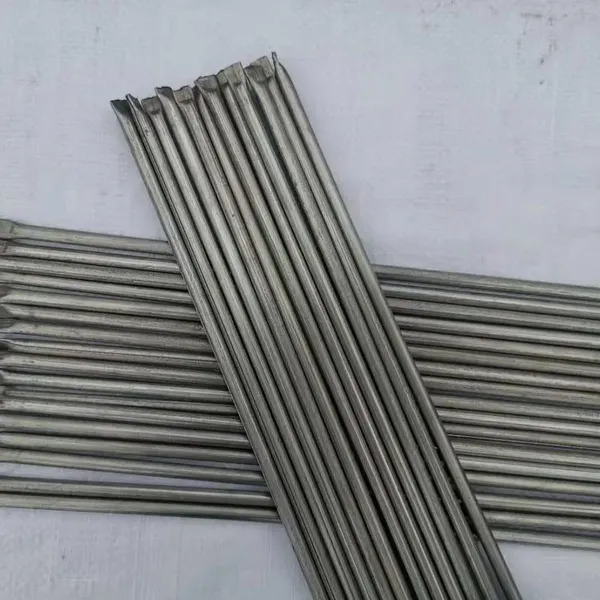 Read More
 -
How to Choose the Right Cemented Carbide Drill Bit for High-Performance Machining
June 3, 2026In precision machining, the drill bit is often the unsung hero. Among all types of drilling tools, cemented carbide drill bits sta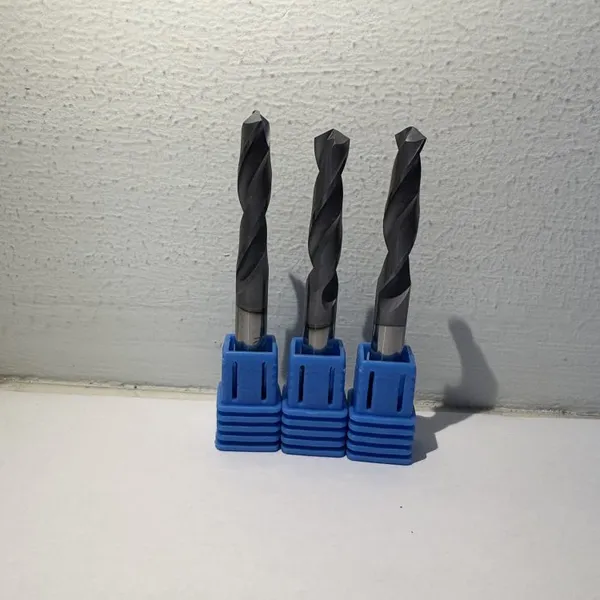 Read More
 -
Solid Carbide End Mill for HRC58 Hardened Steel – D8*20*8*60L-4F with Bronze Coating
June 2, 2026Machining hardened steel (up to HRC58) presents unique challenges: high cutting forces, heat generation, and rapid tool wear. With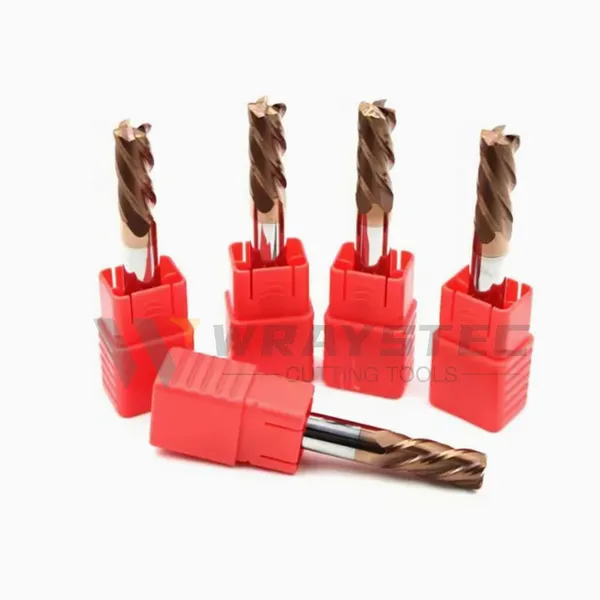 Read More
 -
Why YG6 Tungsten Carbide Nozzles Are the Industry Standard for Abrasive Resistance
May 28, 2026In industries ranging from sandblasting to water jet cutting, the nozzle is one of the most critical yet overlooked components. A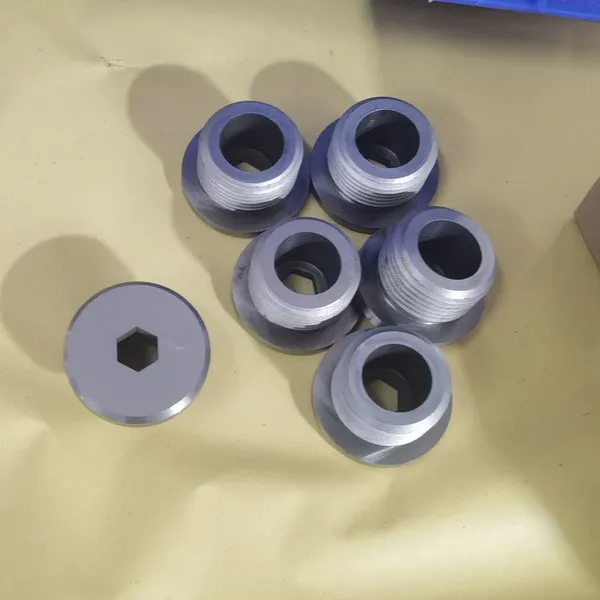 Read More

Contact Us
Recommended Products
-
 C2 Ammco Positive Rake Carbide Bits for RELS Model 45016 R08/10/12 RadiusUS$ 2.5 - 3MOQ: 50 Blades
 -
C2 Ammco Positive Rake Carbide Bits for RELS Model Brake Lathe 45016 RELS Carbide Bits RelacementsUS$ 2.5 - 3MOQ: 50 Blades
-
Holder Number 45703 Inserts Number CB90488 Replaces Accuturn Carbide Bit for Hard SteelUS$ 1.35 - 2.82MOQ: 10 Blades
-
CB90488 Replaces Accuturn Part Number 433796 Fits Accuturn Tool Holders: 433763, 433764, 434056, 434057, 434286, 433779US$ 1.35 - 2.82MOQ: 10 Blades
-
CB90488 Positive Rake Carbide Inserts for Accuturn Models 8911, 8922, 8944, 8989, 8991, 8993US$ 1.35 - 2.82MOQ: 10 Blades
-
Ammco 6914 Insert Can be Used on 6 Edges With Ammco Twin Cutter (6950)/ RELS Twin Cutter (40095) /negative Rake Tool Holder Set # 45701US$ 1.05 - 2MOQ: 10 Blades
-
Negative Rake Carbide Inserts For Ammco Models 4000, 4100, 7000 Lathes CB6914/6918-10US$ 1.05 - 2MOQ: 10 Blades
-
Positive Rake Carbide Bits for Ammco Model 2000 Brake Lathe CB6914-10US$ 1.05 - 2MOQ: 10 Blades
-
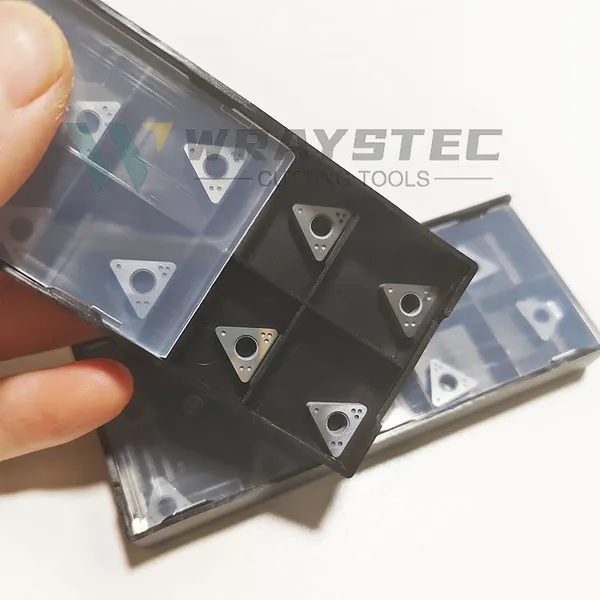
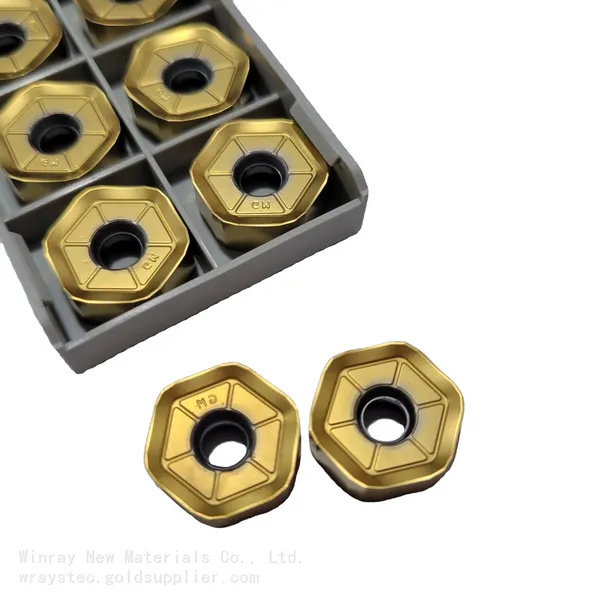
Carbide Milling Tools HNGX0906 45 Degree Double Side Heavy Duty MachiningNegotiableMOQ: 10 Blades
-
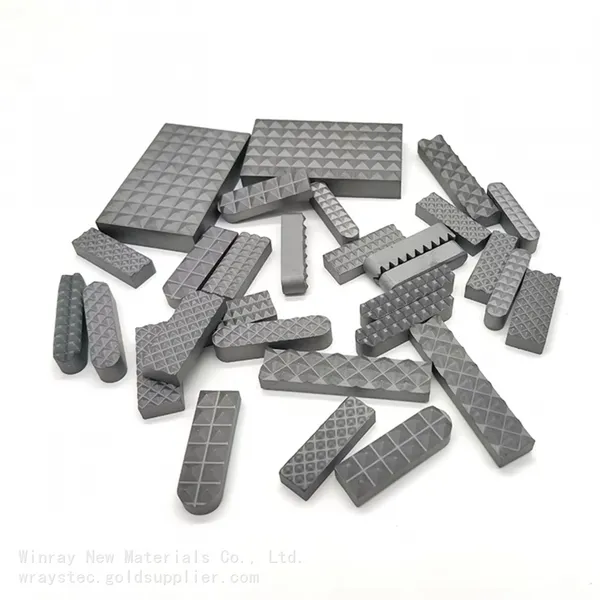
Carbide Chuck Jaw Inserts for Pipe Chuck Clamp MechanicalNegotiableMOQ: 100 Blades
-
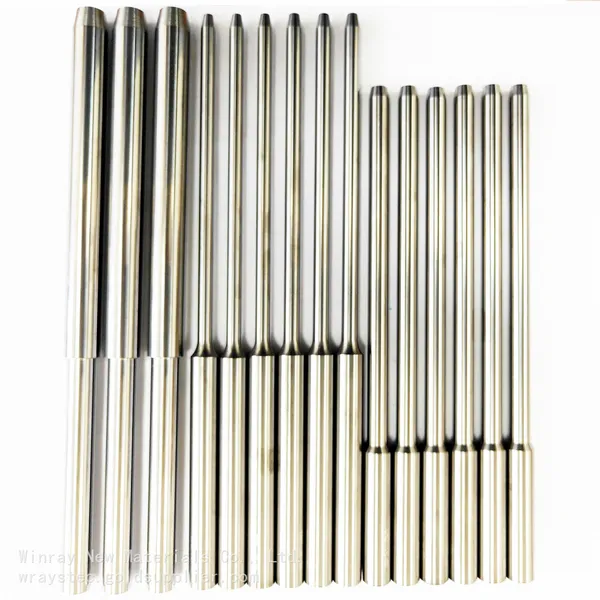
Modern Design High Precision Serdi Carbide Pilot for Guide Cutting MachineNegotiableMOQ: 10 Blades
-
Valve Seat Boring Machine Carbide Incisors Tungsten Carbide Valve Seat InsertsNegotiableMOQ: 10 Blades
-
ISO Standard and Best Price Carbide Tips Ss10 Carbide Stone Cutting TipsNegotiableMOQ: 20 Kilograms
-
Tungsten Carbide Composite Rods Welding Composite Rods High Wear Resistance for AgriculturalNegotiableMOQ: 10 Kilograms
-
Tungsten Carbide Composite Rod YD Rods YD-5 60/40 With Nickel Matrix AlloyNegotiableMOQ: 10 Kilograms
-
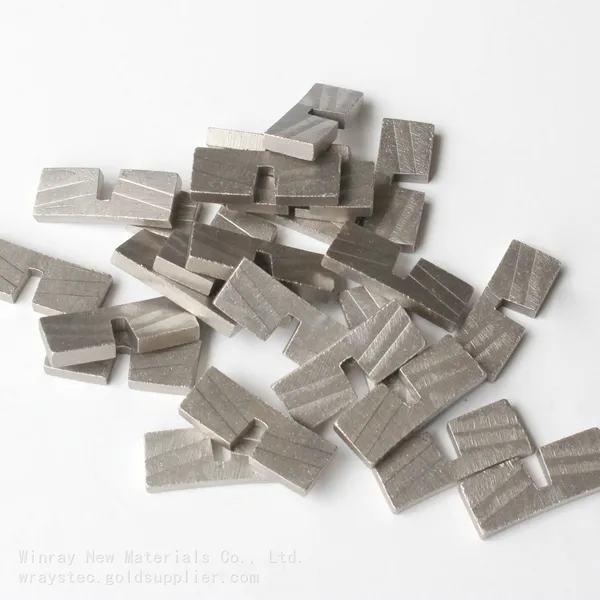
U-shape 40*4.4/4.7/5.0*15mm Diameter Granite Marble Stone Cutting Disc Saw Blade SegmentsNegotiableMOQ: 1 Blade
-
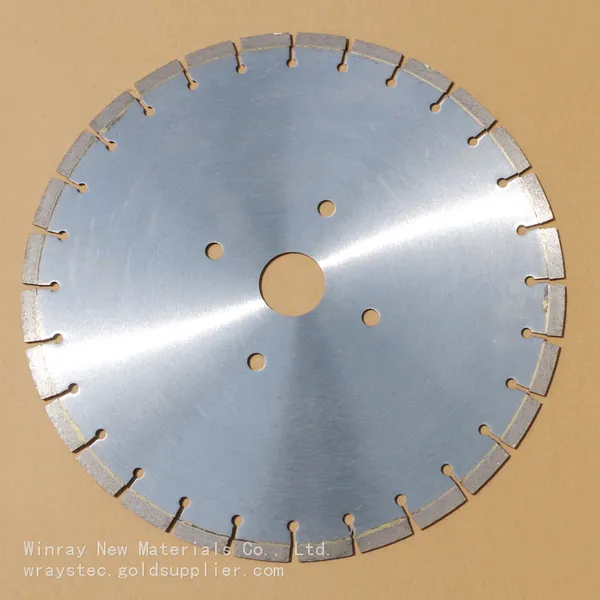
Diamond Saw Blades for Marble Block CuttingNegotiableMOQ: 1 Blade
-
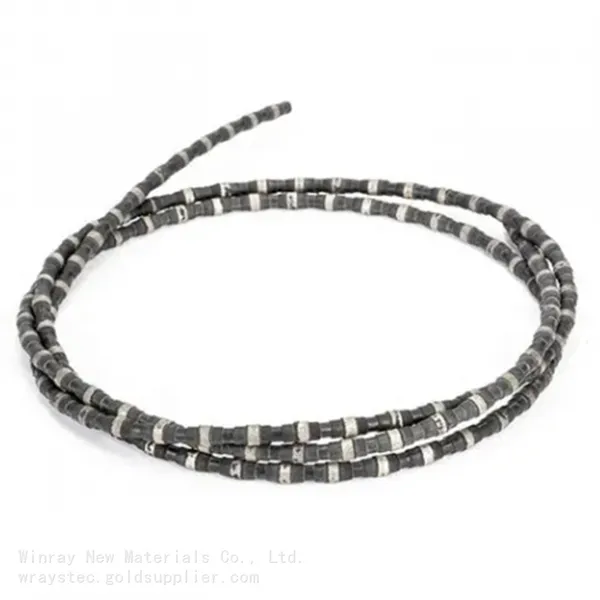
Diamond Wire Rope for Mining OperationsNegotiableMOQ: 1 Combo
-
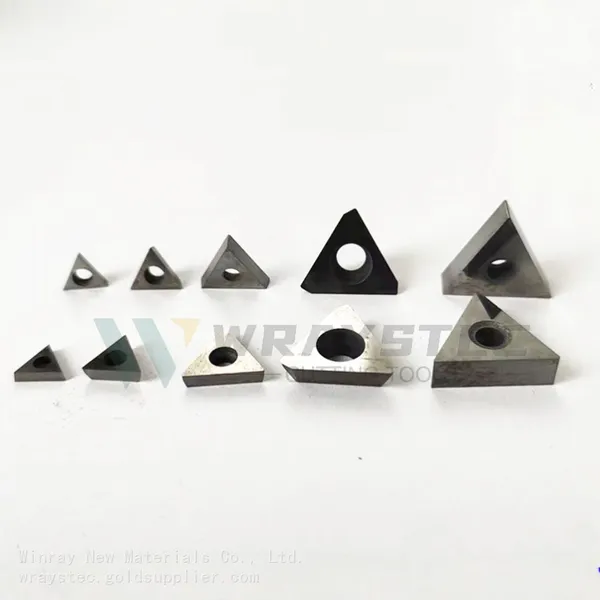
100% Carbide Raw Materials of PCD Inserts With High Hardness Carbide Base TNGA16T304/08NegotiableMOQ: 10 Blades
-
TNMG160404/08/12 CNC Cutting Inserts Triangular Shape for Precision Turning of Steel and Stainless Steel WorkpiecesNegotiableMOQ: 10 Blades