 Business License

How to Choose the Right Cemented Carbide Drill Bit for High-Performance Machining
In precision machining, the drill bit is often the unsung hero. Among all types of drilling tools, cemented carbide drill bits stand out for their hardness, heat resistance, and ability to maintain a sharp cutting edge under extreme conditions. But not all carbide drills are created equal. Selecting the right one can mean the difference between efficient, reliable hole making and frequent tool changes, scrap parts, or even machine damage.
Here’s a practical guide to help you choose the right cemented carbide drill bit for your application.
1. Understand Your Workpiece Material
The first and most important factor is what you’re drilling.
Steel and stainless steel: Look for drills with good toughness and heat resistance. A TiAlN or AlCrN coating helps manage high temperatures.
Cast iron: Abrasive but relatively brittle. A sharp edge and a smooth coating (like TiN or uncoated micro-grain carbide) work well.
Aluminum and non-ferrous metals: These materials are sticky and can cause built-up edge. Polished flutes, sharp edges, and a ZrN or diamond-like coating are ideal.
Superalloys (Inconel, titanium): Extremely heat-resistant and work-hardening. You need a drill with high thermal stability, variable helix geometry, and a thick, heat-resistant coating like TiAlSiN.
2. Choose Between Solid Carbide and Carbide-Tipped
Solid carbide drills: Best for high-volume, high-precision applications. They offer the highest rigidity and wear resistance but are more brittle and expensive.
Carbide-tipped drills: The body is steel, with only the cutting tip made of carbide. They are tougher and more forgiving in unstable setups or older machines, though less precise at high speeds.
For most demanding modern CNC applications, solid carbide is the preferred choice when hole tolerance and tool life are critical.
3. Look at the Coating
Coatings are not just for looks. They reduce friction, increase heat resistance, and prevent material adhesion.
Uncoated: Low-cost, but only for soft, non-abrasive materials.
TiN (Titanium Nitride): General-purpose, increases hardness and reduces friction.
TiCN (Titanium Carbonitride): Harder and tougher than TiN, good for abrasive materials.
TiAlN (Titanium Aluminum Nitride) or AlTiN: Excellent for high temperatures; forms an aluminum oxide layer during cutting. Ideal for steels and superalloys.
DLC (Diamond-Like Carbon): Great for aluminum and plastics to prevent built-up edge.
4. Consider Drill Geometry
Modern cemented carbide drills often feature complex geometries:
Point angle: 140° is common for hard materials; 118° for softer, ductile materials.
Helix angle: Standard 30° for most materials; lower for short-chipping materials (like brass), higher for long-chipping materials (like aluminum).
Self-centering point (e.g., split point): Reduces walking and thrust force. Always recommended for CNC applications.
5. Match the Tool to Your Machine and Setup
A rigid, high-speed spindle with through-spindle coolant (TSC) allows you to take full advantage of a carbide drill. Without TSC, chip evacuation becomes difficult in deep holes. If your machine has limited rigidity or high runout, a high-performance carbide drill may chatter and fail prematurely. In such cases, a carbide-tipped or even HSS-Co drill might be a safer choice.
6. Hole Depth and Tolerances
Shallow holes (up to 3× diameter): Most standard carbide drills work well.
Deep holes (5× to 12× diameter): You’ll need a drill with internal coolant holes, optimized flute design, and possibly a parabolic flute shape for better chip evacuation.
High tolerance holes (H7 or better): Consider a carbide drill designed for reaming-quality finish, or plan for a separate reaming operation.
7. Cost vs. Performance
The most expensive drill is not always the best choice for every job, but the cheapest often ends up costing more in downtime and scrap. Evaluate total cost per hole: tool life, cycle time, and part quality. A high-quality cemented carbide drill may cost three times as much but last ten times longer and run twice as fast.
Final Thoughts
Choosing the right cemented carbide drill bit is a balancing act. You need to match the tool’s material, coating, and geometry to your workpiece, machine, and production goals. When you get it right, the payoff is clear: consistent hole quality, predictable tool life, and lower overall machining costs.
Recently Posted
-
Solid Carbide End Mill for HRC58 Hardened Steel – D8*20*8*60L-4F with Bronze Coating
June 2, 2026Machining hardened steel (up to HRC58) presents unique challenges: high cutting forces, heat generation, and rapid tool wear. With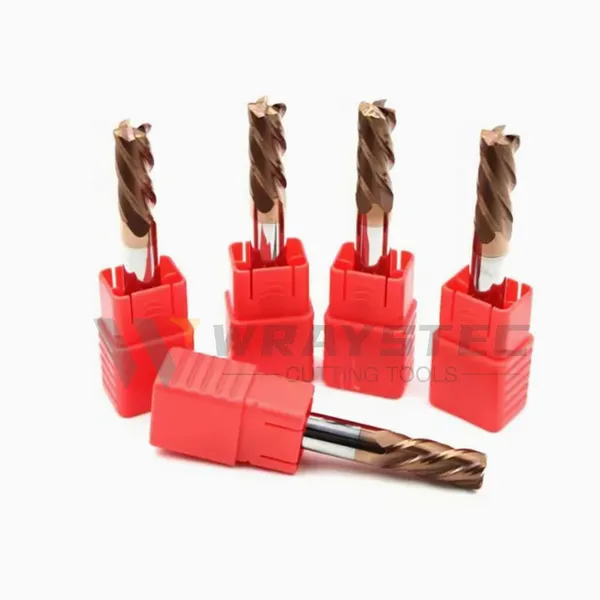 Read More
 -
Why YG6 Tungsten Carbide Nozzles Are the Industry Standard for Abrasive Resistance
May 28, 2026In industries ranging from sandblasting to water jet cutting, the nozzle is one of the most critical yet overlooked components. A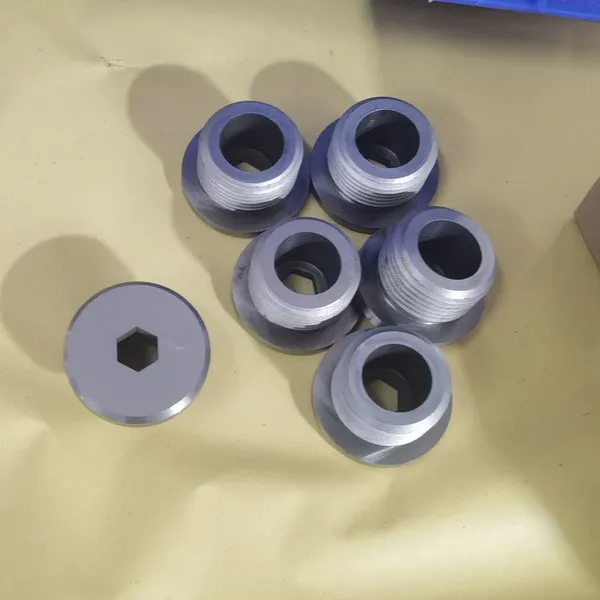 Read More
 -
TCGW0902 Carbide Substrate for PCD Inserts: Structure, Performance, and Application Advantages
May 25, 2026In the world of precision machining, the performance of a PCD (Polycrystalline Diamond) cutting tool depends not only on the diamo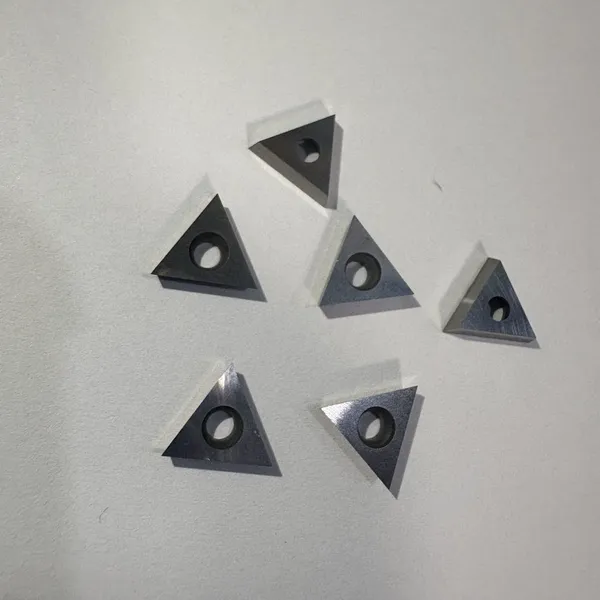 Read More
 -
Carbide Peelers: The Ultimate Tool for High-Speed Wire & Rod Scaling
May 21, 2026In the world of metal processing, surface defects can ruin an entire batch. Whether you are dealing with wire, bar, or coiled rod,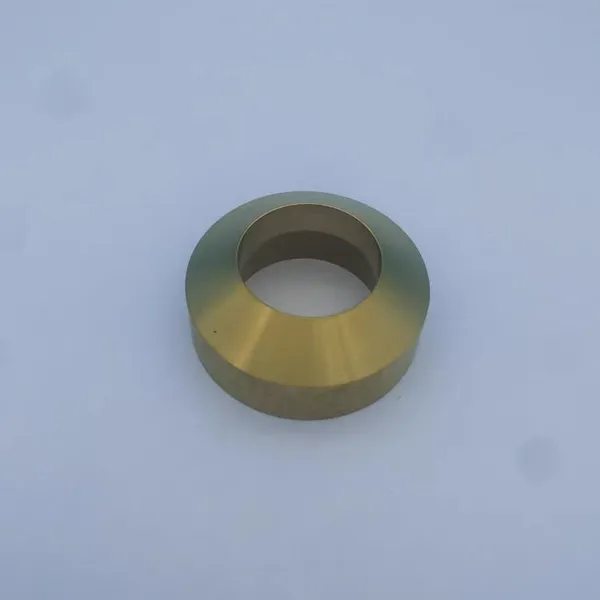 Read More

Contact Us
Recommended Products
-
 C2 Ammco Positive Rake Carbide Bits for RELS Model 45016 R08/10/12 RadiusUS$ 2.5 - 3MOQ: 50 Blades
 -
C2 Ammco Positive Rake Carbide Bits for RELS Model Brake Lathe 45016 RELS Carbide Bits RelacementsUS$ 2.5 - 3MOQ: 50 Blades
-
Holder Number 45703 Inserts Number CB90488 Replaces Accuturn Carbide Bit for Hard SteelUS$ 1.35 - 2.82MOQ: 10 Blades
-
CB90488 Replaces Accuturn Part Number 433796 Fits Accuturn Tool Holders: 433763, 433764, 434056, 434057, 434286, 433779US$ 1.35 - 2.82MOQ: 10 Blades
-
CB90488 Positive Rake Carbide Inserts for Accuturn Models 8911, 8922, 8944, 8989, 8991, 8993US$ 1.35 - 2.82MOQ: 10 Blades
-
Ammco 6914 Insert Can be Used on 6 Edges With Ammco Twin Cutter (6950)/ RELS Twin Cutter (40095) /negative Rake Tool Holder Set # 45701US$ 1.05 - 2MOQ: 10 Blades
-
Negative Rake Carbide Inserts For Ammco Models 4000, 4100, 7000 Lathes CB6914/6918-10US$ 1.05 - 2MOQ: 10 Blades
-
Positive Rake Carbide Bits for Ammco Model 2000 Brake Lathe CB6914-10US$ 1.05 - 2MOQ: 10 Blades
-
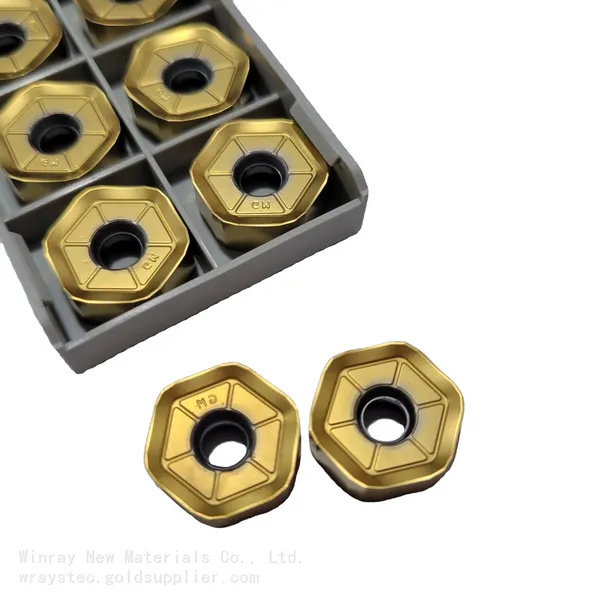
Carbide Milling Tools HNGX0906 45 Degree Double Side Heavy Duty MachiningNegotiableMOQ: 10 Blades
-
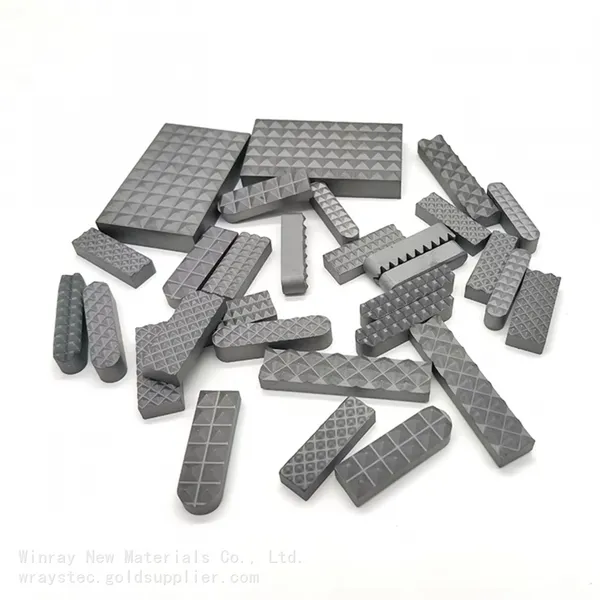
Carbide Chuck Jaw Inserts for Pipe Chuck Clamp MechanicalNegotiableMOQ: 100 Blades
-
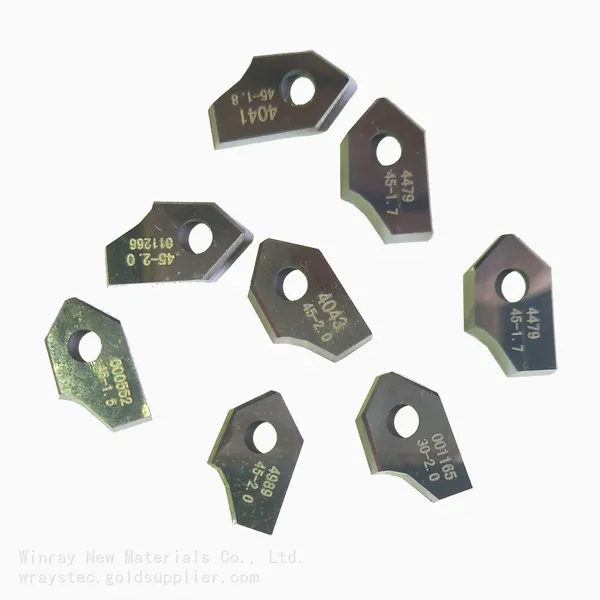
Modern Design High Precision Serdi Carbide Pilot for Guide Cutting MachineNegotiableMOQ: 10 Blades
-
Valve Seat Boring Machine Carbide Incisors Tungsten Carbide Valve Seat InsertsNegotiableMOQ: 10 Blades
-
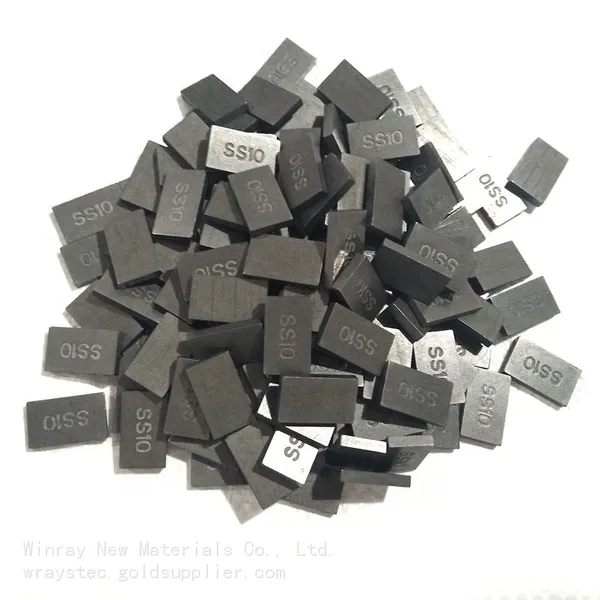
ISO Standard and Best Price Carbide Tips Ss10 Carbide Stone Cutting TipsNegotiableMOQ: 20 Kilograms
-
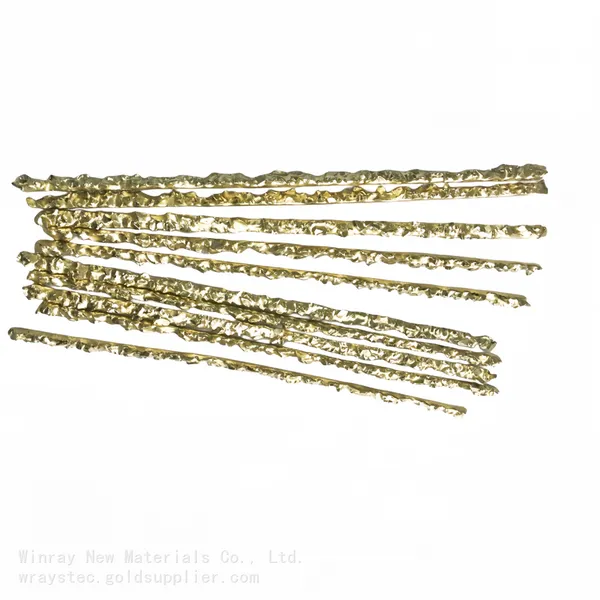
Tungsten Carbide Composite Rods Welding Composite Rods High Wear Resistance for AgriculturalNegotiableMOQ: 10 Kilograms
-
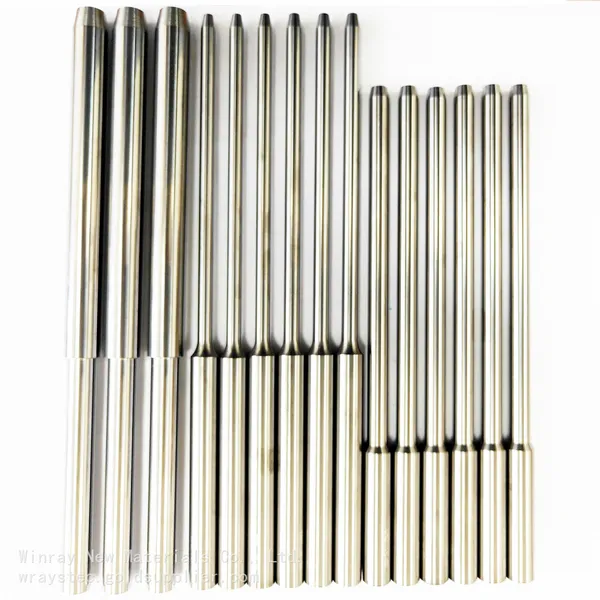
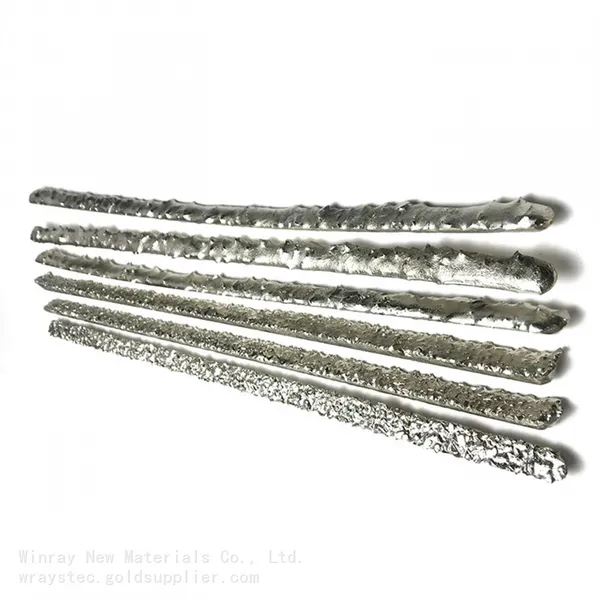
Tungsten Carbide Composite Rod YD Rods YD-5 60/40 With Nickel Matrix AlloyNegotiableMOQ: 10 Kilograms
-
U-shape 40*4.4/4.7/5.0*15mm Diameter Granite Marble Stone Cutting Disc Saw Blade SegmentsNegotiableMOQ: 1 Blade
-
Diamond Saw Blades for Marble Block CuttingNegotiableMOQ: 1 Blade
-
Diamond Wire Rope for Mining OperationsNegotiableMOQ: 1 Combo
-
100% Carbide Raw Materials of PCD Inserts With High Hardness Carbide Base TNGA16T304/08NegotiableMOQ: 10 Blades
-
TNMG160404/08/12 CNC Cutting Inserts Triangular Shape for Precision Turning of Steel and Stainless Steel WorkpiecesNegotiableMOQ: 10 Blades