 Business License

Carbide Peelers: The Ultimate Tool for High-Speed Wire & Rod Scaling
In the world of metal processing, surface defects can ruin an entire batch. Whether you are dealing with wire, bar, or coiled rod, removing scale, cracks, and decarburized layers requires a tool that combines brutal strength with surgical precision.
Enter the Carbide Peeler
What is a Carbide Peeler?
Unlike traditional high-speed steel (HSS) blades, a carbide peeler is made from cemented tungsten carbide. This hard alloy material offers exceptional wear resistance and maintains a sharp cutting edge even at high temperatures.
These tools are mounted on peeling machines to strip the outer layer of metal rods at speeds exceeding 2-3 m/s.
Why Upgrade to Hard Alloy?
If you are still using steel blades, you are likely losing money due to downtime. Here is why carbide is superior:
1. 30x Longer Lifespan
Carbide peeler blades last significantly longer than standard tool steel. While a steel blade might need changing every few hundred meters, a carbide peeler can process thousands of meters without losing tolerance.
2. Superior Surface Finish (Ra ≤ 0.8µm)
Because hard alloy maintains its geometric shape, your finished rod will have a mirror-like finish. This eliminates secondary grinding processes.
3. High-Speed Compatibility
Modern peeling lines run hot. Carbide retains its "red hardness," allowing faster feed rates without thermal deformation.
Cost Analysis: The ROI Factor
Many operators hesitate due to the higher upfront cost. However, the total cost of ownership is much lower:
Less Downtime: Fewer tool changes.
Consistent Quality: No mid-batch diameter drift.
Reduced Scrap: Cleaner edges prevent chipping.
Best Practices for Use
To maximize your carbide peeler's life:
Alignment: Ensure the tool holder is perfectly concentric to the rod axis.
Coolant: Use high-pressure coolant to flush chips away.
Edge Prep: Slight negative land angles prevent micro-chipping on hard alloys.
Conclusion
For high-volume steel mills and precision metal manufacturers, the hard alloy peeler is not a luxury—it is a necessity. By upgrading to tungsten carbide tooling, you protect your product quality and your bottom line.
Need a specific grade for stainless steel or bearing steel? Contact our technical team for a grade selection guide.
Recently Posted
-
Beyond Hardness: Why Cemented Carbide Wear Parts Are Your Best Defense Against Unplanned Downtime
August 28, 2026In the world of heavy industry, maintenance planners lose sleep over one thing: unplanned stoppage. When a wear part fails, the cl Read More
 -
CB50742: The Cast Iron Brake Disc Repair Insert You Need to Know About
August 28, 2026If you work in automotive machining or heavy equipment maintenance, you know that brake disc repair is one of the toughest jobs in Read More
 -
Hardmetal (Cemented Carbide) Slips and Chucks
July 29, 2026In precision machining and workholding applications, hardmetal—also known as cemented carbide or tungsten carbide—plays a critical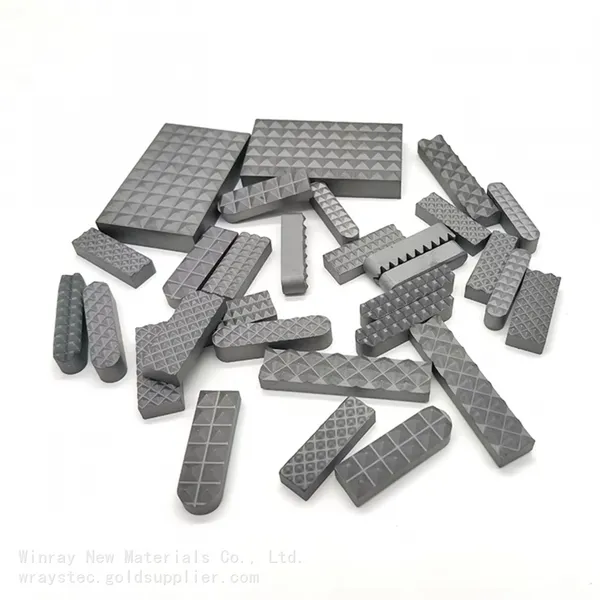 Read More
 -
Carbide Tipped Saw Blades: Unlocking Superior Cutting Performance Across Industries
July 16, 2026In the modern industrial ecosystem, precision cutting is non-negotiable. Whether you are processing engineered wood for high-end f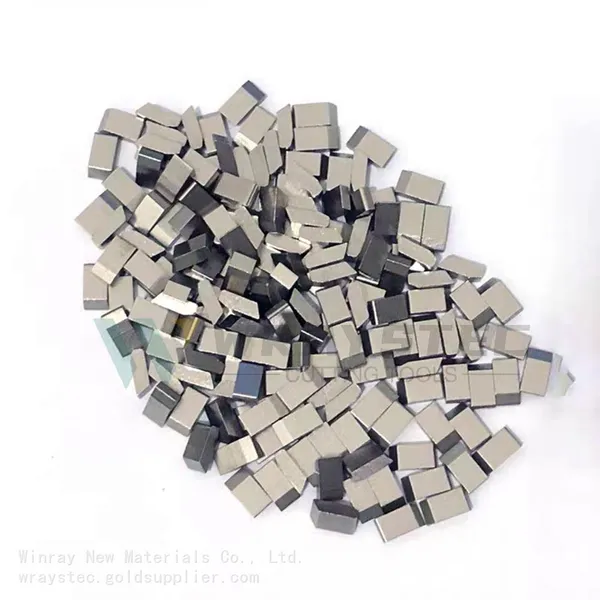 Read More

Contact Us
Recommended Products
-
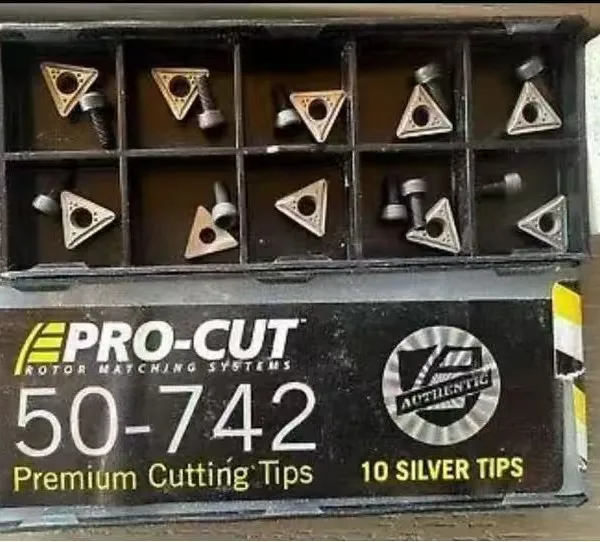
 Wear Resistance CB50742 Carbide Bits for Brake Lath Machine TPGX110308 Hi10 for Cast IronUS$ 1.05 - 2MOQ: 10 Blades
 -
Wear-resistant Cemented Carbide Stamping ComponentsNegotiableMOQ: 1 Unit
-
YG11 Tungsten Carbide Heavy-Duty Wear RingNegotiableMOQ: 1 Unit
-
C2 Ammco Positive Rake Carbide Bits for RELS Model 45016 R08/10/12 RadiusUS$ 2.5 - 3MOQ: 50 Blades
-
C2 Ammco Positive Rake Carbide Bits for RELS Model Brake Lathe 45016 RELS Carbide Bits RelacementsUS$ 2.5 - 3MOQ: 50 Blades
-
Holder Number 45703 Inserts Number CB90488 Replaces Accuturn Carbide Bit for Hard SteelUS$ 1.35 - 2.82MOQ: 10 Blades
-
CB90488 Replaces Accuturn Part Number 433796 Fits Accuturn Tool Holders: 433763, 433764, 434056, 434057, 434286, 433779US$ 1.35 - 2.82MOQ: 10 Blades
-
CB90488 Positive Rake Carbide Inserts for Accuturn Models 8911, 8922, 8944, 8989, 8991, 8993US$ 1.35 - 2.82MOQ: 10 Blades
-
Ammco 6914 Insert Can be Used on 6 Edges With Ammco Twin Cutter (6950)/ RELS Twin Cutter (40095) /negative Rake Tool Holder Set # 45701US$ 1.05 - 2MOQ: 10 Blades
-
Negative Rake Carbide Inserts For Ammco Models 4000, 4100, 7000 Lathes CB6914/6918-10US$ 1.05 - 2MOQ: 10 Blades
-
Positive Rake Carbide Bits for Ammco Model 2000 Brake Lathe CB6914-10US$ 1.05 - 2MOQ: 10 Blades
-
Carbide Milling Tools HNGX0906 45 Degree Double Side Heavy Duty MachiningNegotiableMOQ: 10 Blades
-
Carbide Chuck Jaw Inserts for Pipe Chuck Clamp MechanicalNegotiableMOQ: 100 Blades
-
Modern Design High Precision Serdi Carbide Pilot for Guide Cutting MachineNegotiableMOQ: 10 Blades
-
Valve Seat Boring Machine Carbide Incisors Tungsten Carbide Valve Seat InsertsNegotiableMOQ: 10 Blades
-
ISO Standard and Best Price Carbide Tips Ss10 Carbide Stone Cutting TipsNegotiableMOQ: 20 Kilograms
-
Tungsten Carbide Composite Rods Welding Composite Rods High Wear Resistance for AgriculturalNegotiableMOQ: 10 Kilograms
-
Tungsten Carbide Composite Rod YD Rods YD-5 60/40 With Nickel Matrix AlloyNegotiableMOQ: 10 Kilograms
-
U-shape 40*4.4/4.7/5.0*15mm Diameter Granite Marble Stone Cutting Disc Saw Blade SegmentsNegotiableMOQ: 1 Blade
-
Diamond Saw Blades for Marble Block CuttingNegotiableMOQ: 1 Blade