 Business License

Carbide Tipped Saw Blades: Unlocking Superior Cutting Performance Across Industries
In the modern industrial ecosystem, precision cutting is non-negotiable. Whether you are processing engineered wood for high-end furniture, slicing non-ferrous metals for automotive parts, or trimming composite materials for aerospace components, the quality of your finished product hinges on one critical component—the Carbide Tipped Saw Blade.
This guide delves deep into the technical characteristics that define premium saw blades and maps out exactly which blade fits which application, empowering you to make procurement decisions that boost throughput and slash operating costs.
What Defines a High-Performance Carbide Tipped Saw Blade?
A saw blade is far more than a steel disc with sharp edges. It is a sophisticated composite tool engineered for extreme durability. The magic happens at the tip, where Cemented Carbide (typically the Tungsten-Cobalt or YG series) is brazed onto a high-elasticity steel body (often 65Mn spring steel).
The Core Characteristics (Features) that separate premium blades from standard ones include:
Exceptional Hot Hardness: At high rotational speeds (often exceeding 6,000 RPM), friction generates intense heat. Premium carbide tips retain their hardness even at temperatures up to 800°C, ensuring the edge doesn't soften during prolonged runs.
Superior Bending Strength (Transverse Rupture Strength): This measures the alloy's ability to withstand impact shock. While entry-level blades hover around 1,800 MPa, top-tier industrial blades boast TRS ratings of 2,100 to 2,500 MPa. This high toughness prevents micro-cracking and "chipping" when the blade encounters hard knots in wood or impurities in recycled materials.
Optimized Tooth Geometry: The shape of the tooth dictates the cut quality.
Alternate Top Bevel (ATB): Features teeth that alternately lean left and right. This creates a shearing action that produces a smooth, splinter-free finish, ideal for veneers and melamine.
Triple Chip Grind (TCG): Combines a flat raker tooth with a high trapezoidal tooth. This design distributes the cutting load, generating fine dust rather than chips, which is essential for dense materials like solid surface countertops and fiber-cement boards.
Flat Top (FT): Designed purely for aggressive ripping and grooving, providing maximum material removal rates.
Precision Brazing Technology: The bond between the carbide tip and the steel body must be flawless. High-end manufacturers use vacuum brazing or induction soldering to ensure the weld seam is uniform and thin, preventing tip detachment under heavy lateral pressure.
Where Do These Blades Shine? (Extensive Applications)
The versatility of carbide tipped saw blades makes them the undisputed king of the cutting floor. Their application scope is far broader than traditional woodworking.
1. Wood & Panel Processing (The Classic Domain)
This remains the largest market, accounting for roughly 46% of total usage.
Solid Wood & Hardwoods: Uses large-kerf ATB blades with high clearance angles for fast chip evacuation.
Engineered Panels (MDF, Particleboard, Plywood): Requires high-density carbide grades with a negative hook angle to prevent the blade from "grabbing" the material and causing blowouts on the bottom edge.
Laminated Flooring & Veneers: Employs ultra-fine tooth blades (often 80-120 teeth) with micro-grain carbide to maintain a pristine, burr-free surface that requires no secondary sanding.
2. Non-Ferrous Metal Cutting (The Growth Sector)
With the rise of aluminum frames in construction and automotive light-weighting, carbide saws have become the go-to solution for metals like Aluminum, Copper, Brass, and Zinc alloys.
Key Feature: Blades for these applications utilize TCG (Triple Chip Grind) teeth with a specially formulated sub-micro grain carbide to resist the abrasive nature of oxidized metal surfaces, while the wide gullets prevent aluminum dust from adhering (welding) to the tooth.
3. Plastics & Composites
Cutting thermoplastics (like PVC, Acrylic, and Polycarbonate) requires a different approach.
Key Feature: Carbide tips with a high polish finish and a positive rake angle are used to create a "peeling" effect rather than a "scraping" effect. This reduces friction heat, which is the primary cause of melting and re-welding on plastic cut surfaces.
4. Specialty Materials
Rubber & Leather: Utilizes low-tooth-count blades with deep chip pockets to handle the elastic deformation of the material.
Fiberglass & Cement Boards: Employs highly wear-resistant grades (like YG6X) to combat the extreme abrasiveness that would dull standard HSS (High-Speed Steel) blades within minutes.
How to Maximize Blade Life and ROI
Choosing the right blade is step one. Maintaining it is step two. Here are critical insights for procurement and shop-floor managers:
The "0.2mm Rule": Once the carbide edge wears beyond 0.2 mm, thermal loads increase exponentially. Do not wait until the motor struggles; send the blade for professional re-sharpening immediately.
Grinding Precision: Re-sharpening must be performed on CNC automatic grinding machines using D500 mesh diamond wheels. Manual grinding ruins the tooth geometry and alters the tooth height, leading to vibration and poor cuts.
Cleaning: Use a solvent-based cleaner to remove pitch and resin build-up. A clean blade dissipates heat 40% faster than a dirty one.
Why Manufacturers are Switching to Advanced Carbide Grades
The industry is shifting away from generic imported carbide toward customized, domestically engineered grades that offer better cost-performance ratios. Modern blades often incorporate PVD (Physical Vapor Deposition) coatings (like TiAlN or CrN) on the tips. This coating acts as a thermal barrier, reducing the operating temperature at the cutting interface by up to 150°C, which literally doubles the tool life in high-feed applications.
Conclusion
Investing in high-quality carbide tipped saw blades is not a cost; it is an investment in linear cutting accuracy, reduced downtime, and lower energy consumption. To maximize your operational efficiency, align your tooth geometry (TCG for metals, ATB for fine wood, FT for ripping) with your specific substrate and ensure your supplier provides clear data on transverse rupture strength and carbide grain size.
By prioritizing these technical specifications and understanding the distinct application environments, you are not just buying a saw blade—you are engineering a superior production process.
Recently Posted
-
Beyond Hardness: Why Cemented Carbide Wear Parts Are Your Best Defense Against Unplanned Downtime
August 28, 2026In the world of heavy industry, maintenance planners lose sleep over one thing: unplanned stoppage. When a wear part fails, the cl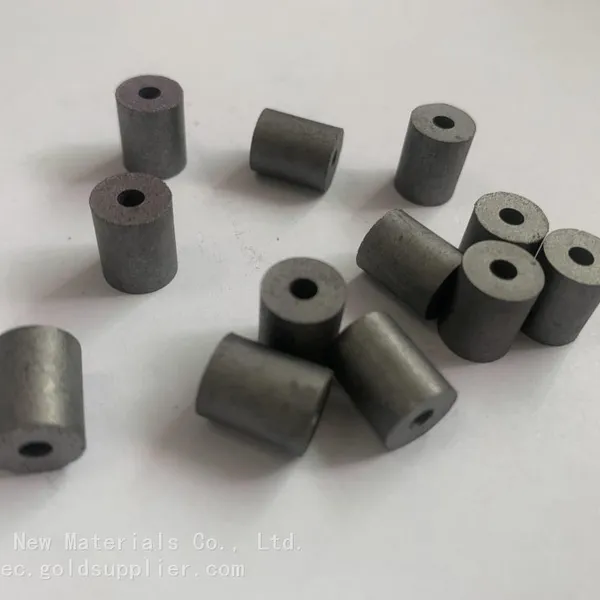 Read More
 -
CB50742: The Cast Iron Brake Disc Repair Insert You Need to Know About
August 28, 2026If you work in automotive machining or heavy equipment maintenance, you know that brake disc repair is one of the toughest jobs in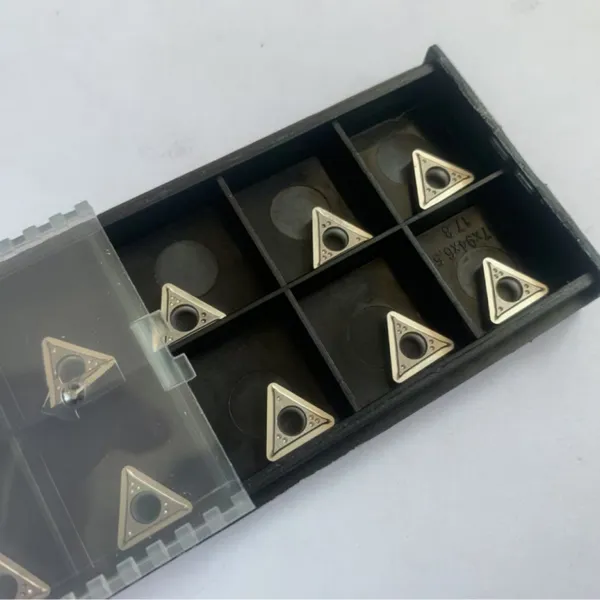 Read More
 -
Hardmetal (Cemented Carbide) Slips and Chucks
July 29, 2026In precision machining and workholding applications, hardmetal—also known as cemented carbide or tungsten carbide—plays a critical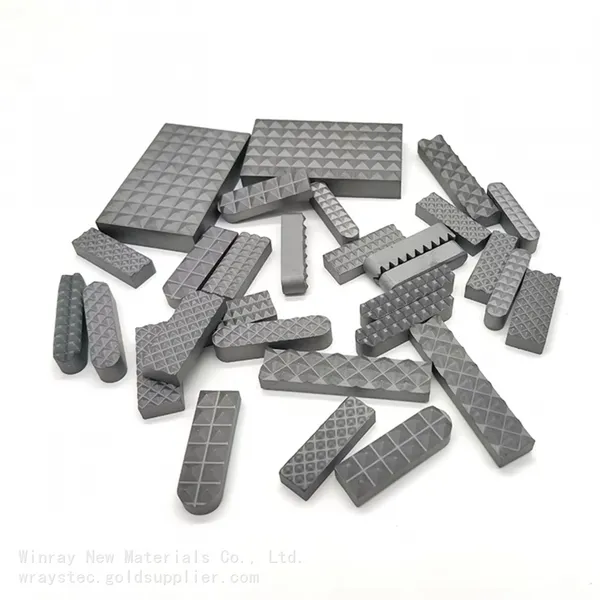 Read More
 -
Why is it impossible to simultaneously achieve both high hardness and high toughness in cemented car
July 2, 2026In the machining industry, when selecting cemented carbide cutting tools, one often faces a difficult choice: hardness or toughnes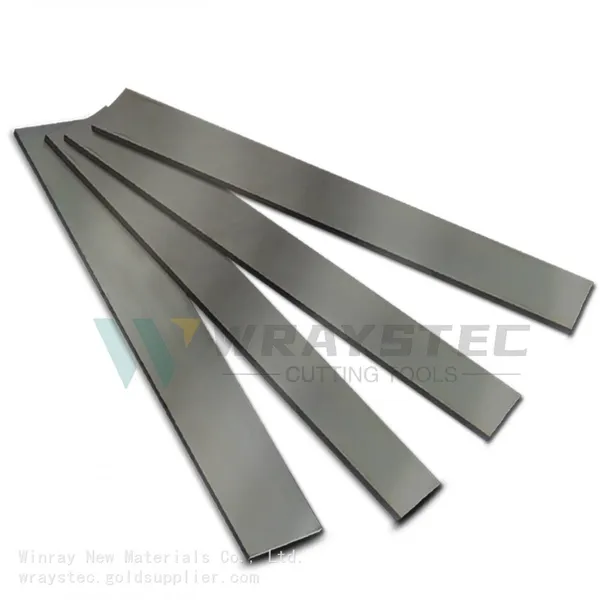 Read More

Contact Us
Recommended Products
-
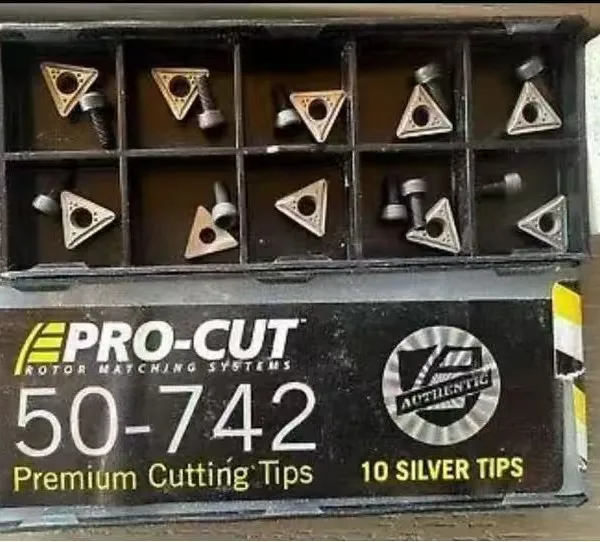
 Wear Resistance CB50742 Carbide Bits for Brake Lath Machine TPGX110308 Hi10 for Cast IronUS$ 1.05 - 2MOQ: 10 Blades
 -
Wear-resistant Cemented Carbide Stamping ComponentsNegotiableMOQ: 1 Unit
-
YG11 Tungsten Carbide Heavy-Duty Wear RingNegotiableMOQ: 1 Unit
-
C2 Ammco Positive Rake Carbide Bits for RELS Model 45016 R08/10/12 RadiusUS$ 2.5 - 3MOQ: 50 Blades
-
C2 Ammco Positive Rake Carbide Bits for RELS Model Brake Lathe 45016 RELS Carbide Bits RelacementsUS$ 2.5 - 3MOQ: 50 Blades
-
Holder Number 45703 Inserts Number CB90488 Replaces Accuturn Carbide Bit for Hard SteelUS$ 1.35 - 2.82MOQ: 10 Blades
-
CB90488 Replaces Accuturn Part Number 433796 Fits Accuturn Tool Holders: 433763, 433764, 434056, 434057, 434286, 433779US$ 1.35 - 2.82MOQ: 10 Blades
-
CB90488 Positive Rake Carbide Inserts for Accuturn Models 8911, 8922, 8944, 8989, 8991, 8993US$ 1.35 - 2.82MOQ: 10 Blades
-
Ammco 6914 Insert Can be Used on 6 Edges With Ammco Twin Cutter (6950)/ RELS Twin Cutter (40095) /negative Rake Tool Holder Set # 45701US$ 1.05 - 2MOQ: 10 Blades
-
Negative Rake Carbide Inserts For Ammco Models 4000, 4100, 7000 Lathes CB6914/6918-10US$ 1.05 - 2MOQ: 10 Blades
-
Positive Rake Carbide Bits for Ammco Model 2000 Brake Lathe CB6914-10US$ 1.05 - 2MOQ: 10 Blades
-
Carbide Milling Tools HNGX0906 45 Degree Double Side Heavy Duty MachiningNegotiableMOQ: 10 Blades
-
Carbide Chuck Jaw Inserts for Pipe Chuck Clamp MechanicalNegotiableMOQ: 100 Blades
-
Modern Design High Precision Serdi Carbide Pilot for Guide Cutting MachineNegotiableMOQ: 10 Blades
-
Valve Seat Boring Machine Carbide Incisors Tungsten Carbide Valve Seat InsertsNegotiableMOQ: 10 Blades
-
ISO Standard and Best Price Carbide Tips Ss10 Carbide Stone Cutting TipsNegotiableMOQ: 20 Kilograms
-
Tungsten Carbide Composite Rods Welding Composite Rods High Wear Resistance for AgriculturalNegotiableMOQ: 10 Kilograms
-
Tungsten Carbide Composite Rod YD Rods YD-5 60/40 With Nickel Matrix AlloyNegotiableMOQ: 10 Kilograms
-
U-shape 40*4.4/4.7/5.0*15mm Diameter Granite Marble Stone Cutting Disc Saw Blade SegmentsNegotiableMOQ: 1 Blade
-
Diamond Saw Blades for Marble Block CuttingNegotiableMOQ: 1 Blade