 Business License

Cast Tungsten Carbide Welding Rods: The Ultimate Solution for Extreme Wear Resistance
In industries where equipment faces relentless abrasion, impact, and high-temperature stress, the choice of wear protection materials determines the difference between costly downtime and sustained operational efficiency. Cast tungsten carbide welding rods—also known as cast tungsten carbide gas welding rods—represent the gold standard for hardfacing applications across mining, petroleum, construction, and agriculture sectors. This comprehensive guide explores everything you need to know about these high-performance welding consumables.
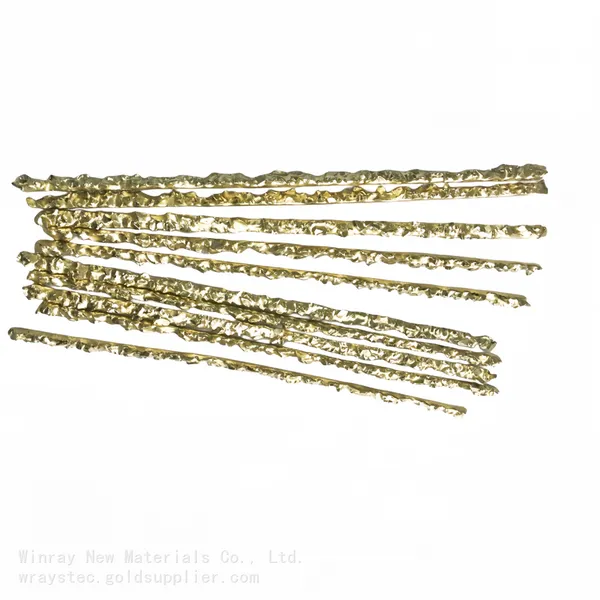
Cast tungsten carbide welding rods are tubular electrodes consisting of a low-carbon steel outer sheath filled with cast tungsten carbide particles. The core material comprises W2C and WC alloy particles, offering exceptional hardness of up to 93 HRA with a melting point of 1600–1800°C . These rods are designed for oxygen-acetylene flame surfacing, though tungsten inert gas (TIG) welding is also applicable with a somewhat reduced wear resistance .
The tungsten carbide content typically ranges from 60% to 65%, with particle sizes available from 20 to 200 mesh, allowing for customization based on specific application requirements . The irregular shape of cast tungsten carbide particles provides superior mechanical interlocking within the weld deposit, contributing to the outstanding wear resistance of the finished surface.
Key Technical Specifications
Physical and Mechanical Properties
The exceptional performance of cast tungsten carbide welding rods is rooted in their impressive material properties. With a microhardness of 2500–3000 kg/mm² and relative wear resistance 3.46–4.10 times that of YG6 cemented carbide, these rods deliver superior protection for critical components . The deposit hardness typically ranges from 52 to 67 HRC, depending on the specific grade and carbide particle morphology .
Available Grades and Sizes
Industry-standard grades include YZ3, YZ4, and YZ5, each designed for specific applications. YZ3 rods (3.2mm diameter) are ideal for precision surfacing on smaller components, while YZ4 (4.0mm) and YZ5 (5.0mm) handle heavier build-up requirements . Standard lengths of 390mm or 600mm accommodate various welding setups, with custom dimensions available upon request.
Applications Across Industries
Mining and Petroleum
The most demanding wear applications are found in the mining and petroleum sectors. Cast tungsten carbide welding rods are extensively used for:
Rock crusher components
Auger tips and twist drills
Drilling tool coronas and tricone bit teeth
Drill pipe reinforcement
PDC bit surface hardening
Oil drilling tools represent one of the largest application areas, where the extreme abrasion of rock formations rapidly degrades unprotected equipment. Hardfacing with cast tungsten carbide can extend service life by 6–7 times compared to uncoated components .
Construction and Civil Engineering
In road construction, earthmoving, and material handling, these rods protect:
Shoveling bucket edges
Bulldozer components
Scraper plates
Earth agitator parts
Cement processing equipment
The spiral crushers used in cement production and various mixing equipment benefit significantly from the wear resistance provided by carbide deposits.
Agriculture and Food Processing
Agricultural applications include:
Feed grinder hammers
Straw returning pulverizer blades
Thresher columnar teeth
Sugarcane crushing knives
Plow shares and shovel teeth
The ability to withstand abrasive wear from soil, crop residues, and mineral contaminants makes these rods essential for maintaining agricultural processing equipment.
Welding Process and Best Practices
Oxy-Acetylene Welding
The preferred welding method for cast tungsten carbide rods is oxygen-acetylene welding with a slightly carbonizing flame . The process involves:
Surface Preparation: Components must be cleaned of grease, oil, rust, and other contaminants .
Preheating: Uniform preheating to 400–600°C (750–1110°F) is essential, depending on the base material .
Welding Position: PA (flat) and PB (horizontal) positions are recommended .
Multilayer Application: One to three passes are typically applied for optimal protection .
The flame should be adjusted to avoid excessive melting of the base material while ensuring proper fusion of the carbide particles. The tubular structure of the rod allows for continuous, controlled deposition of carbide material.
TIG Welding Alternative
While TIG welding can be used, it may result in somewhat reduced wear resistance compared to oxy-acetylene welding due to different thermal profiles affecting carbide dissolution . The choice of process should be based on equipment availability and specific application requirements.
The Science Behind the Performance
Carbide Morphology and Wear Resistance
Recent developments have introduced spherical cast tungsten carbide variants that offer enhanced wear resistance compared to traditional crushed carbide. The spherical morphology provides:
Higher carbide hardness (up to 2600 HV0.1)
More uniform distribution in the weld deposit
Reduced carbide dissolution during welding
Superior abrasion resistance in the most demanding applications
Matrix Composition
The low-carbon steel tube material melts during welding, forming a tough Fe matrix that:
Prevents carbide breakout
Provides impact resistance
Ensures good bonding with the base material
Maintains deposit integrity under dynamic loading conditions
Quality and Certification
Leading manufacturers produce cast tungsten carbide welding rods in compliance with international standards, including EN 14700: T Fe20 . Certified products ensure consistent quality, reliable performance, and predictable welding characteristics. When selecting suppliers, verify compliance with these standards and request material test reports confirming chemical composition and carbide content.
Cost-Benefit Analysis
While the initial cost of cast tungsten carbide welding rods exceeds that of conventional welding consumables, the return on investment is substantial. Equipment fitted with carbide hardfacing typically lasts 5–7 times longer than unprotected parts . This translates to:
Reduced replacement part inventory
Decreased maintenance downtime
Lower labor costs for equipment repair
Improved operational efficiency
Extended equipment service life
For high-wear applications such as mining and construction equipment, this extended service life often justifies the investment within the first year of operation.
Cast tungsten carbide welding rods represent a proven, effective solution for protecting critical equipment in the most demanding wear environments. With their exceptional hardness, impact resistance, and versatility across multiple welding processes, these rods have become indispensable in industries where equipment durability directly impacts profitability.
Whether protecting mining drills, agricultural machinery, or construction equipment, the application of cast tungsten carbide hardfacing delivers measurable improvements in component life and operational efficiency. For organizations committed to minimizing downtime and maximizing equipment performance, these welding rods offer a reliable, cost-effective path to enhanced wear protection.
Recently Posted
-
Why is it impossible to simultaneously achieve both high hardness and high toughness in cemented car
July 2, 2026In the machining industry, when selecting cemented carbide cutting tools, one often faces a difficult choice: hardness or toughnes Read More
 -
How to Choose the Right Cemented Carbide Drill Bit for High-Performance Machining
June 3, 2026In precision machining, the drill bit is often the unsung hero. Among all types of drilling tools, cemented carbide drill bits sta Read More
 -
Solid Carbide End Mill for HRC58 Hardened Steel – D8*20*8*60L-4F with Bronze Coating
June 2, 2026Machining hardened steel (up to HRC58) presents unique challenges: high cutting forces, heat generation, and rapid tool wear. With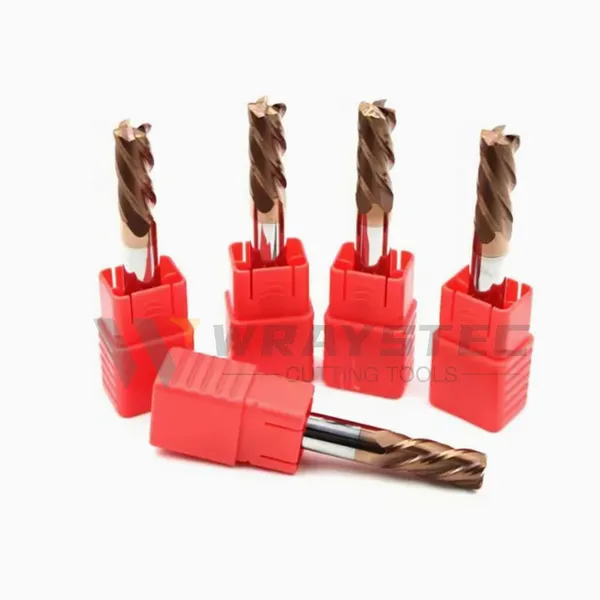 Read More
 -
Why YG6 Tungsten Carbide Nozzles Are the Industry Standard for Abrasive Resistance
May 28, 2026In industries ranging from sandblasting to water jet cutting, the nozzle is one of the most critical yet overlooked components. A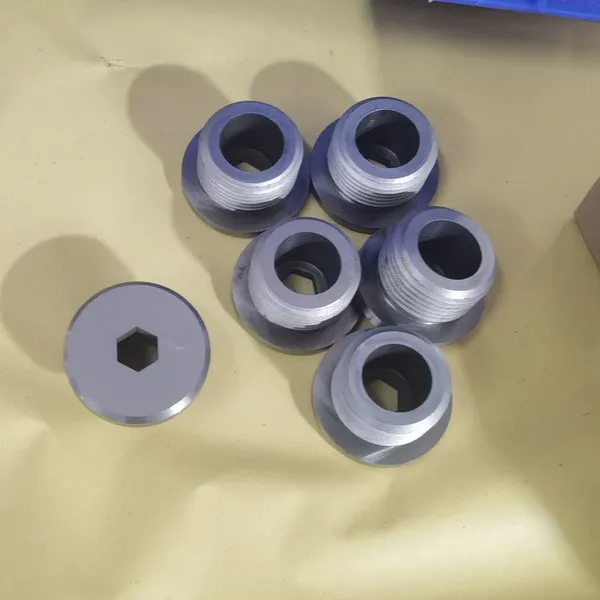 Read More

Contact Us
Recommended Products
-
 C2 Ammco Positive Rake Carbide Bits for RELS Model 45016 R08/10/12 RadiusUS$ 2.5 - 3MOQ: 50 Blades
 -
C2 Ammco Positive Rake Carbide Bits for RELS Model Brake Lathe 45016 RELS Carbide Bits RelacementsUS$ 2.5 - 3MOQ: 50 Blades
-
Holder Number 45703 Inserts Number CB90488 Replaces Accuturn Carbide Bit for Hard SteelUS$ 1.35 - 2.82MOQ: 10 Blades
-
CB90488 Replaces Accuturn Part Number 433796 Fits Accuturn Tool Holders: 433763, 433764, 434056, 434057, 434286, 433779US$ 1.35 - 2.82MOQ: 10 Blades
-
CB90488 Positive Rake Carbide Inserts for Accuturn Models 8911, 8922, 8944, 8989, 8991, 8993US$ 1.35 - 2.82MOQ: 10 Blades
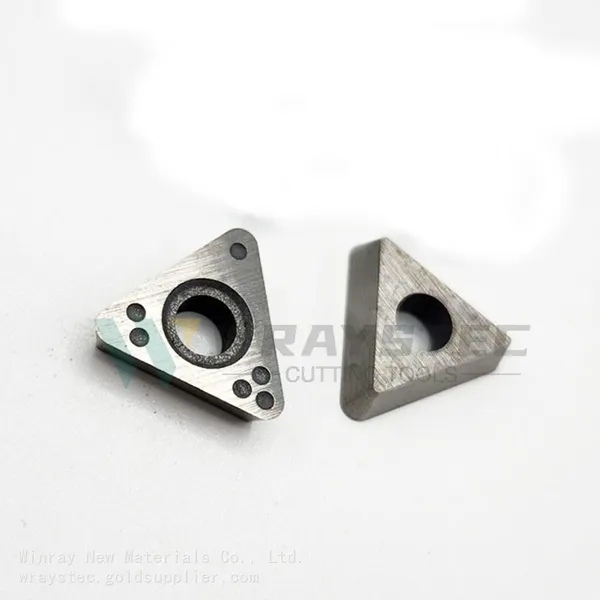
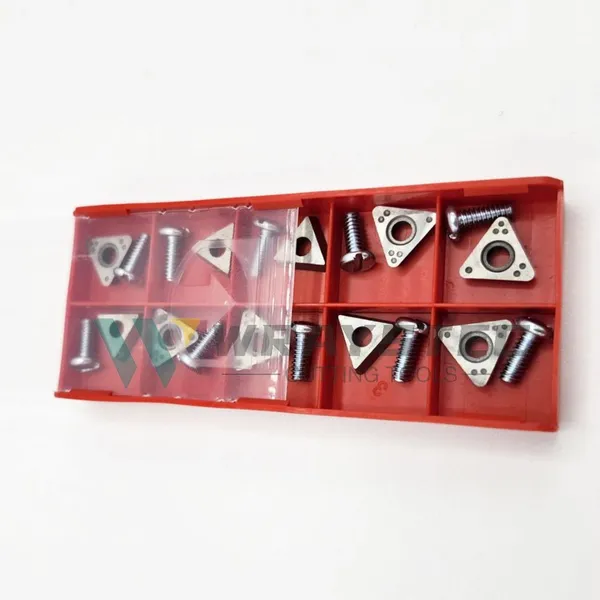
-
Ammco 6914 Insert Can be Used on 6 Edges With Ammco Twin Cutter (6950)/ RELS Twin Cutter (40095) /negative Rake Tool Holder Set # 45701US$ 1.05 - 2MOQ: 10 Blades
-
Negative Rake Carbide Inserts For Ammco Models 4000, 4100, 7000 Lathes CB6914/6918-10US$ 1.05 - 2MOQ: 10 Blades
-
Positive Rake Carbide Bits for Ammco Model 2000 Brake Lathe CB6914-10US$ 1.05 - 2MOQ: 10 Blades
-
Carbide Milling Tools HNGX0906 45 Degree Double Side Heavy Duty MachiningNegotiableMOQ: 10 Blades
-
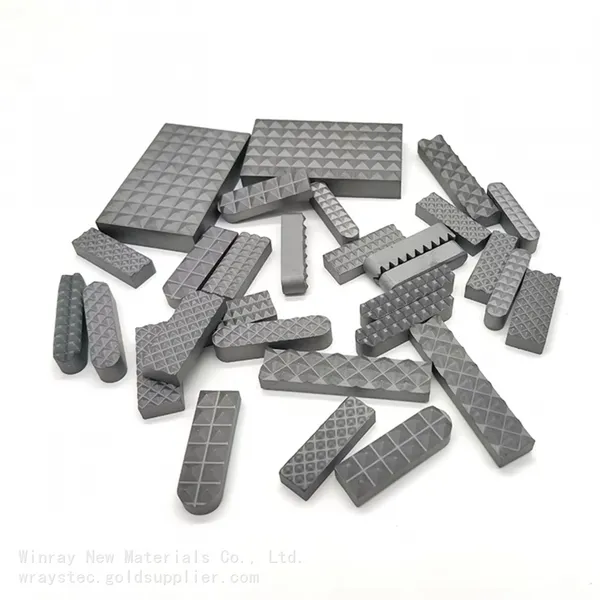
Carbide Chuck Jaw Inserts for Pipe Chuck Clamp MechanicalNegotiableMOQ: 100 Blades
-
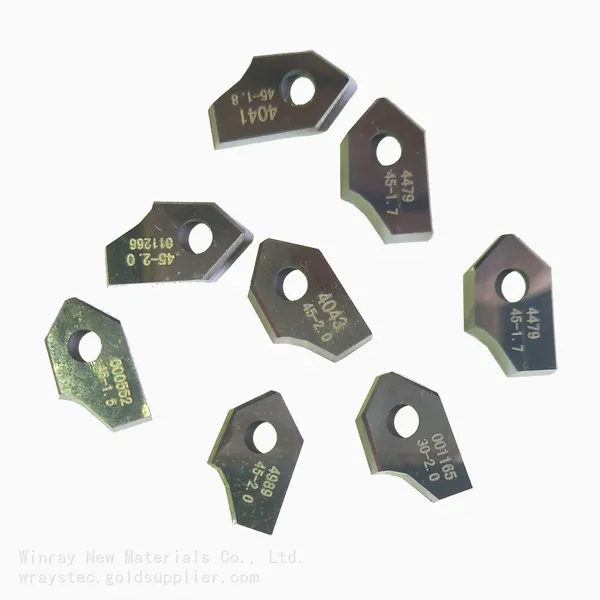
Modern Design High Precision Serdi Carbide Pilot for Guide Cutting MachineNegotiableMOQ: 10 Blades
-
Valve Seat Boring Machine Carbide Incisors Tungsten Carbide Valve Seat InsertsNegotiableMOQ: 10 Blades
-
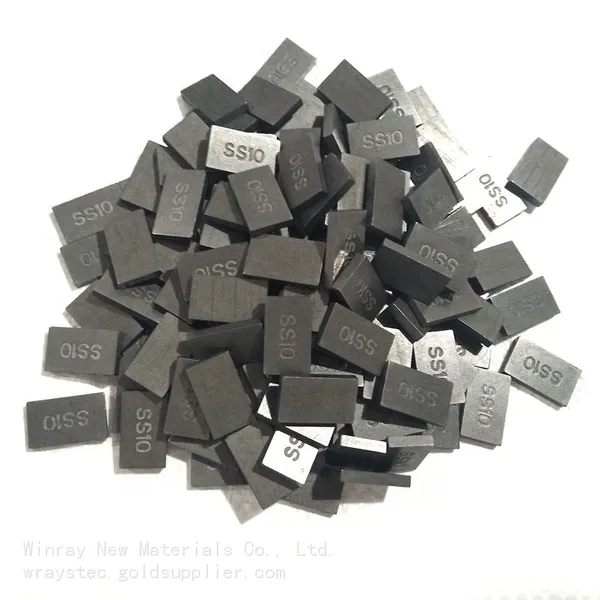
ISO Standard and Best Price Carbide Tips Ss10 Carbide Stone Cutting TipsNegotiableMOQ: 20 Kilograms
-
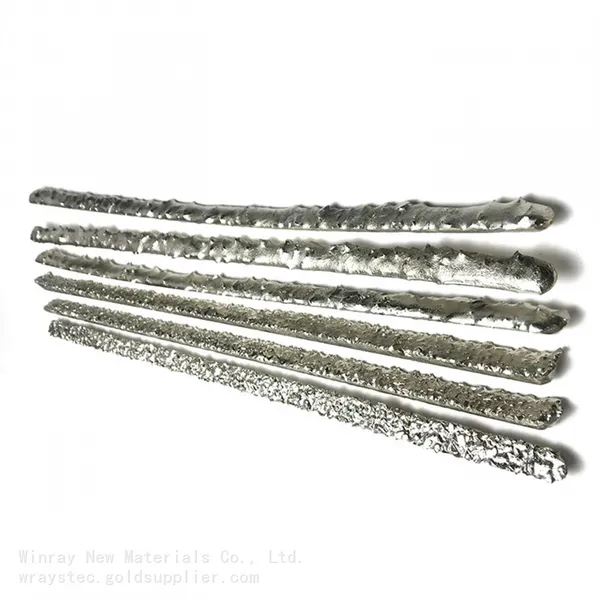
Tungsten Carbide Composite Rods Welding Composite Rods High Wear Resistance for AgriculturalNegotiableMOQ: 10 Kilograms
-
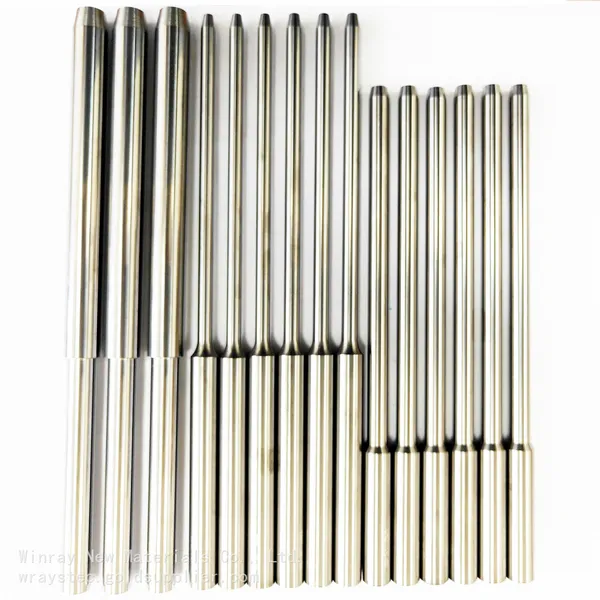
Tungsten Carbide Composite Rod YD Rods YD-5 60/40 With Nickel Matrix AlloyNegotiableMOQ: 10 Kilograms
-
U-shape 40*4.4/4.7/5.0*15mm Diameter Granite Marble Stone Cutting Disc Saw Blade SegmentsNegotiableMOQ: 1 Blade
-
Diamond Saw Blades for Marble Block CuttingNegotiableMOQ: 1 Blade
-
Diamond Wire Rope for Mining OperationsNegotiableMOQ: 1 Combo
-
100% Carbide Raw Materials of PCD Inserts With High Hardness Carbide Base TNGA16T304/08NegotiableMOQ: 10 Blades
-
TNMG160404/08/12 CNC Cutting Inserts Triangular Shape for Precision Turning of Steel and Stainless Steel WorkpiecesNegotiableMOQ: 10 Blades