 Business License

Why Tungsten Carbide Tips Are the First Choice for Automotive Safety Hammer Windows Breakers
In modern vehicle safety design, every second counts during an emergency. A safety hammer is a small but critical tool designed to break car windows quickly when passengers need to escape. However, not all safety hammers perform equally. The key to a reliable safety hammer lies in the tip material — and that is where tungsten carbide stands out.
Tungsten carbide tips have become the industry standard for automotive safety hammers, recommended by professionals for their unique combination of hardness, durability, and ease of use. In this article, we explore why tungsten carbide is the preferred material for safety hammer tips and how it contributes to vehicle occupant safety.
What Is a Tungsten Carbide Safety Hammer Tip?
A tungsten carbide safety hammer tip is a small, specially shaped component mounted on the striking end of an emergency hammer. When pressed against a car window, the tip concentrates force into a tiny area, creating enough stress to shatter tempered or laminated glass.
Unlike ordinary metal tips, tungsten carbide tips are engineered for extreme conditions, ensuring that the hammer works even after prolonged storage or exposure to heat, moisture, or vehicle vibrations.
Key Properties of Tungsten Carbide for Safety Hammers
The automotive safety industry recommends tungsten carbide tips because of five critical properties:
1. High Hardness
Tungsten carbide is one of the hardest materials available, second only to diamond. This hardness ensures that the tip retains its sharp point even after repeated impacts, which is essential for breaking glass instantly.
2. High Wear Resistance
Safety hammers are often stored for years before being used. Tips made from ordinary steel can corrode or wear down over time. Tungsten carbide resists wear, maintaining its performance over the life of the vehicle.
3. Excellent Corrosion Resistance
Vehicles are exposed to humidity, temperature changes, and road salts. Tungsten carbide does not rust or degrade easily, making it ideal for long-term use in car cabins, tool kits, or emergency compartments.
4. Good Toughness
While extremely hard, tungsten carbide is also engineered to have good toughness. This means it can withstand impact without cracking or shattering — a crucial feature when striking a glass surface at high force.
5. Easy Weldability
Tungsten carbide tips can be easily welded onto metal hammer bodies using standard brazing techniques. This simplifies manufacturing and ensures a strong, permanent bond between the tip and the hammer handle.
Why the Automotive Safety Industry Recommends Tungsten Carbide
Car manufacturers, emergency equipment suppliers, and safety regulators recommend tungsten carbide tips for several reasons:
Consistent performance in real emergencies – The tip does not dull or deform over time.
Works on both tempered and laminated glass – Modern car windows may use laminated side glass; tungsten carbide tips can penetrate both.
Reliable in extreme temperatures – From freezing cold to desert heat, the tip functions without failure.
Low maintenance for end users – Drivers never need to sharpen or replace the tip under normal conditions.
Applications Beyond Passenger Cars
While passenger vehicles are the primary market, tungsten carbide safety hammer tips are also used in:
Buses and school buses – For emergency exits.
Trains and subway cars – As part of emergency break-glass tools.
Construction and mining vehicles – Where rollover risks require quick egress.
Marine vessels – Resistant to saltwater corrosion.
Manufacturing and Quality Control
High-quality tungsten carbide tips are produced through powder metallurgy:
Mixing – Tungsten carbide powder is mixed with cobalt binder.
Pressing – The mixture is pressed into tip shapes.
Sintering – Tips are heated to near melting point in a controlled atmosphere.
Grinding – Final shaping and sharpening to precise dimensions.
Inspection – Hardness, toughness, and weldability are tested before shipping.
Reputable manufacturers follow ISO or automotive industry standards (e.g., IATF 16949) to ensure batch-to-batch consistency.
How to Choose the Right Safety Hammer with Tungsten Carbide Tip
If you are a vehicle manufacturer, fleet manager, or safety equipment buyer, consider the following:
Verify the tip material – Look for “tungsten carbide” or “carbide tip” in specifications.
Check for corrosion-resistant coating – Some tips add anti-rust coating for extra protection.
Test weld strength – Ensure the tip is properly brazed to the hammer body.
Review certifications – Seek products tested to standards like ECE R21 or equivalent.
The tungsten carbide safety hammer tip is a small component that plays a life-saving role. Its high hardness, wear resistance, corrosion resistance, good toughness, and easy weldability make it the first choice for automotive emergency tools. As vehicle glass technology evolves, tungsten carbide remains a reliable, industry-recommended solution.
Whether you are designing next-generation safety hammers or simply choosing emergency equipment for your fleet, tungsten carbide tips offer the performance and peace of mind that drivers and passengers deserve.
Recently Posted
-
Beyond Hardness: Why Cemented Carbide Wear Parts Are Your Best Defense Against Unplanned Downtime
August 28, 2026In the world of heavy industry, maintenance planners lose sleep over one thing: unplanned stoppage. When a wear part fails, the cl Read More
 -
CB50742: The Cast Iron Brake Disc Repair Insert You Need to Know About
August 28, 2026If you work in automotive machining or heavy equipment maintenance, you know that brake disc repair is one of the toughest jobs in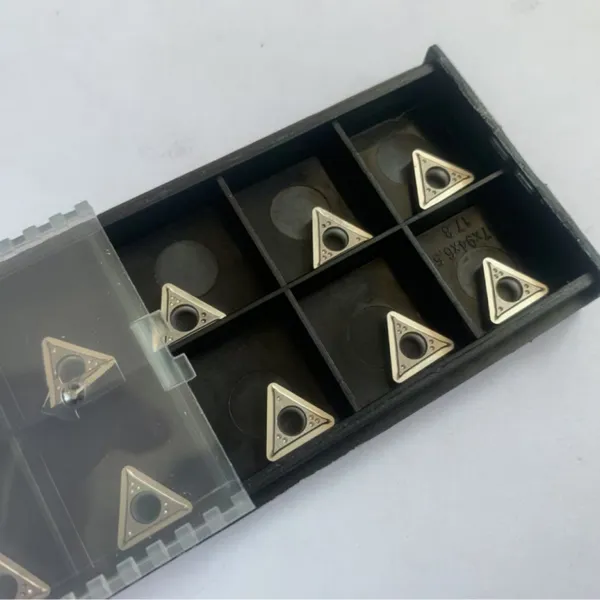 Read More
 -
Hardmetal (Cemented Carbide) Slips and Chucks
July 29, 2026In precision machining and workholding applications, hardmetal—also known as cemented carbide or tungsten carbide—plays a critical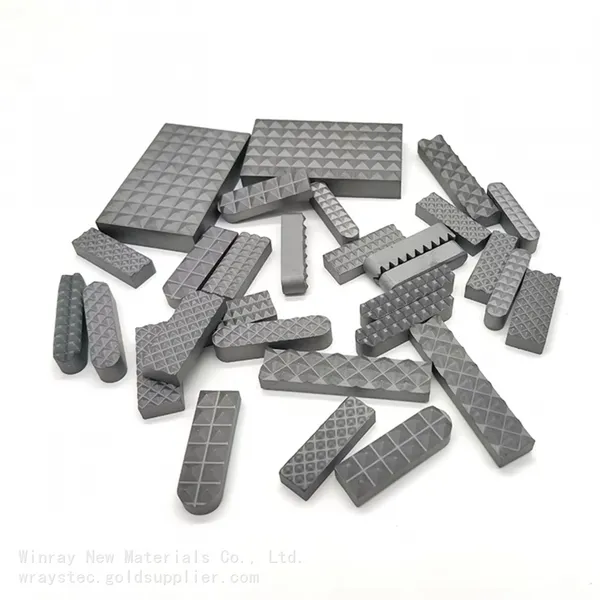 Read More
 -
Carbide Tipped Saw Blades: Unlocking Superior Cutting Performance Across Industries
July 16, 2026In the modern industrial ecosystem, precision cutting is non-negotiable. Whether you are processing engineered wood for high-end f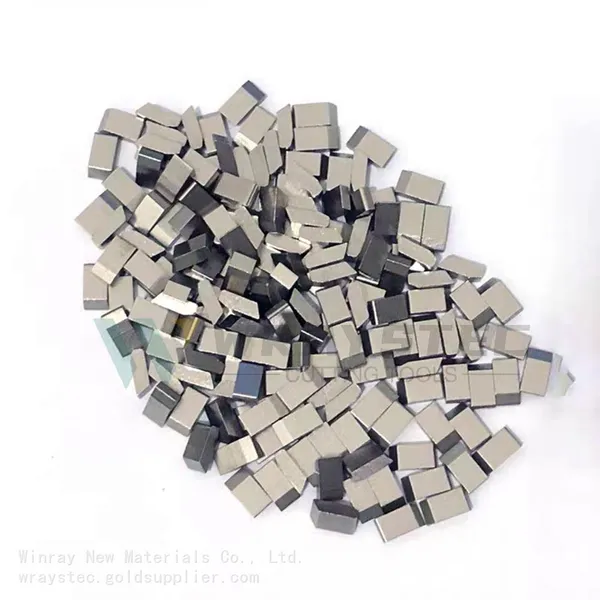 Read More

Contact Us
Recommended Products
-
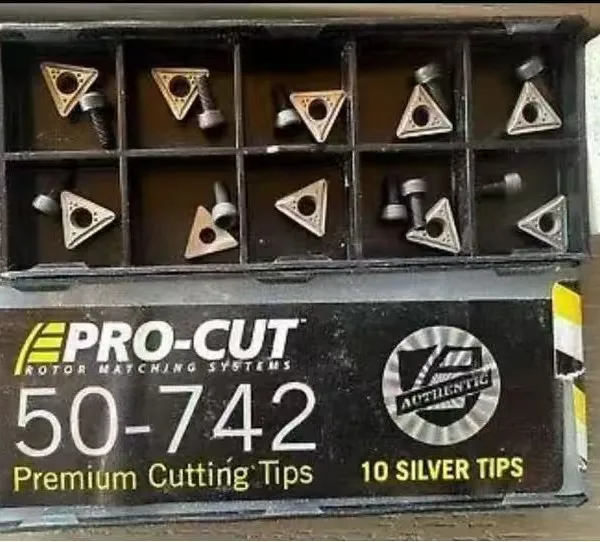
 Wear Resistance CB50742 Carbide Bits for Brake Lath Machine TPGX110308 Hi10 for Cast IronUS$ 1.05 - 2MOQ: 10 Blades
 -
Wear-resistant Cemented Carbide Stamping ComponentsNegotiableMOQ: 1 Unit
-
YG11 Tungsten Carbide Heavy-Duty Wear RingNegotiableMOQ: 1 Unit
-
C2 Ammco Positive Rake Carbide Bits for RELS Model 45016 R08/10/12 RadiusUS$ 2.5 - 3MOQ: 50 Blades
-
C2 Ammco Positive Rake Carbide Bits for RELS Model Brake Lathe 45016 RELS Carbide Bits RelacementsUS$ 2.5 - 3MOQ: 50 Blades
-
Holder Number 45703 Inserts Number CB90488 Replaces Accuturn Carbide Bit for Hard SteelUS$ 1.35 - 2.82MOQ: 10 Blades
-
CB90488 Replaces Accuturn Part Number 433796 Fits Accuturn Tool Holders: 433763, 433764, 434056, 434057, 434286, 433779US$ 1.35 - 2.82MOQ: 10 Blades
-
CB90488 Positive Rake Carbide Inserts for Accuturn Models 8911, 8922, 8944, 8989, 8991, 8993US$ 1.35 - 2.82MOQ: 10 Blades
-
Ammco 6914 Insert Can be Used on 6 Edges With Ammco Twin Cutter (6950)/ RELS Twin Cutter (40095) /negative Rake Tool Holder Set # 45701US$ 1.05 - 2MOQ: 10 Blades
-
Negative Rake Carbide Inserts For Ammco Models 4000, 4100, 7000 Lathes CB6914/6918-10US$ 1.05 - 2MOQ: 10 Blades
-
Positive Rake Carbide Bits for Ammco Model 2000 Brake Lathe CB6914-10US$ 1.05 - 2MOQ: 10 Blades
-
Carbide Milling Tools HNGX0906 45 Degree Double Side Heavy Duty MachiningNegotiableMOQ: 10 Blades
-
Carbide Chuck Jaw Inserts for Pipe Chuck Clamp MechanicalNegotiableMOQ: 100 Blades
-
Modern Design High Precision Serdi Carbide Pilot for Guide Cutting MachineNegotiableMOQ: 10 Blades
-
Valve Seat Boring Machine Carbide Incisors Tungsten Carbide Valve Seat InsertsNegotiableMOQ: 10 Blades
-
ISO Standard and Best Price Carbide Tips Ss10 Carbide Stone Cutting TipsNegotiableMOQ: 20 Kilograms
-
Tungsten Carbide Composite Rods Welding Composite Rods High Wear Resistance for AgriculturalNegotiableMOQ: 10 Kilograms
-
Tungsten Carbide Composite Rod YD Rods YD-5 60/40 With Nickel Matrix AlloyNegotiableMOQ: 10 Kilograms
-
U-shape 40*4.4/4.7/5.0*15mm Diameter Granite Marble Stone Cutting Disc Saw Blade SegmentsNegotiableMOQ: 1 Blade
-
Diamond Saw Blades for Marble Block CuttingNegotiableMOQ: 1 Blade