 Business License

Hardmetal Alloy Fibre Cutting Blades and Corrugated Cardboard Slitter Knives
In the demanding world of industrial cutting, the difference between a clean edge and a flawed product often comes down to the material composition of the blade. Among the most critical and high-wear applications are the cutting of synthetic fibres in the textile and composites industries, and the slitting of corrugated cardboard in packaging. The common denominator for success in both fields is the use of Hardmetal Alloy (Cemented Carbide) blades. This introduction explores the properties, advantages, and specific applications of hardmetal alloy fibre knives and corrugated cardboard slitter knives.
What is Hardmetal Alloy?
Hardmetal alloy, commonly known as cemented carbide, is a composite material manufactured through powder metallurgy. It consists of microscopic grains of tungsten carbide (WC)—one of the hardest materials on Earth—embedded in a ductile binder matrix of cobalt (Co) or nickel (Ni). This unique combination provides extreme hardness (typically 85–94 HRA) combined with a level of toughness that resists chipping. For cutting tools, this translates directly into superior wear resistance and edge retention, far surpassing that of high-speed steel (HSS) or tool steel.
Hardmetal Alloy Fibre Cutting Blades (The "Synthetic Fibre Knife")
In the production of synthetic materials—such as polyester, nylon, aramid (Kevlar®), carbon fibre, or fibreglass—the cutting environment is highly abrasive. These fibres are chemically aggressive and can quickly dull standard steel blades, leading to frayed edges, fibre pull-out, and production stoppages.
Hardmetal alloy fibre knives are engineered specifically to solve these issues. Their extreme hardness allows the blade to maintain a razor-sharp edge even after millions of cuts against abrasive fibres. Unlike steel, which loses its profile through micro-deformation, hardmetal wears down at a microscopic, predictable rate. This ensures a clean, shear cut that seals the fibre ends rather than tearing them—a critical requirement for high-strength composite materials and textile webbing.
Furthermore, modern hardmetal grades for fibre cutting utilize a fine grain structure (sub-micron or nano-grain). This increases the transverse rupture strength, allowing the blade to withstand the lateral stresses of high-speed reciprocating or rotary cutting machines without fracturing.
Corrugated Cardboard Slitter Knives
The corrugated packaging industry represents one of the most challenging environments for industrial blades. Corrugated cardboard is not a homogenous material; it consists of a flat linerboard and a fluted medium, often made from recycled paper containing clay, sand, and other abrasives. Cutting this material requires a blade that can resist "sand erosion" while maintaining a precise cutting gap.
Hardmetal slitter knives are the gold standard for "single-knife" and "score-cut" slitting systems. In rotary slitting, where a top blade and bottom blade shear against each other, the extreme rigidity of hardmetal ensures that the knife does not flex under pressure. This rigidity results in a straight, dust-free cut with minimal edge crush (often called "board crush").
Key advantages of hardmetal corrugated blades include:
Extended Lifespan: A hardmetal slitter knife typically lasts 15 to 20 times longer than a conventional steel blade before requiring sharpening. This drastically reduces machine downtime for blade changes.
Cut Quality: Because the edge stays sharp longer, the cut fibre edges of the board remain clean. This prevents "dusting"—the release of fine paper particles that clog machinery and contaminate food-grade packaging.
Consistent Slit Width: Hardmetal’s resistance to wear ensures that the blade’s outside diameter remains constant over time, maintaining consistent overlap and side clearance for high-precision box dimensions.
Design and Maintenance Considerations
While hardmetal blades offer unmatched performance, they require specific handling. Due to their high hardness, they are less forgiving of impact than steel; therefore, proper alignment of the blade holder and anvil is critical. When sharpening is required, it must be done with diamond grinding wheels, as conventional aluminum oxide wheels will not cut the carbide.
Manufacturers often provide these blades in two forms: full hardmetal (the entire blade is carbide) or tipped (a steel body with a hardmetal edge bonded via brazing). Tipped blades offer a balance of cost-efficiency and shock resistance, while full-hardmetal blades are preferred for continuous, high-speed operations like fibre conversion lines.
Conclusion
Whether facing the abrasive tug of carbon fibre tows or the gritty assault of recycled corrugated board, the hardmetal alloy blade stands as the ultimate solution. For the fibre industry, it guarantees clean, untangled cuts; for the packaging industry, it ensures precision dimensions and dust-free slitting. Investing in high-quality tungsten carbide knives reduces waste, minimizes downtime, and increases throughput, proving that in industrial cutting, the hardest material truly delivers the softest operation.
Recently Posted
-
Beyond Hardness: Why Cemented Carbide Wear Parts Are Your Best Defense Against Unplanned Downtime
August 28, 2026In the world of heavy industry, maintenance planners lose sleep over one thing: unplanned stoppage. When a wear part fails, the cl Read More
 -
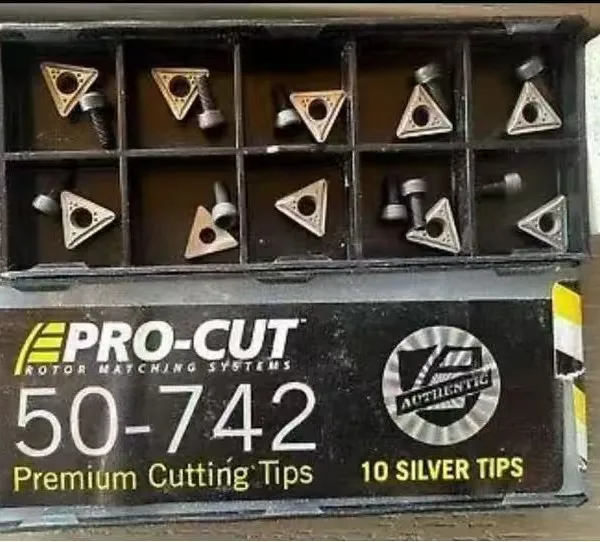
CB50742: The Cast Iron Brake Disc Repair Insert You Need to Know About
August 28, 2026If you work in automotive machining or heavy equipment maintenance, you know that brake disc repair is one of the toughest jobs in Read More
 -
Hardmetal (Cemented Carbide) Slips and Chucks
July 29, 2026In precision machining and workholding applications, hardmetal—also known as cemented carbide or tungsten carbide—plays a critical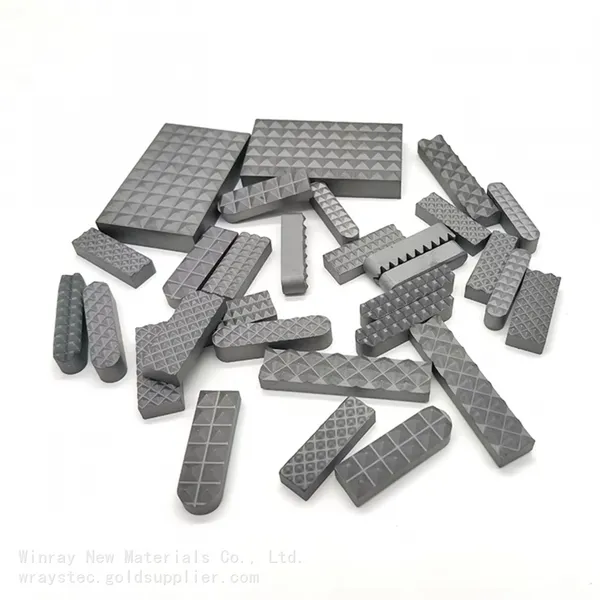 Read More
 -
Carbide Tipped Saw Blades: Unlocking Superior Cutting Performance Across Industries
July 16, 2026In the modern industrial ecosystem, precision cutting is non-negotiable. Whether you are processing engineered wood for high-end f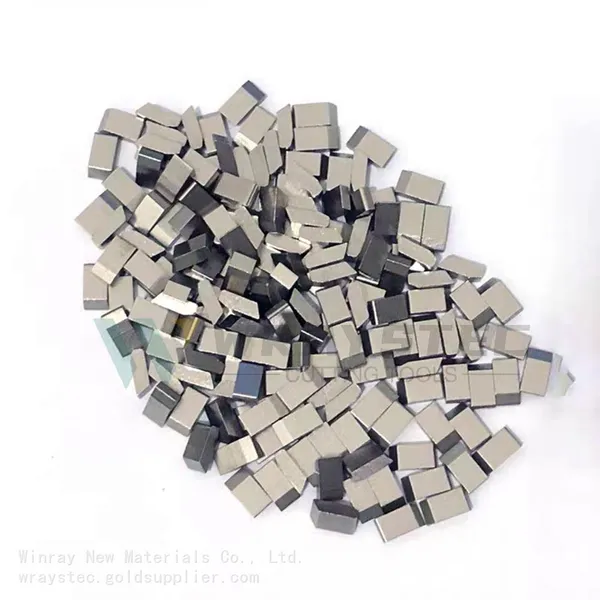 Read More

Contact Us
Recommended Products
-
 Wear Resistance CB50742 Carbide Bits for Brake Lath Machine TPGX110308 Hi10 for Cast IronUS$ 1.05 - 2MOQ: 10 Blades
 -
Wear-resistant Cemented Carbide Stamping ComponentsNegotiableMOQ: 1 Unit
-
YG11 Tungsten Carbide Heavy-Duty Wear RingNegotiableMOQ: 1 Unit
-
C2 Ammco Positive Rake Carbide Bits for RELS Model 45016 R08/10/12 RadiusUS$ 2.5 - 3MOQ: 50 Blades
-
C2 Ammco Positive Rake Carbide Bits for RELS Model Brake Lathe 45016 RELS Carbide Bits RelacementsUS$ 2.5 - 3MOQ: 50 Blades
-
Holder Number 45703 Inserts Number CB90488 Replaces Accuturn Carbide Bit for Hard SteelUS$ 1.35 - 2.82MOQ: 10 Blades
-
CB90488 Replaces Accuturn Part Number 433796 Fits Accuturn Tool Holders: 433763, 433764, 434056, 434057, 434286, 433779US$ 1.35 - 2.82MOQ: 10 Blades
-
CB90488 Positive Rake Carbide Inserts for Accuturn Models 8911, 8922, 8944, 8989, 8991, 8993US$ 1.35 - 2.82MOQ: 10 Blades
-
Ammco 6914 Insert Can be Used on 6 Edges With Ammco Twin Cutter (6950)/ RELS Twin Cutter (40095) /negative Rake Tool Holder Set # 45701US$ 1.05 - 2MOQ: 10 Blades
-
Negative Rake Carbide Inserts For Ammco Models 4000, 4100, 7000 Lathes CB6914/6918-10US$ 1.05 - 2MOQ: 10 Blades
-
Positive Rake Carbide Bits for Ammco Model 2000 Brake Lathe CB6914-10US$ 1.05 - 2MOQ: 10 Blades
-
Carbide Milling Tools HNGX0906 45 Degree Double Side Heavy Duty MachiningNegotiableMOQ: 10 Blades
-
Carbide Chuck Jaw Inserts for Pipe Chuck Clamp MechanicalNegotiableMOQ: 100 Blades
-
Modern Design High Precision Serdi Carbide Pilot for Guide Cutting MachineNegotiableMOQ: 10 Blades
-
Valve Seat Boring Machine Carbide Incisors Tungsten Carbide Valve Seat InsertsNegotiableMOQ: 10 Blades
-
ISO Standard and Best Price Carbide Tips Ss10 Carbide Stone Cutting TipsNegotiableMOQ: 20 Kilograms
-
Tungsten Carbide Composite Rods Welding Composite Rods High Wear Resistance for AgriculturalNegotiableMOQ: 10 Kilograms
-
Tungsten Carbide Composite Rod YD Rods YD-5 60/40 With Nickel Matrix AlloyNegotiableMOQ: 10 Kilograms
-
U-shape 40*4.4/4.7/5.0*15mm Diameter Granite Marble Stone Cutting Disc Saw Blade SegmentsNegotiableMOQ: 1 Blade
-
Diamond Saw Blades for Marble Block CuttingNegotiableMOQ: 1 Blade