 Business License

Maximizing Machining Efficiency: The Ultimate Guide to Cemented Carbide Inserts
In the world of precision machining, every second counts, and every tool affects your bottom line. Whether you are turning, milling, or drilling, the performance of your cutting tools directly determines surface quality, cycle time, and tooling costs. At the heart of modern metalworking lies a small but mighty component: the cemented carbide insert. As a dedicated supplier of high-performance carbide inserts, we understand the challenges you face daily. This guide explains why cemented carbide inserts have become the industry standard, how to choose the right grade for your application, and how our products can help you achieve unmatched machining efficiency.
What Are Cemented Carbide Inserts?
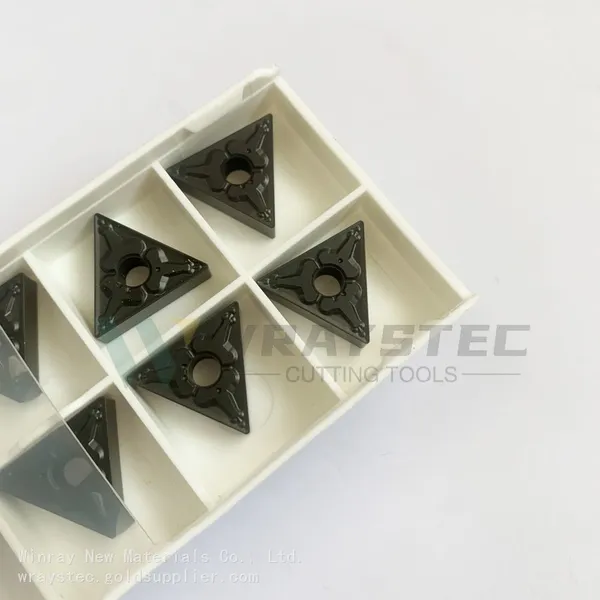
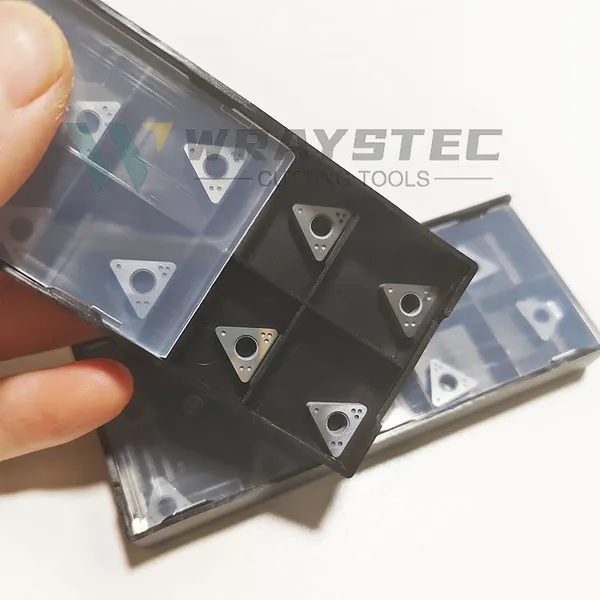
Cemented carbide inserts are indexable cutting tips made from tungsten carbide (WC) particles bonded together with a metallic binder, typically cobalt (Co). This combination creates a composite material that is extremely hard, wear-resistant, and capable of withstanding high temperatures generated during high-speed machining. Unlike brazed tools or high-speed steel (HSS), cemented carbide inserts feature multiple cutting edges (corners). When one edge wears out, you simply index (rotate) the insert to a fresh edge—no regrinding, no downtime. This unique design makes them indispensable for CNC lathes, milling machines, and turning centers.
Why High-Quality Cemented Carbide Inserts Matter
Not all carbide inserts are created equal. Substandard inserts can lead to premature edge chipping, built-up edge (BUE), poor surface finish, and even machine damage. Here are the critical benefits of investing in premium cemented carbide inserts:
Exceptional Wear Resistance – High-quality inserts maintain their sharpness longer, reducing the frequency of tool changes and allowing for longer, unattended production runs.
Heat Tolerance – Cemented carbide retains its hardness at red-hot temperatures (up to 1000°C or more), enabling dry machining or high-speed cutting without coolant in many cases.
Cost Efficiency – Although the upfront cost is higher than HSS, the longer tool life and multiple cutting edges make the cost per part significantly lower.
Versatility – Available in hundreds of shapes (CNMG, TNMG, APKT, etc.), sizes, and chipbreaker geometries, carbide inserts can handle everything from roughing to finishing, and materials from aluminum to hardened steel and superalloys.
How to Select the Right Cemented Carbide Insert
Choosing the wrong insert can ruin a batch of parts. Consider these four factors when selecting:
1. Workpiece Material
Steel (P) – Use inserts with a wear-resistant coating like TiAlN or AlCrN and a tough substrate.
Stainless Steel (M) – Look for sharp edges and chipbreakers designed to prevent work hardening.
Cast Iron (K) – Uncoated or Al₂O₃-coated carbide grades work well.
Superalloys (S) – Requires extremely heat-resistant grades with fine-grain substrates.
2. Insert Geometry & Chipbreaker
The shape of the insert (e.g., 80° rhombic, square, round) determines the tool’s entering angle. The chipbreaker design controls chip flow. For roughing, choose an open chipbreaker; for finishing, a tight, sharp chipbreaker reduces cutting forces.
3. Coating Technology
Modern coatings dramatically improve performance:
TiN (Titanium Nitride) – General purpose, reduces friction.
TiCN (Titanium Carbonitride) – Higher hardness for abrasive materials.
TiAlN / AlTiN (Titanium Aluminum Nitride) – Excellent for high-speed, high-heat applications.
AlCrN (Aluminum Chromium Nitride) – Superior oxidation resistance for dry machining.
4. Insert Grade (Substrate + Coating)
Manufacturers offer different grades. A “tough” grade resists impact (good for interrupted cuts), while a “hard” grade provides wear resistance for continuous cuts.
Our Cemented Carbide Inserts: Engineered for Excellence
As a specialized supplier, we don’t just sell inserts—we provide machining solutions. Our products are manufactured using the latest pressing and sintering technologies, with strict quality control at every stage. Here is what sets our cemented carbide inserts apart:
Premium raw materials – We use high-purity tungsten carbide powder and uniformly dispersed cobalt binder to eliminate porosity and micro-cracks.
Advanced coatings – Our PVD and CVD coatings are applied with precision for excellent adhesion and uniform thickness.
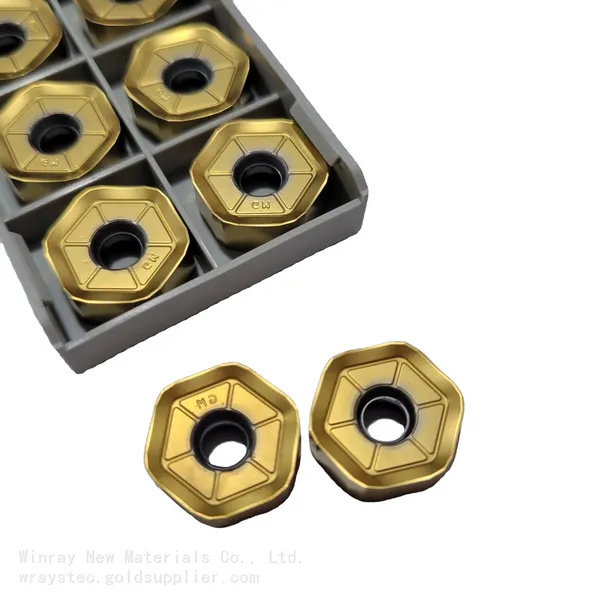
Wide selection in stock – From common turning inserts (CNMG, DNMG, WNMG, VNMG) to milling inserts (APKT, SEHT, RDMW) and threading/grooving inserts. We also offer custom geometries for specific applications.
Competitive pricing – By optimizing our production chain, we offer OEM-level quality at up to 30% lower cost than legacy brands.
Fast global shipping – Most orders are processed within 24 hours, minimizing your inventory holding costs.
Pro Tips for Maximizing Insert Life
Even the best cemented carbide insert can fail if used incorrectly. Follow these best practices:
Match speed and feed – Always consult the recommended cutting parameters. Too slow causes built-up edge; too fast leads to plastic deformation.
Rigid setup – Any vibration or tool overhang shortens insert life dramatically.
Use the correct nose radius – A larger radius distributes heat and stress but increases radial forces. Choose based on depth of cut and part finish requirements.
Don’t skip coolant – For heat-sensitive materials, high-pressure coolant directed at the cutting zone prevents thermal cracking.
Real-World Applications
Our customers have successfully used our cemented carbide inserts in:
Automotive component manufacturing (brake discs, crankshafts, connecting rods)
Aerospace structural parts (titanium and Inconel)
General engineering (hydraulic cylinders, shafts, flanges)
Medical implant rough machining
One recent case: A CNC job shop switched to our TNMG 160404-MP grade for turning 4140 steel. Their tool life increased by 42%, and surface finish improved from Ra 1.6 to Ra 0.8 µm, allowing them to eliminate a secondary polishing step.
Cemented carbide inserts are the backbone of efficient metal cutting. By choosing the right grade, geometry, and coating—and by sourcing from a reliable supplier—you can dramatically reduce machining costs while improving part quality. We invite you to explore our full range of cemented carbide inserts. Whether you need standard turning inserts, high-feed milling cutters, or specialized grooving tools, we have a solution for you.
Ready to upgrade your tooling? Contact us today for a free test sample or a no-obligation quote. Visit our product catalog or email your requirements to our engineering team. Let us help you cut faster, last longer, and machine smarter.
Recently Posted
-
Why is it impossible to simultaneously achieve both high hardness and high toughness in cemented car
July 2, 2026In the machining industry, when selecting cemented carbide cutting tools, one often faces a difficult choice: hardness or toughnes Read More
 -
Cast Tungsten Carbide Welding Rods: The Ultimate Solution for Extreme Wear Resistance
June 25, 2026In industries where equipment faces relentless abrasion, impact, and high-temperature stress, the choice of wear protection materi Read More
 -
How to Choose the Right Cemented Carbide Drill Bit for High-Performance Machining
June 3, 2026In precision machining, the drill bit is often the unsung hero. Among all types of drilling tools, cemented carbide drill bits sta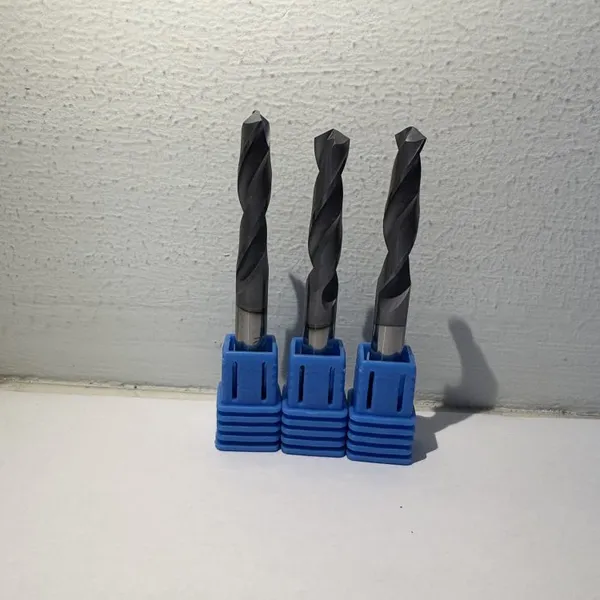 Read More
 -
Solid Carbide End Mill for HRC58 Hardened Steel – D8*20*8*60L-4F with Bronze Coating
June 2, 2026Machining hardened steel (up to HRC58) presents unique challenges: high cutting forces, heat generation, and rapid tool wear. With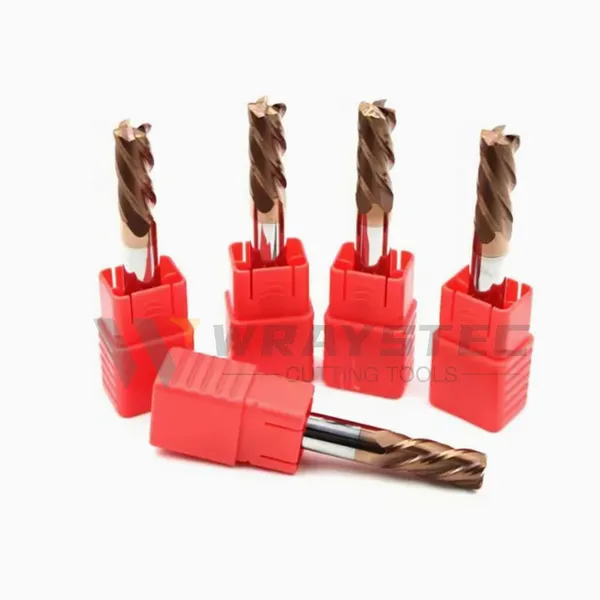 Read More

Contact Us
Recommended Products
-
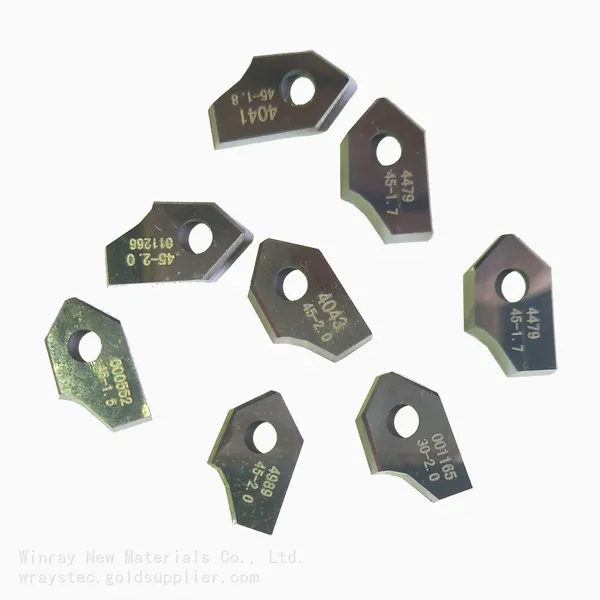
 C2 Ammco Positive Rake Carbide Bits for RELS Model 45016 R08/10/12 RadiusUS$ 2.5 - 3MOQ: 50 Blades
 -
C2 Ammco Positive Rake Carbide Bits for RELS Model Brake Lathe 45016 RELS Carbide Bits RelacementsUS$ 2.5 - 3MOQ: 50 Blades
-
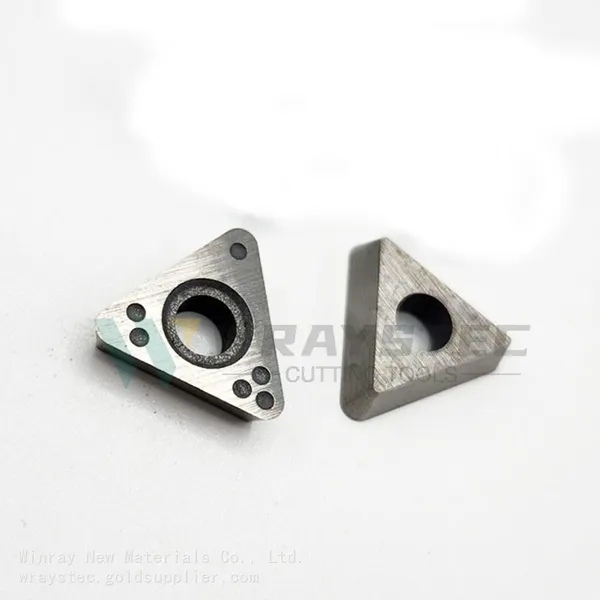
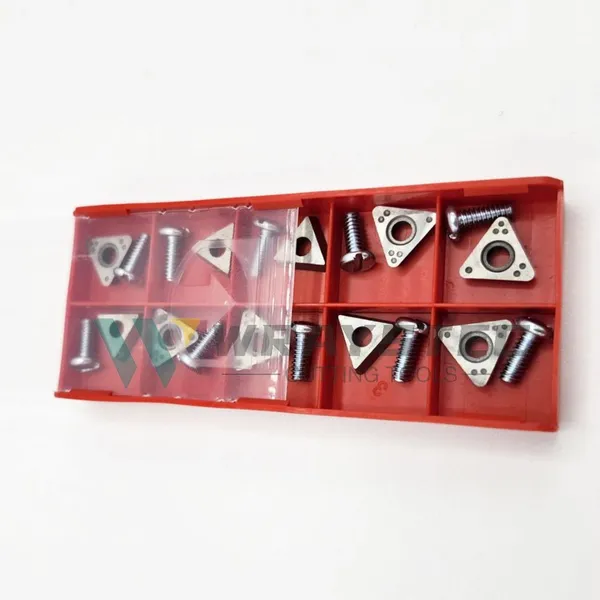
Holder Number 45703 Inserts Number CB90488 Replaces Accuturn Carbide Bit for Hard SteelUS$ 1.35 - 2.82MOQ: 10 Blades
-
CB90488 Replaces Accuturn Part Number 433796 Fits Accuturn Tool Holders: 433763, 433764, 434056, 434057, 434286, 433779US$ 1.35 - 2.82MOQ: 10 Blades
-
CB90488 Positive Rake Carbide Inserts for Accuturn Models 8911, 8922, 8944, 8989, 8991, 8993US$ 1.35 - 2.82MOQ: 10 Blades
-
Ammco 6914 Insert Can be Used on 6 Edges With Ammco Twin Cutter (6950)/ RELS Twin Cutter (40095) /negative Rake Tool Holder Set # 45701US$ 1.05 - 2MOQ: 10 Blades
-
Negative Rake Carbide Inserts For Ammco Models 4000, 4100, 7000 Lathes CB6914/6918-10US$ 1.05 - 2MOQ: 10 Blades
-
Positive Rake Carbide Bits for Ammco Model 2000 Brake Lathe CB6914-10US$ 1.05 - 2MOQ: 10 Blades
-
Carbide Milling Tools HNGX0906 45 Degree Double Side Heavy Duty MachiningNegotiableMOQ: 10 Blades
-
Carbide Chuck Jaw Inserts for Pipe Chuck Clamp MechanicalNegotiableMOQ: 100 Blades
-
Modern Design High Precision Serdi Carbide Pilot for Guide Cutting MachineNegotiableMOQ: 10 Blades
-
Valve Seat Boring Machine Carbide Incisors Tungsten Carbide Valve Seat InsertsNegotiableMOQ: 10 Blades
-
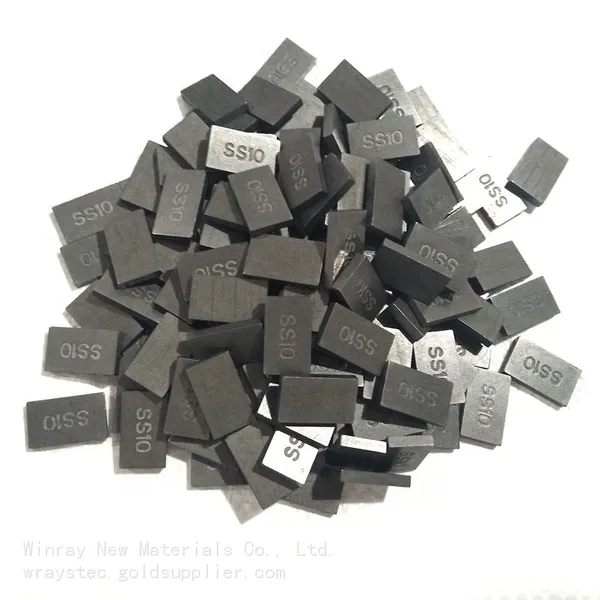
ISO Standard and Best Price Carbide Tips Ss10 Carbide Stone Cutting TipsNegotiableMOQ: 20 Kilograms
-
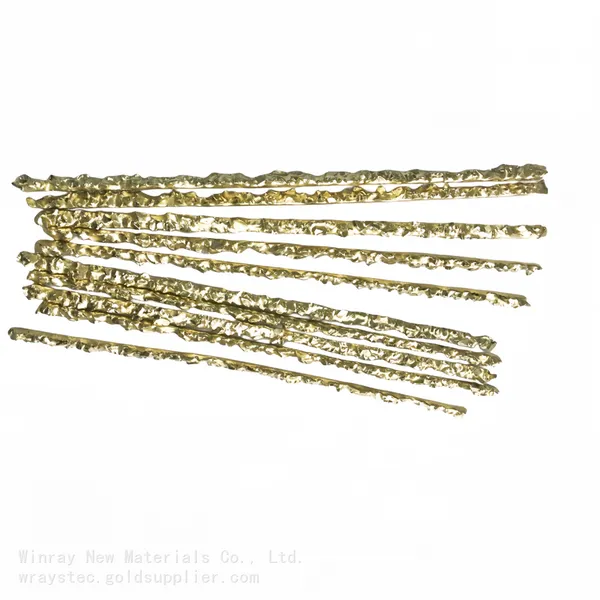
Tungsten Carbide Composite Rods Welding Composite Rods High Wear Resistance for AgriculturalNegotiableMOQ: 10 Kilograms
-
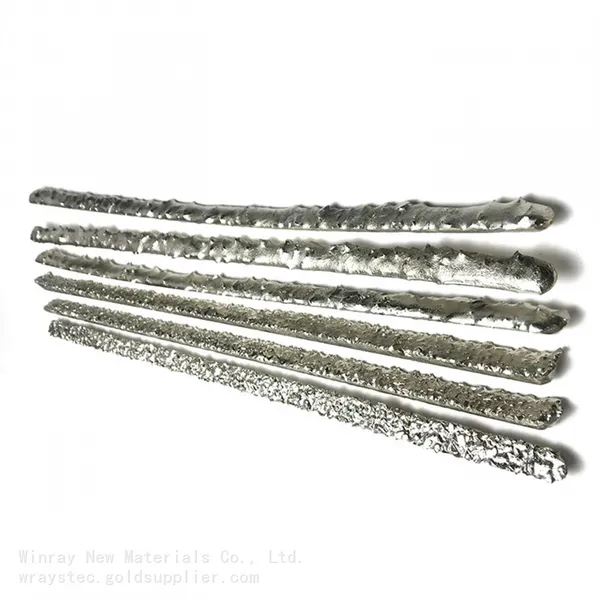
Tungsten Carbide Composite Rod YD Rods YD-5 60/40 With Nickel Matrix AlloyNegotiableMOQ: 10 Kilograms
-
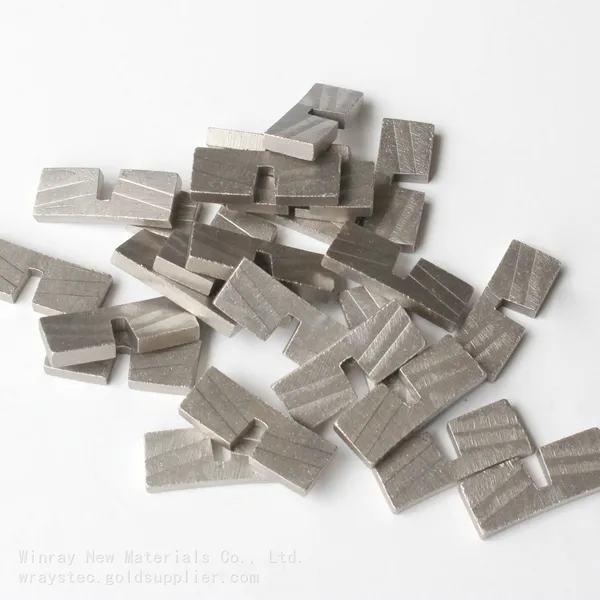
U-shape 40*4.4/4.7/5.0*15mm Diameter Granite Marble Stone Cutting Disc Saw Blade SegmentsNegotiableMOQ: 1 Blade
-
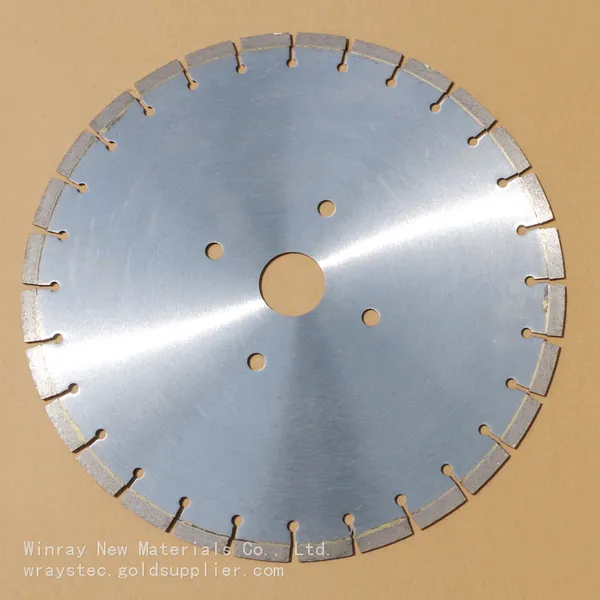
Diamond Saw Blades for Marble Block CuttingNegotiableMOQ: 1 Blade
-
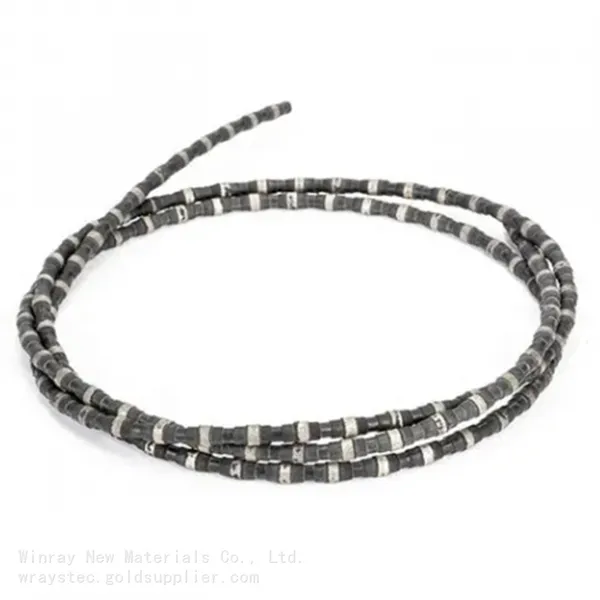
Diamond Wire Rope for Mining OperationsNegotiableMOQ: 1 Combo
-
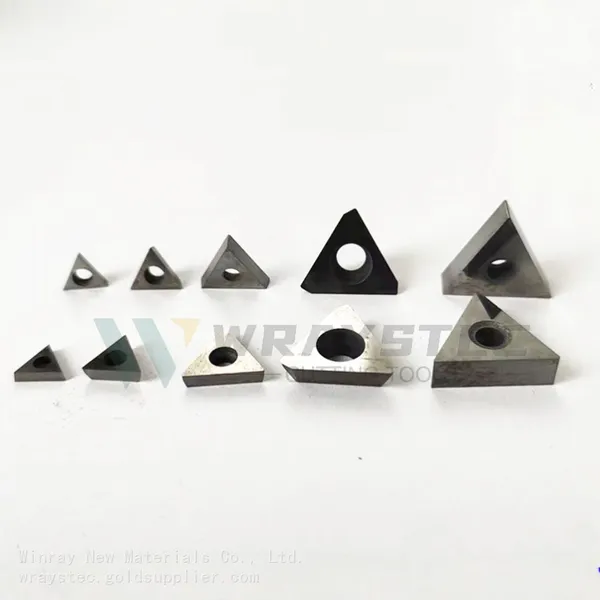
100% Carbide Raw Materials of PCD Inserts With High Hardness Carbide Base TNGA16T304/08NegotiableMOQ: 10 Blades
-
TNMG160404/08/12 CNC Cutting Inserts Triangular Shape for Precision Turning of Steel and Stainless Steel WorkpiecesNegotiableMOQ: 10 Blades