 Business License

The Definitive Guide to Choosing the Right Carbide Grade for Your Machining Application
Selecting the correct carbide grade for your CNC inserts isn't a one-size-fits-all decision; it's the single most critical factor in determining your machining success. The right choice dramatically improves productivity, part quality, and tool life, while the wrong one leads to premature failure, poor finishes, and costly downtime. This guide will demystify carbide grades and equip you with a practical framework for making the optimal selection.
At its core, a "carbide grade" is a specific recipe of tungsten carbide (WC) particles cemented together with a cobalt (Co) binder. The properties are tailored by adjusting:
Grain Size: Finer grains increase hardness and wear resistance but can reduce toughness.
Cobalt Percentage: More cobalt increases toughness and thermal shock resistance but decreases hardness and wear resistance.
Additives (TiC, TaC, NbC): These enhance hot hardness, reduce crater wear, and improve oxidation resistance.
These raw materials are then enhanced with advanced coatings, applied via Chemical Vapor Deposition (CVD) or Physical Vapor Deposition (PVD), which act as a thermal and abrasive barrier.
The 4 Key Selection Criteria: The "Workpiece-Tool" Matrix
Always start by analyzing these four interconnected factors:
1. The Workpiece Material (What you're cutting)
This is your primary driver. Group materials by their machinability and challenges:
Steels & Cast Irons (ISO P - Blue): Look for grades with good edge toughness and crater wear resistance. For softer steels, a harder PVD-coated grade (like TiAlN) is excellent. For harder steels or intermittent cuts, a tougher substrate with a post-treatment is key.
Stainless Steels (ISO M - Yellow): These materials work-harden and generate high heat and pressure. Choose grades with excellent thermal resistance, high hot hardness, and a sharp, positive edge to shear the material cleanly. PVD coatings often perform better than CVD here.
Cast Irons (ISO K - Red): Abrasive and generating dust-like chips. Prioritize abrasion resistance. A hard substrate with a thick, durable CVD coating (like Al₂O₃) is often the best choice.
Heat-Resistant Super Alloys (HRSA) & Titanium (ISO S - Orange): The ultimate challenge of high heat, pressure, and chemical reactivity. You need very tough substrates to withstand notch wear, combined with lubricious PVD coatings (like AlTiN with high Al content or CrN) to reduce heat and adhesion.
Aluminum & Non-Ferrous (ISO N - Green): For abrasion resistance. These are best machined with uncoated, sharp polished carbide or diamond-coated tools to prevent material adhesion (BUE).
2. The Machining Operation (How you're cutting)
The type of cut dictates the required balance of toughness vs. hardness.
Finishing: Light cuts, high speeds, focus on wear resistance and surface finish. Use a harder grade with a sharp edge and a smooth coating.
General Machining: Balanced conditions. Use a universal grade designed for a wide range of materials and operations.
Roughing/Heavy-Duty: Deep cuts, interrupted cuts, high feed rates. The priority is toughness and thermal shock resistance. Choose a grade with a higher cobalt content and a robust cutting edge geometry (chamfered/honed).
3. The Machine & Setup (The stability of your system)
A perfect grade will fail on a weak setup. Assess:
Machine Power & Rigidity: Older or less rigid machines demand tougher grades to handle vibration and deflection.
Toolholding: High-performance holders (hydraulic, shrink-fit) allow you to push toward harder, more productive grades. Collet chucks may require a tougher safety margin.
Workpiece Clamping & Overhang: Unstable parts or long tool overhangs introduce vibration, again necessitating a tougher grade.
4. Your Priority Goal (What matters most?)
Explicitly define the success metric for the job:
Maximize Tool Life? Opt for the hardest, most wear-resistant grade suitable for the application.
Maximize Productivity/Speed? Choose a grade with excellent hot hardness and a coating that can handle extreme temperatures, allowing you to increase cutting parameters.
Ensure Uninterrupted Reliability? In automated or high-value part production, choose a slightly tougher grade that forgives minor variations in the process, even if it sacrifices some potential speed.
Achieve Superior Surface Finish? Select a grade with a sharp, polished edge and a very fine-grained substrate.
A Practical Step-by-Step Selection Guide
Identify the ISO Application Group (P, M, K, S, N) based on your workpiece.
Analyze the Operation: Is it finishing, general, or roughing? This narrows down the toughness/hardness spectrum within the correct ISO group.
Consider the Machine Condition: Downgrade toughness if stability is poor.
Consult Grade "Selector Guides" from Leading Manufacturers (Sandvik Coromant, Kennametal, Iscar, Mitsubishi, etc.). They provide excellent application-specific recommendations. Don't just look for the grade code (e.g., GCxxxx, KCxxxx), but understand its property profile.
Test with a Scientific Method: Never test multiple variables at once. Start with the manufacturer's recommended starting parameters for that grade. To compare two grades, change only the insert and keep all other parameters (speed, feed, depth of cut, setup) identical.
Common Pitfalls to Avoid
Choosing Too Hard a Grade: Leads to chipping and catastrophic failure in unstable conditions or interrupted cuts.
Choosing Too Soft/Tough a Grade: Leads to rapid flank wear and thermal deformation, wasting the tool's potential.
Ignoring the Coating: The substrate and coating are a system. Ensure the coating type (PVD vs. CVD) and composition are suited to your material and heat generation.
Overlooking Edge Preparation: A honed or chamfered edge (T-land) dramatically increases edge strength for roughing.
Conclusion: It's a Balancing Act
Carbide grade selection is a deliberate balancing act between Hardness (Wear Resistance) and Toughness (Shock Resistance). There is no universal "best" grade. By systematically evaluating your workpiece material, operation, machine stability, and primary goal, you can move from guesswork to a precise, profitable selection. Invest time in understanding grades—it's the highest-return activity in your machining process.
Ready to Optimize? Have a challenging material or application? Share your workpiece and operation details in the comments, and let's discuss potential grade strategies.
Recently Posted
-
Beyond Hardness: Why Cemented Carbide Wear Parts Are Your Best Defense Against Unplanned Downtime
August 28, 2026In the world of heavy industry, maintenance planners lose sleep over one thing: unplanned stoppage. When a wear part fails, the cl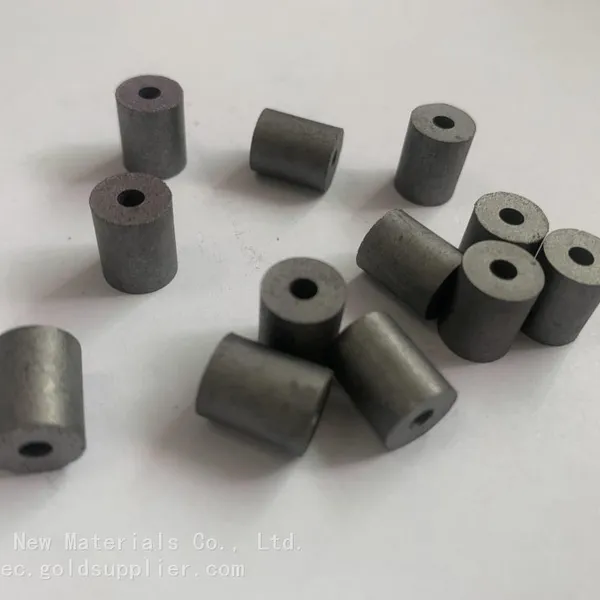 Read More
 -
CB50742: The Cast Iron Brake Disc Repair Insert You Need to Know About
August 28, 2026If you work in automotive machining or heavy equipment maintenance, you know that brake disc repair is one of the toughest jobs in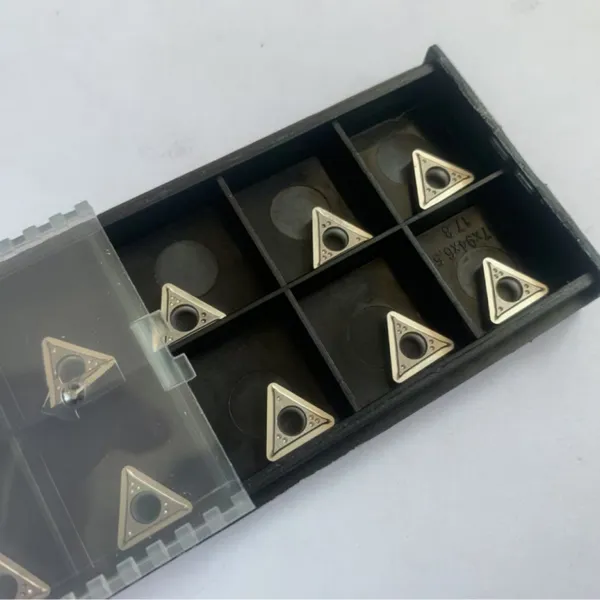 Read More
 -
Hardmetal (Cemented Carbide) Slips and Chucks
July 29, 2026In precision machining and workholding applications, hardmetal—also known as cemented carbide or tungsten carbide—plays a critical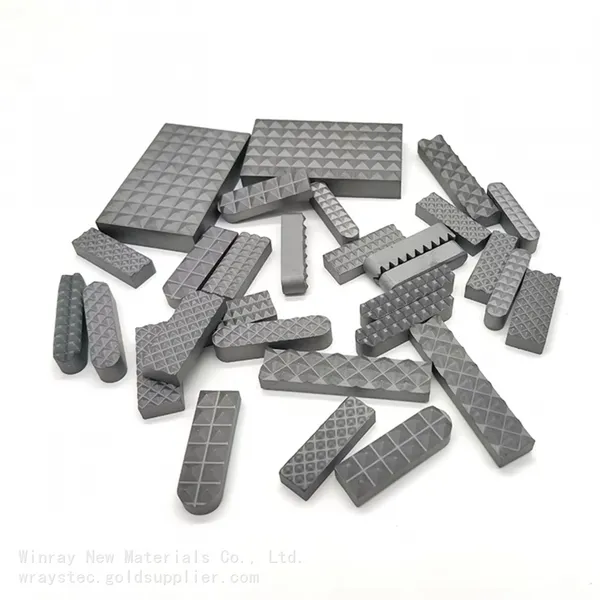 Read More
 -
Carbide Tipped Saw Blades: Unlocking Superior Cutting Performance Across Industries
July 16, 2026In the modern industrial ecosystem, precision cutting is non-negotiable. Whether you are processing engineered wood for high-end f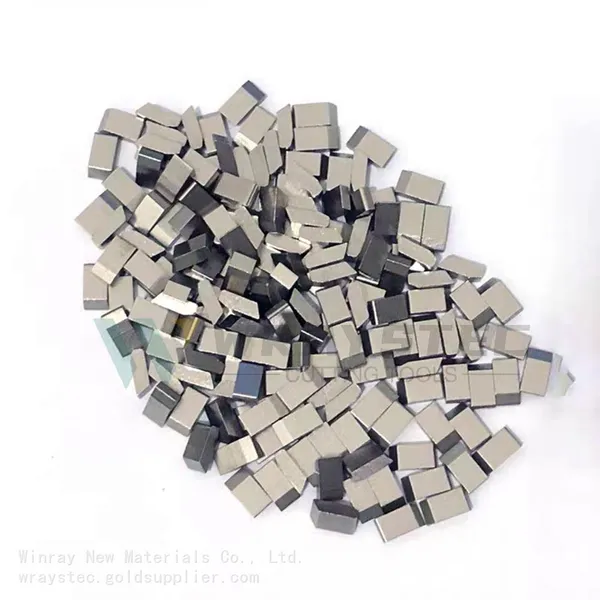 Read More

Contact Us
Recommended Products
-
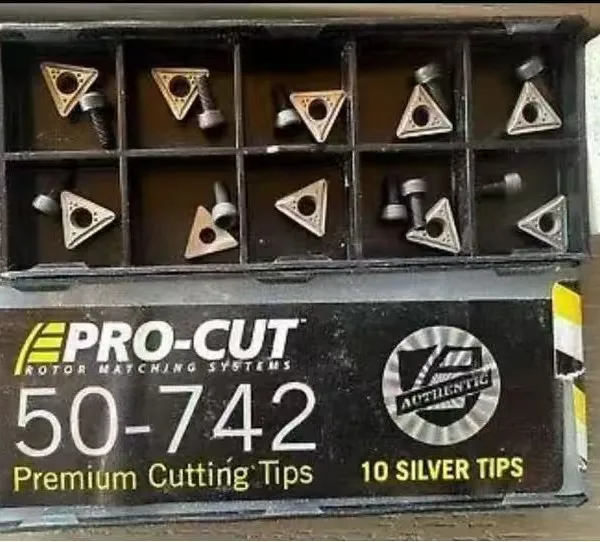
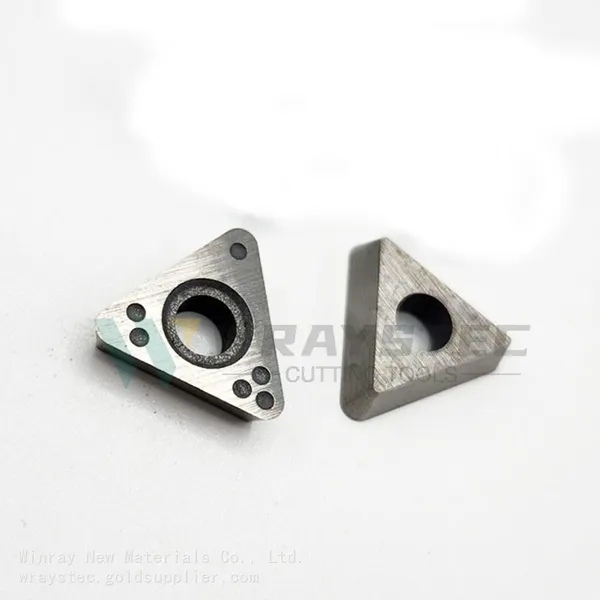
 Wear Resistance CB50742 Carbide Bits for Brake Lath Machine TPGX110308 Hi10 for Cast IronUS$ 1.05 - 2MOQ: 10 Blades
 -
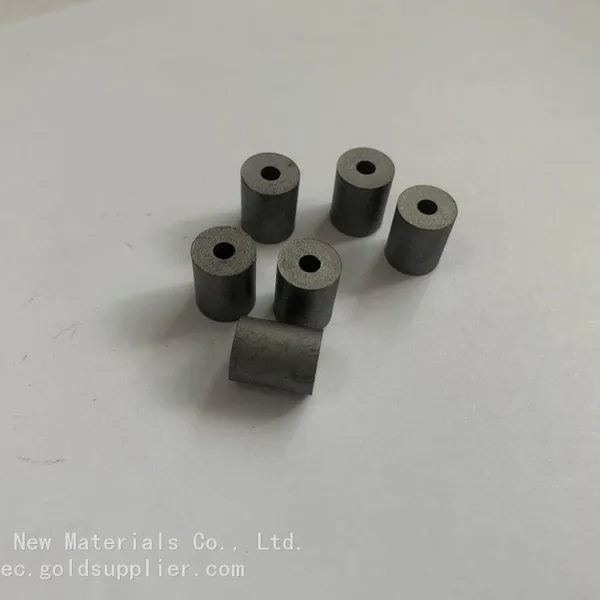
Wear-resistant Cemented Carbide Stamping ComponentsNegotiableMOQ: 1 Unit
-
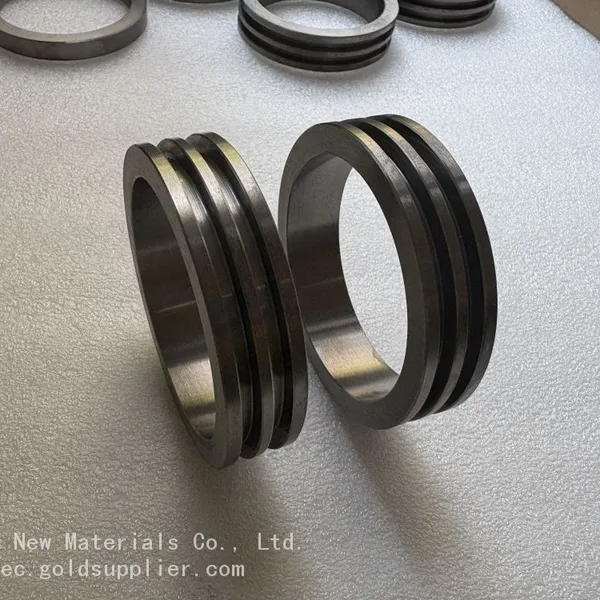
YG11 Tungsten Carbide Heavy-Duty Wear RingNegotiableMOQ: 1 Unit
-
C2 Ammco Positive Rake Carbide Bits for RELS Model 45016 R08/10/12 RadiusUS$ 2.5 - 3MOQ: 50 Blades
-
C2 Ammco Positive Rake Carbide Bits for RELS Model Brake Lathe 45016 RELS Carbide Bits RelacementsUS$ 2.5 - 3MOQ: 50 Blades
-
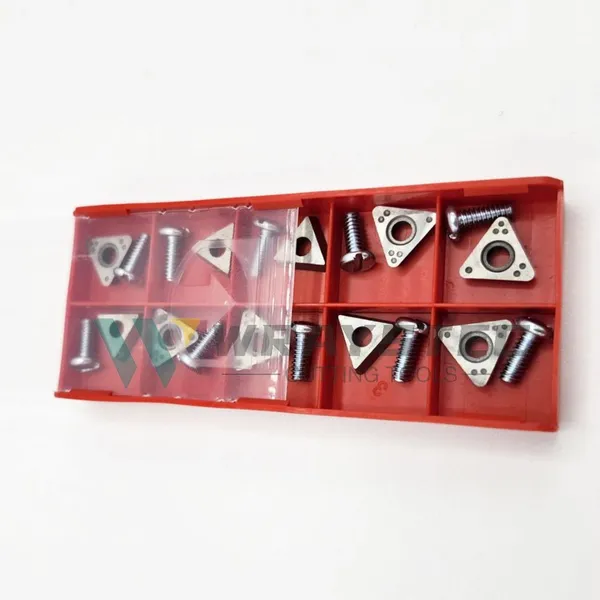
Holder Number 45703 Inserts Number CB90488 Replaces Accuturn Carbide Bit for Hard SteelUS$ 1.35 - 2.82MOQ: 10 Blades
-
CB90488 Replaces Accuturn Part Number 433796 Fits Accuturn Tool Holders: 433763, 433764, 434056, 434057, 434286, 433779US$ 1.35 - 2.82MOQ: 10 Blades
-
CB90488 Positive Rake Carbide Inserts for Accuturn Models 8911, 8922, 8944, 8989, 8991, 8993US$ 1.35 - 2.82MOQ: 10 Blades
-
Ammco 6914 Insert Can be Used on 6 Edges With Ammco Twin Cutter (6950)/ RELS Twin Cutter (40095) /negative Rake Tool Holder Set # 45701US$ 1.05 - 2MOQ: 10 Blades
-
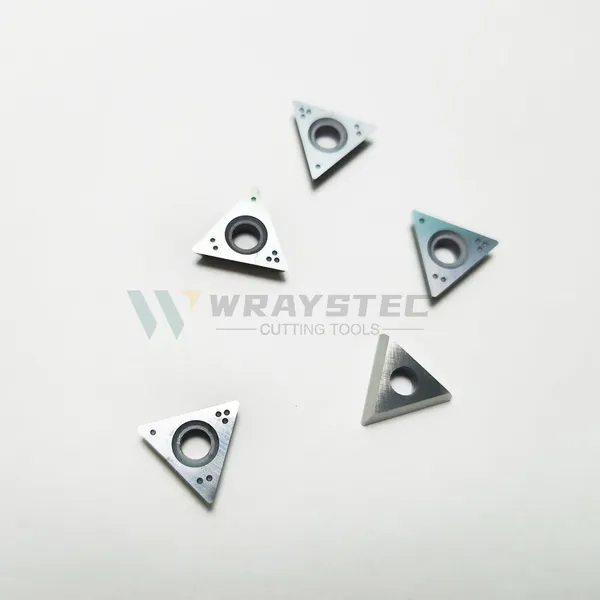
Negative Rake Carbide Inserts For Ammco Models 4000, 4100, 7000 Lathes CB6914/6918-10US$ 1.05 - 2MOQ: 10 Blades
-
Positive Rake Carbide Bits for Ammco Model 2000 Brake Lathe CB6914-10US$ 1.05 - 2MOQ: 10 Blades
-
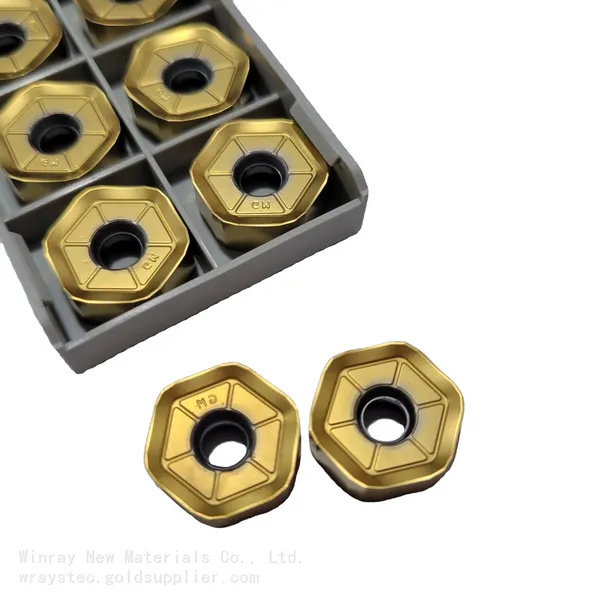
Carbide Milling Tools HNGX0906 45 Degree Double Side Heavy Duty MachiningNegotiableMOQ: 10 Blades
-
Carbide Chuck Jaw Inserts for Pipe Chuck Clamp MechanicalNegotiableMOQ: 100 Blades
-
Modern Design High Precision Serdi Carbide Pilot for Guide Cutting MachineNegotiableMOQ: 10 Blades
-
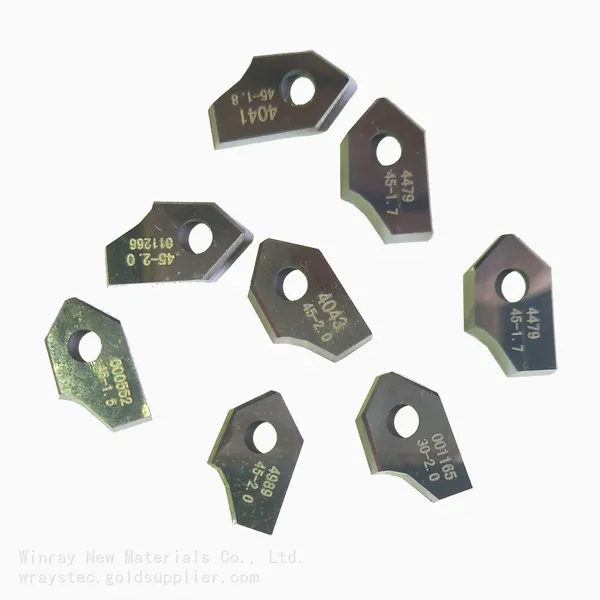
Valve Seat Boring Machine Carbide Incisors Tungsten Carbide Valve Seat InsertsNegotiableMOQ: 10 Blades
-
ISO Standard and Best Price Carbide Tips Ss10 Carbide Stone Cutting TipsNegotiableMOQ: 20 Kilograms
-
Tungsten Carbide Composite Rods Welding Composite Rods High Wear Resistance for AgriculturalNegotiableMOQ: 10 Kilograms
-
Tungsten Carbide Composite Rod YD Rods YD-5 60/40 With Nickel Matrix AlloyNegotiableMOQ: 10 Kilograms
-
U-shape 40*4.4/4.7/5.0*15mm Diameter Granite Marble Stone Cutting Disc Saw Blade SegmentsNegotiableMOQ: 1 Blade
-
Diamond Saw Blades for Marble Block CuttingNegotiableMOQ: 1 Blade