 Business License

Beyond Steel: The Tiny Powerhouse Revolutionizing How We Cut
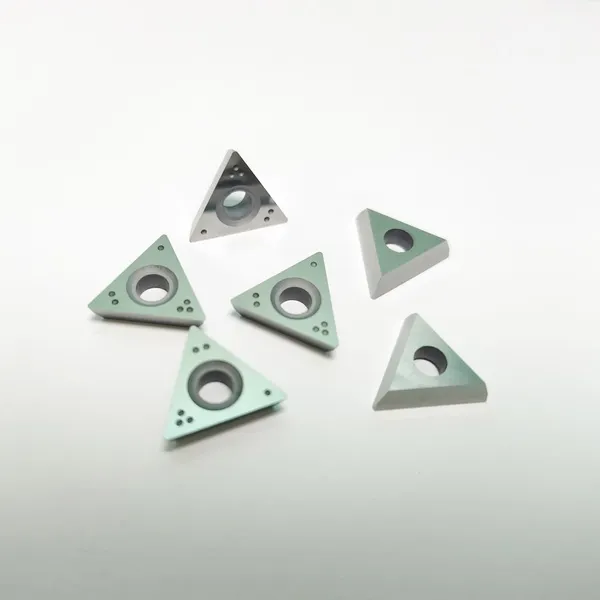
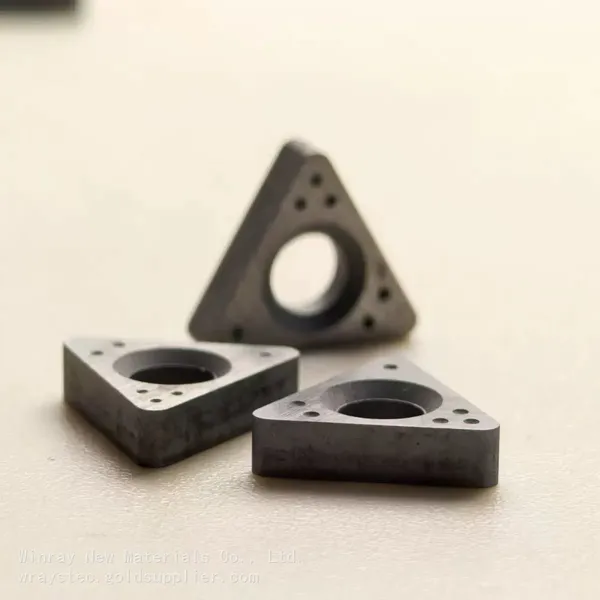
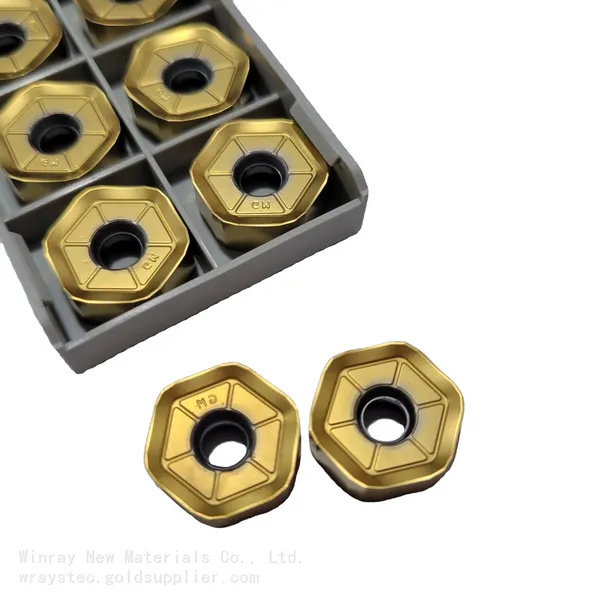
For centuries, metal dominated the world of cutting. But in high-stakes environments where steel softens and tools fail—think machining superalloys for jet engines or high-speed production lines—a quiet champion has emerged: the ceramic-coated metal cutting insert.
This isn't your everyday material. It’s a brilliant marriage of two worlds, a metal-ceramic composite often called a cermet. At its core lies a tough titanium carbide or carbonitride ceramic, bound together with a nickel or cobalt metal binder. This hybrid structure delivers the "best of both": the exceptional hardness, heat resistance, and chemical stability of ceramics, combined with the fracture resistance and durability of metal.
The real magic for cutting tools, however, is in the application. These inserts are frequently coated with advanced ceramic layers like Aluminum Oxide (Al₂O₃) or Titanium Aluminum Nitride (TiAlN) via chemical vapor deposition. This creates a cutting edge that is fundamentally different.
Why does this matter on the shop floor? The advantages are transformative:
Defying Heat: They can operate at temperatures where steel tools would catastrophically fail, maintaining their edge integrity and allowing for much higher cutting speeds.
Superior Surface Finish: Their resistance to wear and chemical reaction with the workpiece results in exceptional finish quality and tighter tolerances.
Crushing Hard Materials: They excel in machining hardened steels, cast irons, and abrasive alloys that rapidly wear out conventional tools.
Longevity: They offer significantly longer tool life in their specific applications, reducing changeover downtime and cost per part.
Of course, they are not a universal replacement. Their relative brittleness compared to tough carbide grades means they are less suited for interrupted cuts or unstable setups.
From the precisely machined components in your car’s engine to the critical parts in aerospace systems, ceramic-coated metal inserts are enabling faster, more precise, and more efficient manufacturing. They are a perfect example of how material science innovation—creating a composite that is greater than the sum of its parts—drives industrial progress, one incredibly durable, heat-defying cut at a time.
Recently Posted
-
Beyond Hardness: Why Cemented Carbide Wear Parts Are Your Best Defense Against Unplanned Downtime
August 28, 2026In the world of heavy industry, maintenance planners lose sleep over one thing: unplanned stoppage. When a wear part fails, the cl Read More
 -
CB50742: The Cast Iron Brake Disc Repair Insert You Need to Know About
August 28, 2026If you work in automotive machining or heavy equipment maintenance, you know that brake disc repair is one of the toughest jobs in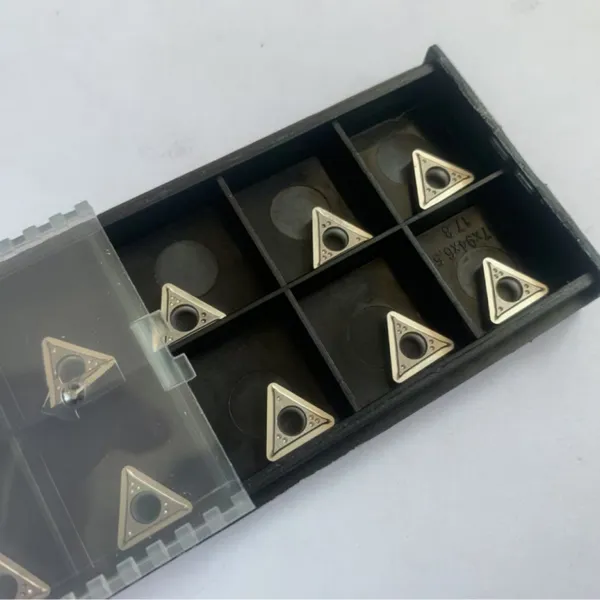 Read More
 -
Hardmetal (Cemented Carbide) Slips and Chucks
July 29, 2026In precision machining and workholding applications, hardmetal—also known as cemented carbide or tungsten carbide—plays a critical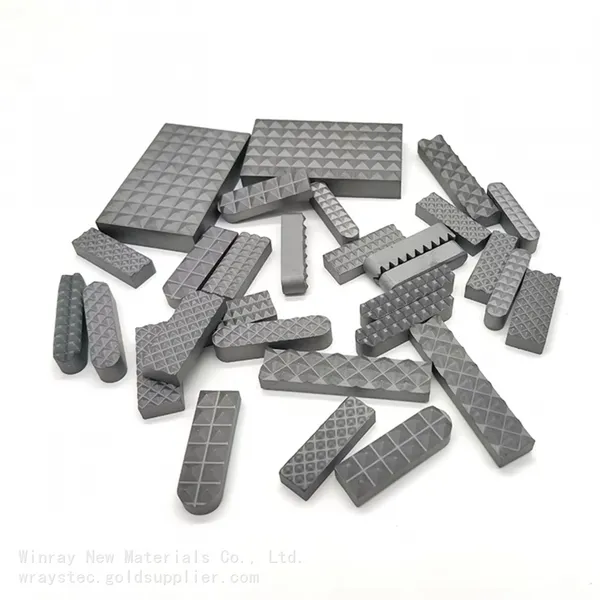 Read More
 -
Carbide Tipped Saw Blades: Unlocking Superior Cutting Performance Across Industries
July 16, 2026In the modern industrial ecosystem, precision cutting is non-negotiable. Whether you are processing engineered wood for high-end f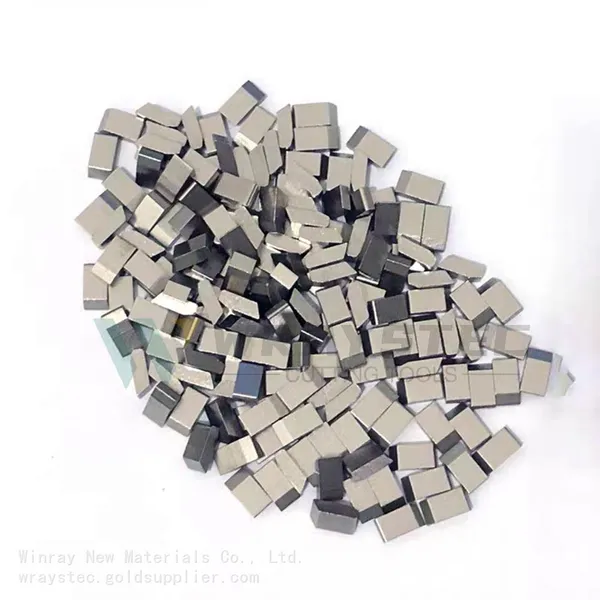 Read More

Contact Us
Recommended Products
-
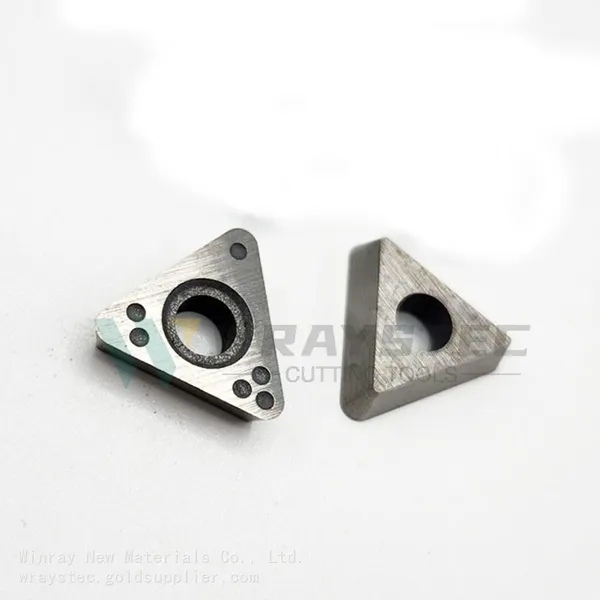
 Wear Resistance CB50742 Carbide Bits for Brake Lath Machine TPGX110308 Hi10 for Cast IronUS$ 1.05 - 2MOQ: 10 Blades
 -
Wear-resistant Cemented Carbide Stamping ComponentsNegotiableMOQ: 1 Unit
-
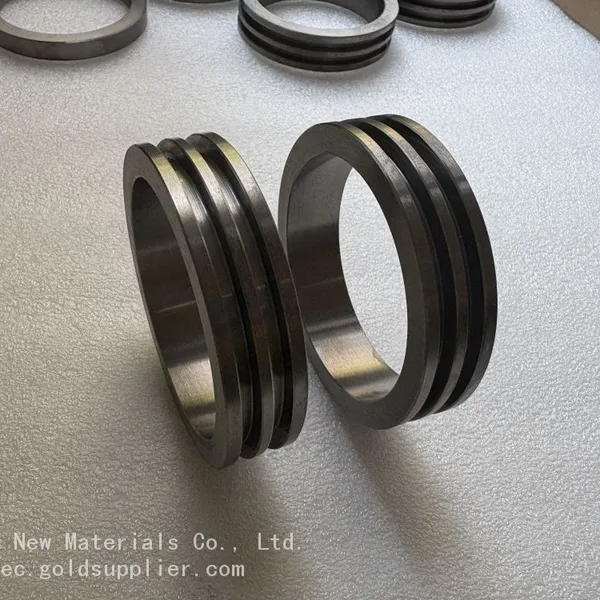
YG11 Tungsten Carbide Heavy-Duty Wear RingNegotiableMOQ: 1 Unit
-
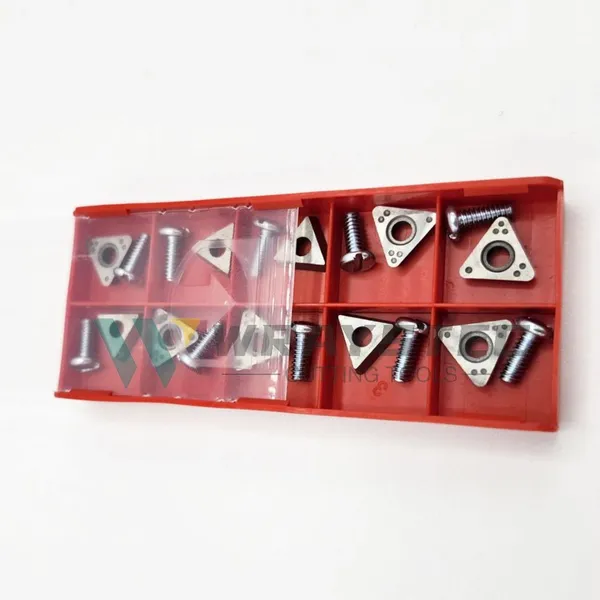
C2 Ammco Positive Rake Carbide Bits for RELS Model 45016 R08/10/12 RadiusUS$ 2.5 - 3MOQ: 50 Blades
-
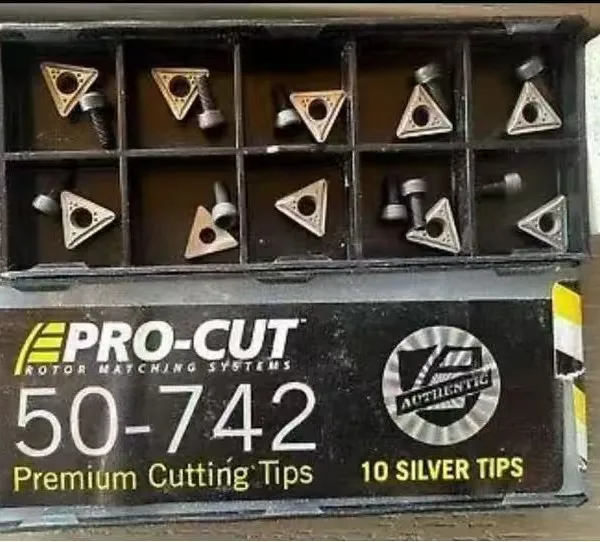
C2 Ammco Positive Rake Carbide Bits for RELS Model Brake Lathe 45016 RELS Carbide Bits RelacementsUS$ 2.5 - 3MOQ: 50 Blades
-
Holder Number 45703 Inserts Number CB90488 Replaces Accuturn Carbide Bit for Hard SteelUS$ 1.35 - 2.82MOQ: 10 Blades
-
CB90488 Replaces Accuturn Part Number 433796 Fits Accuturn Tool Holders: 433763, 433764, 434056, 434057, 434286, 433779US$ 1.35 - 2.82MOQ: 10 Blades
-
CB90488 Positive Rake Carbide Inserts for Accuturn Models 8911, 8922, 8944, 8989, 8991, 8993US$ 1.35 - 2.82MOQ: 10 Blades
-
Ammco 6914 Insert Can be Used on 6 Edges With Ammco Twin Cutter (6950)/ RELS Twin Cutter (40095) /negative Rake Tool Holder Set # 45701US$ 1.05 - 2MOQ: 10 Blades
-
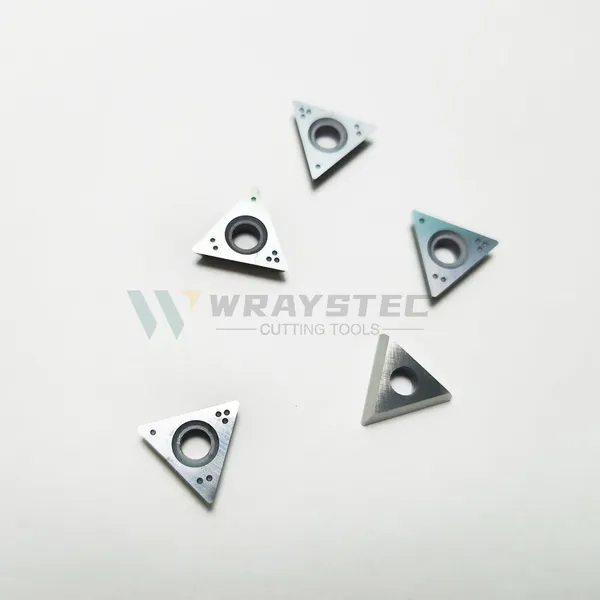
Negative Rake Carbide Inserts For Ammco Models 4000, 4100, 7000 Lathes CB6914/6918-10US$ 1.05 - 2MOQ: 10 Blades
-
Positive Rake Carbide Bits for Ammco Model 2000 Brake Lathe CB6914-10US$ 1.05 - 2MOQ: 10 Blades
-
Carbide Milling Tools HNGX0906 45 Degree Double Side Heavy Duty MachiningNegotiableMOQ: 10 Blades
-
Carbide Chuck Jaw Inserts for Pipe Chuck Clamp MechanicalNegotiableMOQ: 100 Blades
-
Modern Design High Precision Serdi Carbide Pilot for Guide Cutting MachineNegotiableMOQ: 10 Blades
-
Valve Seat Boring Machine Carbide Incisors Tungsten Carbide Valve Seat InsertsNegotiableMOQ: 10 Blades
-
ISO Standard and Best Price Carbide Tips Ss10 Carbide Stone Cutting TipsNegotiableMOQ: 20 Kilograms
-
Tungsten Carbide Composite Rods Welding Composite Rods High Wear Resistance for AgriculturalNegotiableMOQ: 10 Kilograms
-
Tungsten Carbide Composite Rod YD Rods YD-5 60/40 With Nickel Matrix AlloyNegotiableMOQ: 10 Kilograms
-
U-shape 40*4.4/4.7/5.0*15mm Diameter Granite Marble Stone Cutting Disc Saw Blade SegmentsNegotiableMOQ: 1 Blade
-
Diamond Saw Blades for Marble Block CuttingNegotiableMOQ: 1 Blade