 Business License

The Ultimate Guide to Carbide Brake lathe carbide bits Rotor Cutting Tools
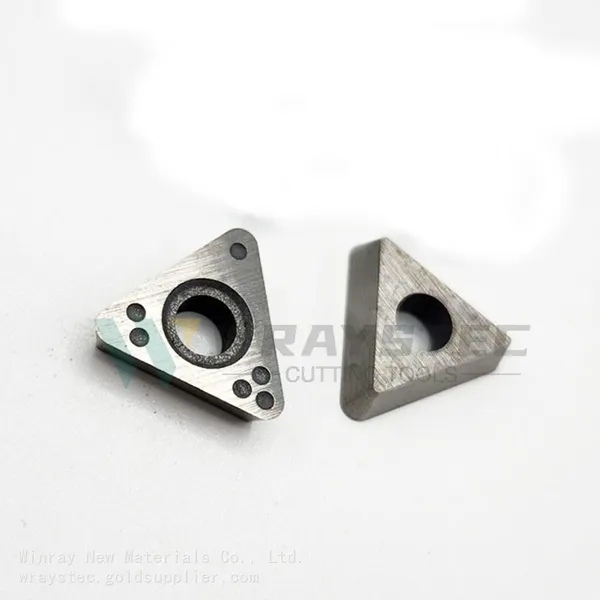
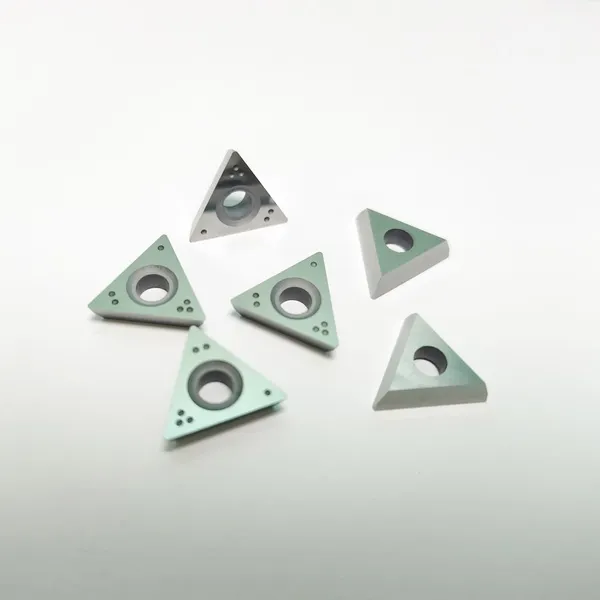
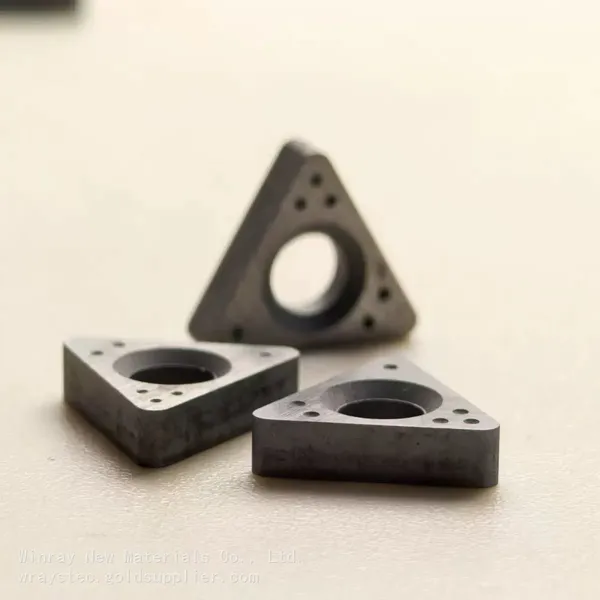
If you're in the automotive repair or manufacturing industry, you know that precision and efficiency are non-negotiable. When it comes to machining brake rotors, the choice of cutting tool is paramount. Enter the unsung hero: the Carbide Brake Rotor Cutting Insert.
Why Carbide? Brake rotors are typically made from cast iron—an abrasive material that quickly wears down ordinary steel tools. Cemented carbide (like K/YG grades) offers the perfect trifecta: exceptional hardness, wear resistance, and heat resistance. This allows for faster machining speeds, longer tool life between changes, and consistent finish quality, directly boosting your shop's productivity.
The Right Tool for the Job: Modern machining relies on indexable inserts. These small, replaceable carbide tips are mounted onto a dedicated toolholder, most notably with a 93° or 95° lead angle. This specific geometry is crucial as it prevents the holder from interfering with the rotor's complex shape during both face and diameter turning operations.
Choosing Your Insert:
Material: For most applications, coated carbide inserts (with TiAlN, Al₂O₃ coatings) are the cost-effective champion. They provide an extra shield against heat and abrasion. For ultra-high-volume production, PCD (Polycrystalline Diamond) inserts offer unmatched longevity.
Geometry: Use a robust, chip-breaking geometry for heavy roughing cuts to remove material quickly. Switch to a sharper, polished edge for fine finishing passes that deliver the smooth surface finish critical for proper brake function.
Pro-Tips for Performance:
Ensure inserts are securely clamped.
Optimize coolant use; many coated grades perform well in dry cutting for cast iron, aiding chip evacuation.
Monitor flank wear and replace inserts proactively to maintain part quality and avoid catastrophic failure.
Whether you're a small shop or a large manufacturer, investing in the right carbide brake rotor tooling isn't just about buying a blade—it's about investing in repeatability, efficiency, and customer satisfaction. Choose wisely and machine with confidence.
Recently Posted
-
Beyond Hardness: Why Cemented Carbide Wear Parts Are Your Best Defense Against Unplanned Downtime
August 28, 2026In the world of heavy industry, maintenance planners lose sleep over one thing: unplanned stoppage. When a wear part fails, the cl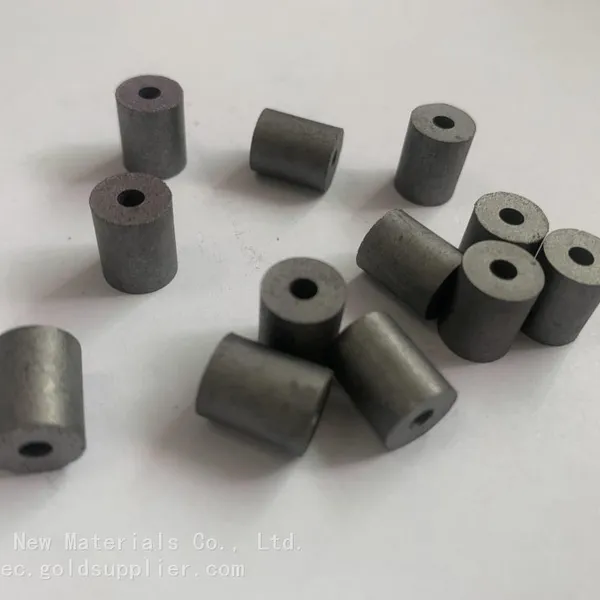 Read More
 -
CB50742: The Cast Iron Brake Disc Repair Insert You Need to Know About
August 28, 2026If you work in automotive machining or heavy equipment maintenance, you know that brake disc repair is one of the toughest jobs in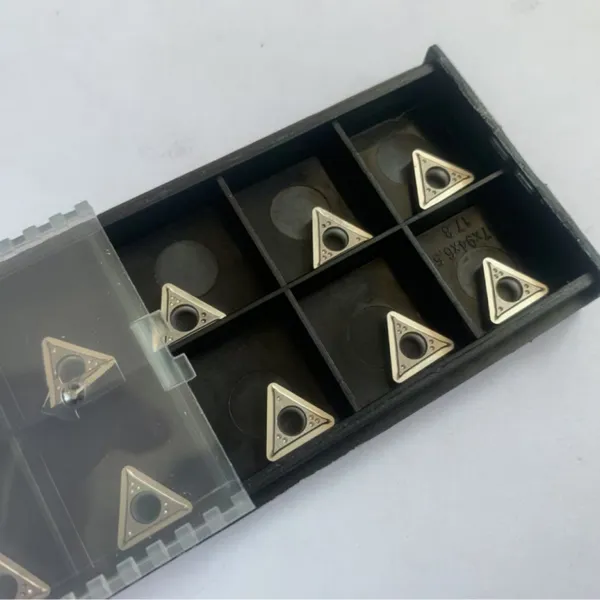 Read More
 -
Hardmetal (Cemented Carbide) Slips and Chucks
July 29, 2026In precision machining and workholding applications, hardmetal—also known as cemented carbide or tungsten carbide—plays a critical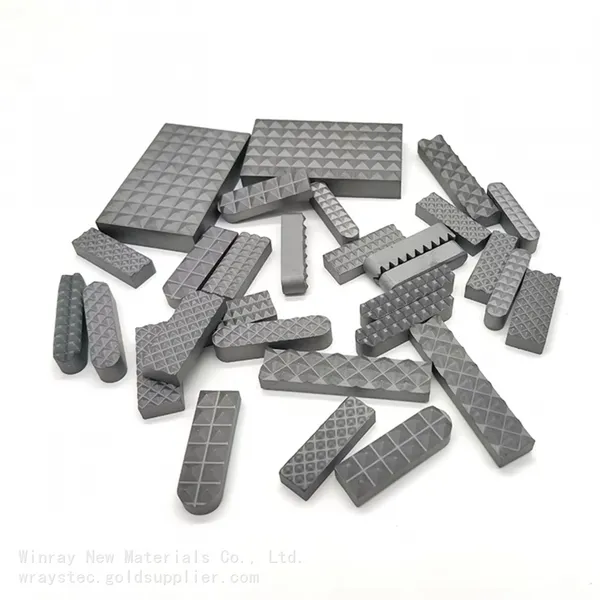 Read More
 -
Carbide Tipped Saw Blades: Unlocking Superior Cutting Performance Across Industries
July 16, 2026In the modern industrial ecosystem, precision cutting is non-negotiable. Whether you are processing engineered wood for high-end f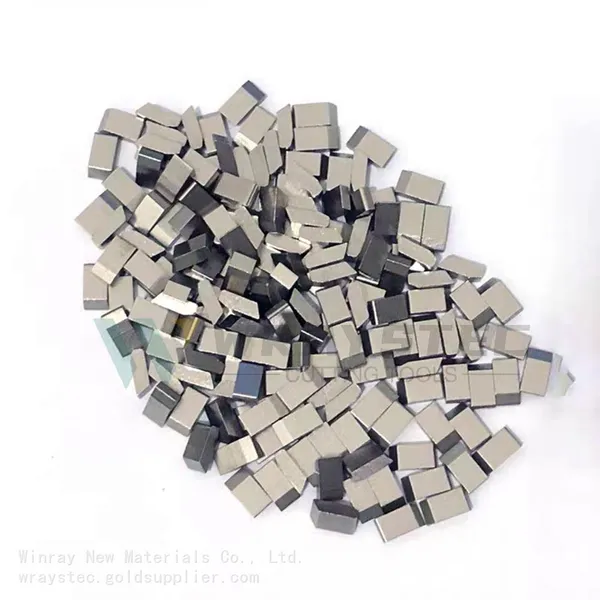 Read More

Contact Us
Recommended Products
-
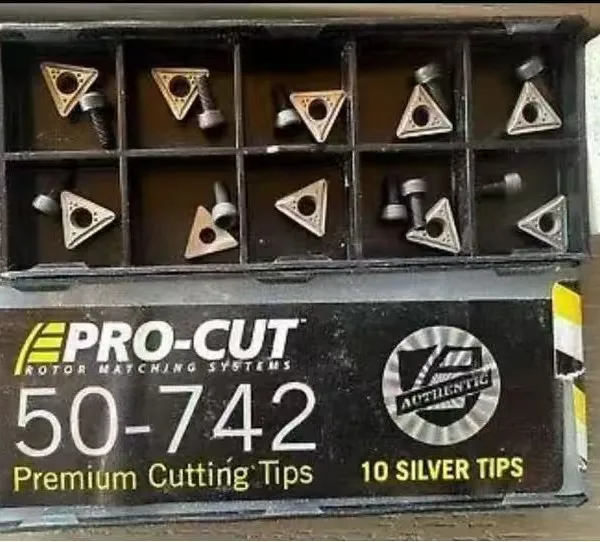
 Wear Resistance CB50742 Carbide Bits for Brake Lath Machine TPGX110308 Hi10 for Cast IronUS$ 1.05 - 2MOQ: 10 Blades
 -
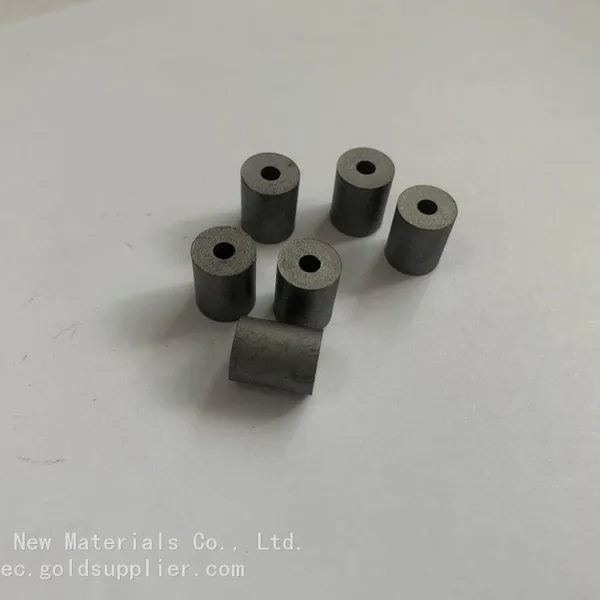
Wear-resistant Cemented Carbide Stamping ComponentsNegotiableMOQ: 1 Unit
-
YG11 Tungsten Carbide Heavy-Duty Wear RingNegotiableMOQ: 1 Unit
-
C2 Ammco Positive Rake Carbide Bits for RELS Model 45016 R08/10/12 RadiusUS$ 2.5 - 3MOQ: 50 Blades
-
C2 Ammco Positive Rake Carbide Bits for RELS Model Brake Lathe 45016 RELS Carbide Bits RelacementsUS$ 2.5 - 3MOQ: 50 Blades
-
Holder Number 45703 Inserts Number CB90488 Replaces Accuturn Carbide Bit for Hard SteelUS$ 1.35 - 2.82MOQ: 10 Blades
-
CB90488 Replaces Accuturn Part Number 433796 Fits Accuturn Tool Holders: 433763, 433764, 434056, 434057, 434286, 433779US$ 1.35 - 2.82MOQ: 10 Blades
-
CB90488 Positive Rake Carbide Inserts for Accuturn Models 8911, 8922, 8944, 8989, 8991, 8993US$ 1.35 - 2.82MOQ: 10 Blades
-
Ammco 6914 Insert Can be Used on 6 Edges With Ammco Twin Cutter (6950)/ RELS Twin Cutter (40095) /negative Rake Tool Holder Set # 45701US$ 1.05 - 2MOQ: 10 Blades
-
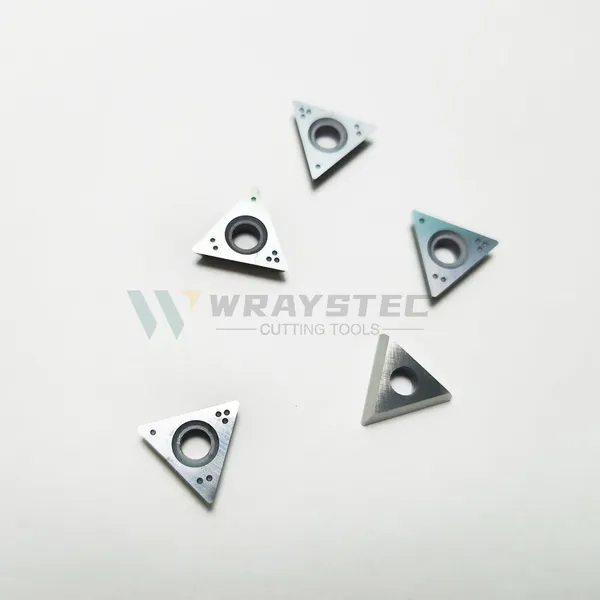
Negative Rake Carbide Inserts For Ammco Models 4000, 4100, 7000 Lathes CB6914/6918-10US$ 1.05 - 2MOQ: 10 Blades
-
Positive Rake Carbide Bits for Ammco Model 2000 Brake Lathe CB6914-10US$ 1.05 - 2MOQ: 10 Blades
-
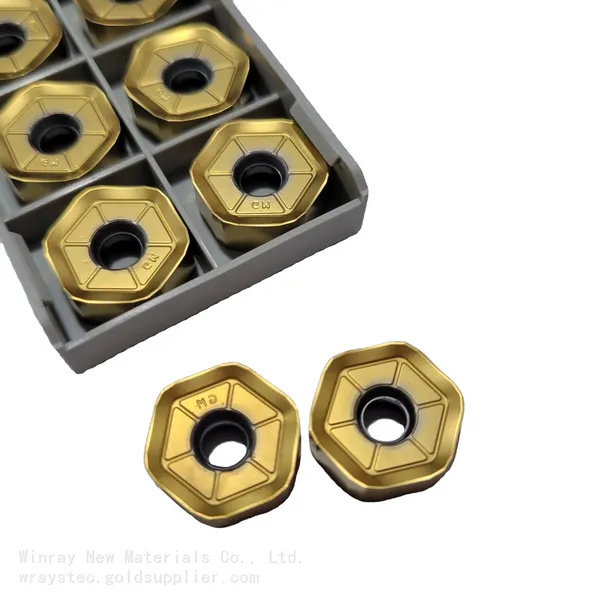
Carbide Milling Tools HNGX0906 45 Degree Double Side Heavy Duty MachiningNegotiableMOQ: 10 Blades
-
Carbide Chuck Jaw Inserts for Pipe Chuck Clamp MechanicalNegotiableMOQ: 100 Blades
-
Modern Design High Precision Serdi Carbide Pilot for Guide Cutting MachineNegotiableMOQ: 10 Blades
-
Valve Seat Boring Machine Carbide Incisors Tungsten Carbide Valve Seat InsertsNegotiableMOQ: 10 Blades
-
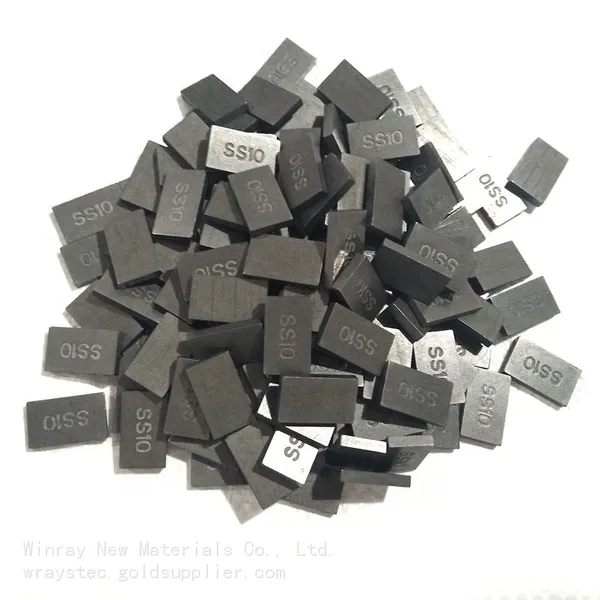
ISO Standard and Best Price Carbide Tips Ss10 Carbide Stone Cutting TipsNegotiableMOQ: 20 Kilograms
-
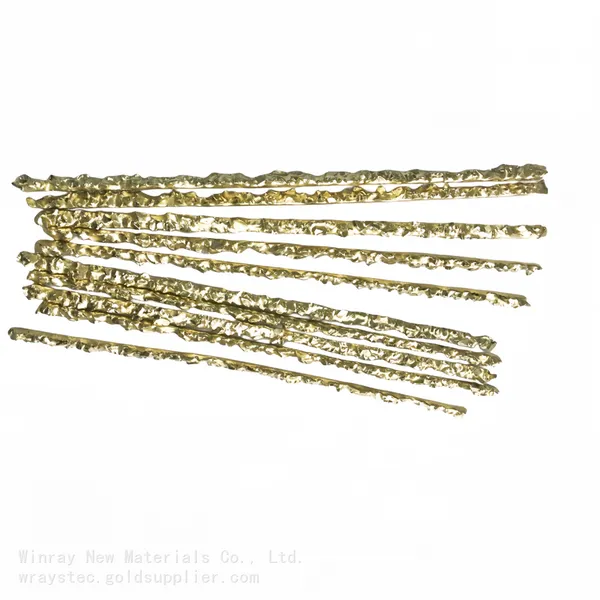
Tungsten Carbide Composite Rods Welding Composite Rods High Wear Resistance for AgriculturalNegotiableMOQ: 10 Kilograms
-
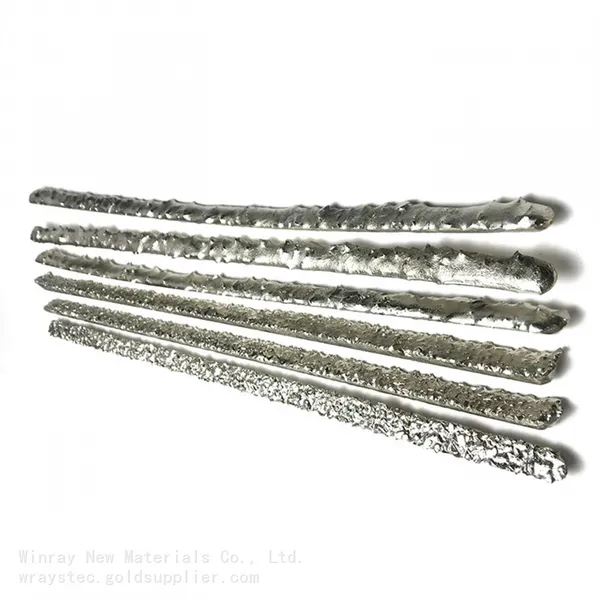
Tungsten Carbide Composite Rod YD Rods YD-5 60/40 With Nickel Matrix AlloyNegotiableMOQ: 10 Kilograms
-
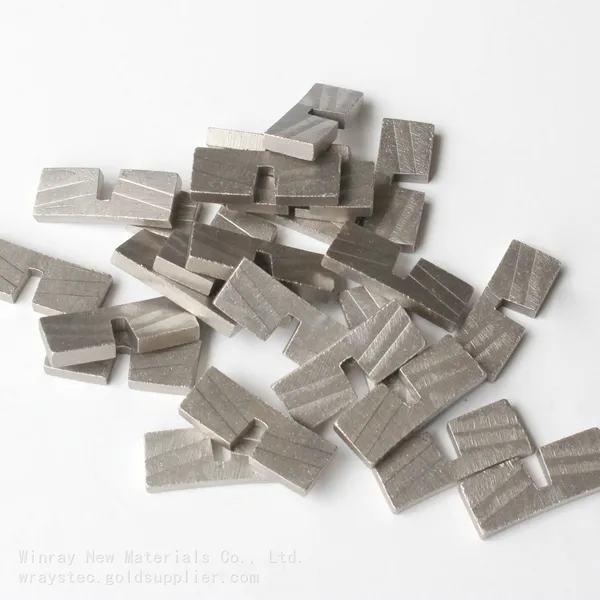
U-shape 40*4.4/4.7/5.0*15mm Diameter Granite Marble Stone Cutting Disc Saw Blade SegmentsNegotiableMOQ: 1 Blade
-
Diamond Saw Blades for Marble Block CuttingNegotiableMOQ: 1 Blade