 Business License

CBN Tooling: The Hard Facts on Machining Hardened Steel and Beyond
**Beyond the Diamond: When CBN Takes the Crown**
In the world of ultra-hard cutting materials, Polycrystalline Diamond (PCD) gets much of the limelight. But for one of the most demanding categories of machining—hardened steels and ferrous alloys above 45 HRC—a different super-abrasive reigns supreme: **Cubic Boron Nitride (CBN).**
Often called the second-hardest material on Earth, CBN is the engineered answer to the challenge that diamond can't solve: the high-temperature, chemically reactive world of ferrous metal cutting. While diamond dissolves in the presence of iron, CBN thrives. This post dives into the world of CBN tooling, exploring its ideal applications, key advantages, and how to harness its power for maximum productivity.
**The Genesis of CBN: A Material Born for a Mission**
CBN is a synthetic material, created by bonding microscopic cubic boron nitride crystals under extreme heat and pressure. This process results in two primary forms relevant to metal cutting:
* **Low-Content CBN (or CBN-L):** Typically 40-65% CBN grains in a ceramic/metallic binder. This grade prioritizes toughness, making it the undisputed choice for **continuous machining of hardened steels** and for **interrupted cuts** like milling.
* **High-Content CBN (or CBN-H):** Comprising 80-95% CBN grains, this grade offers maximum hardness and wear resistance. It is engineered for **precision finishing** of hardened steels, cast irons, and hard-coatings under stable, continuous cutting conditions.
This fundamental distinction between **toughness-oriented** and **wear-resistant** grades is the first key to unlocking CBN's potential.
**The Core Applications: Where CBN Shines**
CBN's unique properties make it the default solution for several critical industrial challenges:
1. **Machining Hardened Steels (45-68+ HRC):** This is CBN's flagship application. It transforms processes like **hard turning** and **hard milling**, allowing manufacturers to machine finished components post-heat-treatment. This eliminates slow, costly grinding operations in many cases, enabling:
* **Process Consolidation:** Complete a part from soft to hard state on a single CNC lathe or mill.
* **Geometric Freedom:** Create complex profiles and forms that are difficult or impossible with a grinding wheel.
* **Dry Machining:** CBN's thermal stability often allows machining without coolant, simplifying the process and reducing environmental impact.
2. **High-Speed Machining of Gray and Ductile Cast Irons:** For finishing operations on engine blocks, brake rotors, and pump components, CBN provides exceptional tool life and surface finish at high cutting speeds, far outperforming carbide or ceramics.
3. **Superalloy Machining:** While not always the first choice for nickel-based superalloys, specific CBN grades can effectively machine these materials in certain finishing applications where high heat and abrasion are primary concerns.
4. **Hard-Coating & Reclamation Work:** CBN is effective for machining hardfacing materials like Stellite or for skimming ceramic thermal barrier coatings.
**The Tangible Benefits: Why Switch to CBN?**
Adopting CBN tooling is an investment that yields clear returns:
* **Radically Increased Productivity:** Cutting speeds with CBN are typically **3-10x higher** than with carbide in hardened steel. This dramatically reduces cycle times.
* **Superior Surface Integrity:** CBN tools can produce exceptional surface finishes (often <0.4 μm Ra), reducing or eliminating secondary polishing. They also induce minimal residual stress or micro-cracking in the workpiece.
* **Exceptional Dimensional Stability:** The extreme wear resistance of CBN leads to minimal tool radius change over long production runs. This ensures part dimensions remain consistent, critical for high-volume precision components like bearings or transmission parts.
* **Process Reliability & Predictability:** CBN tools fail gradually through uniform flank wear, not by catastrophic chipping (when applied correctly). This enables predictable tool life management and prevents scrapped parts.
**Critical Considerations for Successful CBN Implementation**
To harness these benefits, the application must respect CBN's characteristics:
1. **The "Hard Enough" Rule:** **The workpiece material must be harder than 45 HRC for CBN to be effective.** Using it on soft steel will cause excessive crater wear and rapid failure due to chemical interaction. It is a tool for hard parts.
2. **Machine Tool Rigidity is Non-Negotiable:** CBN operations demand an absolutely rigid setup. Any vibration or chatter will shatter the cutting edge. The machine must be robust, with minimal runout, and the workpiece must be securely clamped.
3. **Optimized Cutting Parameters:**
* **Speed is Your Friend:** Operate in the high-speed range recommended for the CBN grade (often 100-400+ m/min for hardened steel). Running too slow increases heat in the cutting zone and accelerates wear.
* **Light to Moderate Feeds:** Use stable, consistent feeds.
* **Depth of Cut:** Typically kept low (<0.5mm) for finishing, but specific roughing CBN grades can handle larger depths.
4. **Coolant Strategy:** The choice is binary. **Either use high-pressure, through-tool coolant** aimed perfectly at the cutting edge to quench heat and evacuate chips, or **machine completely dry**. A weak or misdirected coolant flow can cause thermal shock and fracture the CBN edge.
**The Future of CBN: Smarter, More Versatile**
CBN technology is not static. Innovations are expanding its reach:
* **Advanced Micro-Grain Structures and Binders:** New grades are pushing the toughness-wear resistance envelope, creating more versatile, application-specific tools.
* **Complex Geometries on Solid CBN Blanks:** Wire EDM and laser machining now allow for intricate chipbreakers, wiper geometries, and complex form tools in solid CBN, opening new possibilities for high-volume finishing.
* **Hybrid Tool Designs:** Strategically placed CBN tips in milling cutter bodies combine the performance of CBN with the economic and clamping advantages of modular tooling.
**Conclusion: A Strategic Asset for Advanced Manufacturing**
CBN tooling is not merely a "harder" insert. It is a **systemic solution** for specific, high-value manufacturing challenges. It represents a shift from abrasive, stock-removal processes to precision, chip-forming cutting.
For manufacturers facing the challenges of hardened materials, investing in CBN—coupled with the necessary process engineering and machine tool readiness—is a direct path to **reduced costs, faster throughput, and superior part quality.** It’s the cutting tool that turns the "unmachinable" into a routine, profitable operation.
Recently Posted
-
Beyond Hardness: Why Cemented Carbide Wear Parts Are Your Best Defense Against Unplanned Downtime
August 28, 2026In the world of heavy industry, maintenance planners lose sleep over one thing: unplanned stoppage. When a wear part fails, the cl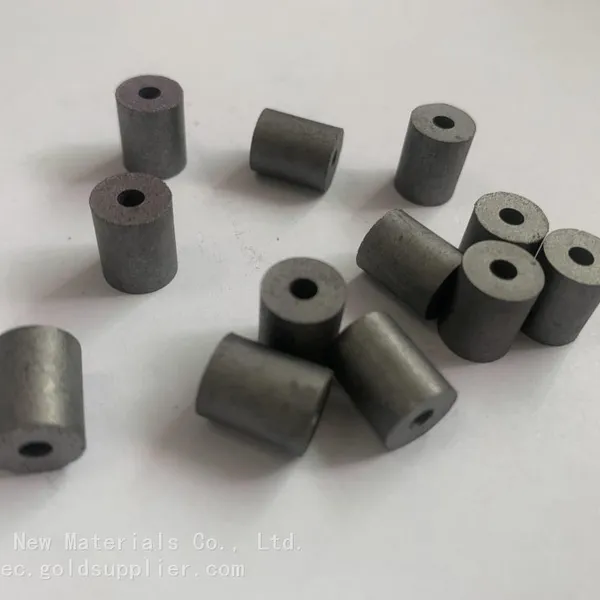 Read More
 -
CB50742: The Cast Iron Brake Disc Repair Insert You Need to Know About
August 28, 2026If you work in automotive machining or heavy equipment maintenance, you know that brake disc repair is one of the toughest jobs in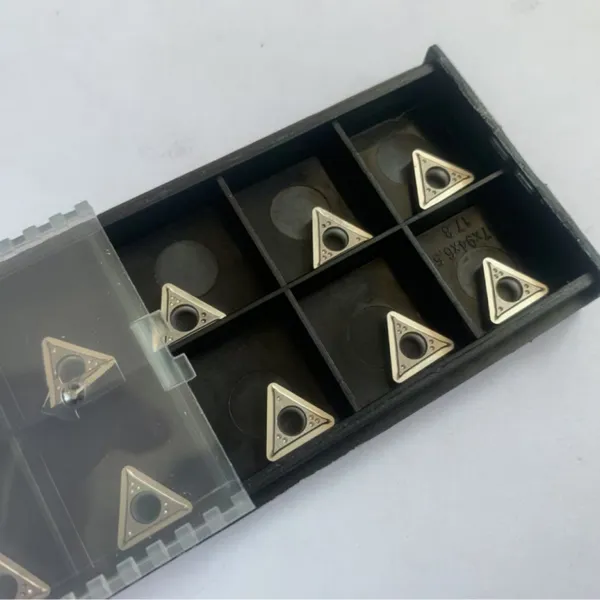 Read More
 -
Hardmetal (Cemented Carbide) Slips and Chucks
July 29, 2026In precision machining and workholding applications, hardmetal—also known as cemented carbide or tungsten carbide—plays a critical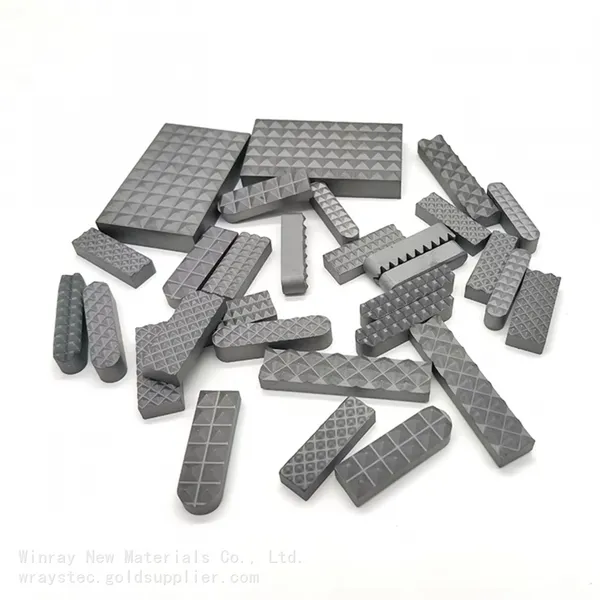 Read More
 -
Carbide Tipped Saw Blades: Unlocking Superior Cutting Performance Across Industries
July 16, 2026In the modern industrial ecosystem, precision cutting is non-negotiable. Whether you are processing engineered wood for high-end f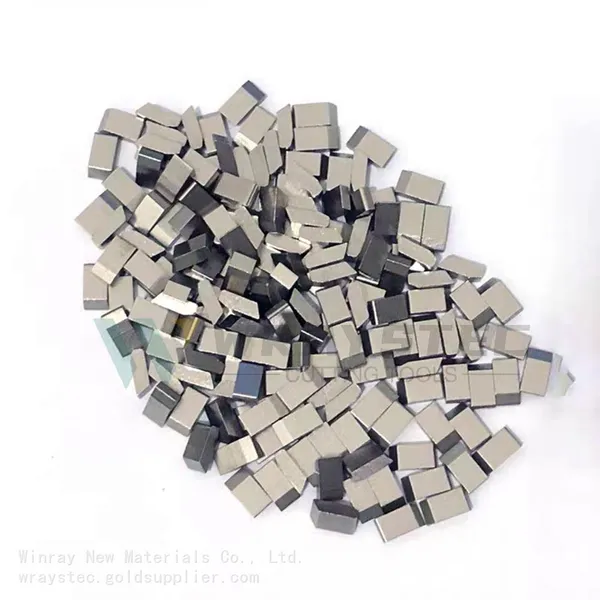 Read More

Contact Us
Recommended Products
-
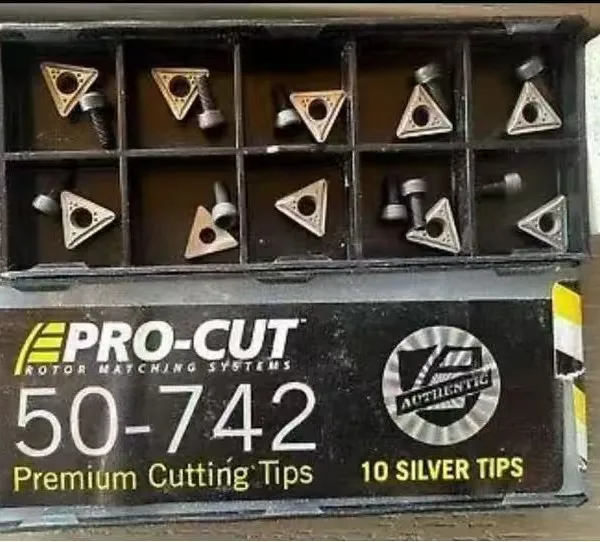
 Wear Resistance CB50742 Carbide Bits for Brake Lath Machine TPGX110308 Hi10 for Cast IronUS$ 1.05 - 2MOQ: 10 Blades
 -
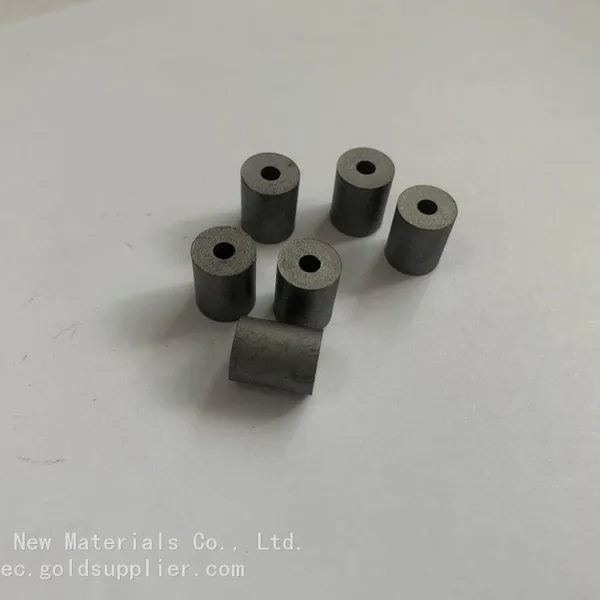
Wear-resistant Cemented Carbide Stamping ComponentsNegotiableMOQ: 1 Unit
-
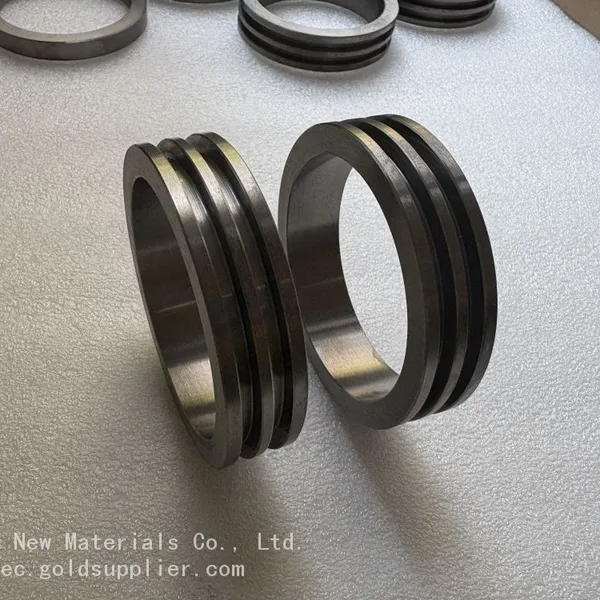
YG11 Tungsten Carbide Heavy-Duty Wear RingNegotiableMOQ: 1 Unit
-
C2 Ammco Positive Rake Carbide Bits for RELS Model 45016 R08/10/12 RadiusUS$ 2.5 - 3MOQ: 50 Blades
-
C2 Ammco Positive Rake Carbide Bits for RELS Model Brake Lathe 45016 RELS Carbide Bits RelacementsUS$ 2.5 - 3MOQ: 50 Blades
-
Holder Number 45703 Inserts Number CB90488 Replaces Accuturn Carbide Bit for Hard SteelUS$ 1.35 - 2.82MOQ: 10 Blades
-
CB90488 Replaces Accuturn Part Number 433796 Fits Accuturn Tool Holders: 433763, 433764, 434056, 434057, 434286, 433779US$ 1.35 - 2.82MOQ: 10 Blades
-
CB90488 Positive Rake Carbide Inserts for Accuturn Models 8911, 8922, 8944, 8989, 8991, 8993US$ 1.35 - 2.82MOQ: 10 Blades
-
Ammco 6914 Insert Can be Used on 6 Edges With Ammco Twin Cutter (6950)/ RELS Twin Cutter (40095) /negative Rake Tool Holder Set # 45701US$ 1.05 - 2MOQ: 10 Blades
-
Negative Rake Carbide Inserts For Ammco Models 4000, 4100, 7000 Lathes CB6914/6918-10US$ 1.05 - 2MOQ: 10 Blades
-
Positive Rake Carbide Bits for Ammco Model 2000 Brake Lathe CB6914-10US$ 1.05 - 2MOQ: 10 Blades
-
Carbide Milling Tools HNGX0906 45 Degree Double Side Heavy Duty MachiningNegotiableMOQ: 10 Blades
-
Carbide Chuck Jaw Inserts for Pipe Chuck Clamp MechanicalNegotiableMOQ: 100 Blades
-
Modern Design High Precision Serdi Carbide Pilot for Guide Cutting MachineNegotiableMOQ: 10 Blades
-
Valve Seat Boring Machine Carbide Incisors Tungsten Carbide Valve Seat InsertsNegotiableMOQ: 10 Blades
-
ISO Standard and Best Price Carbide Tips Ss10 Carbide Stone Cutting TipsNegotiableMOQ: 20 Kilograms
-
Tungsten Carbide Composite Rods Welding Composite Rods High Wear Resistance for AgriculturalNegotiableMOQ: 10 Kilograms
-
Tungsten Carbide Composite Rod YD Rods YD-5 60/40 With Nickel Matrix AlloyNegotiableMOQ: 10 Kilograms
-
U-shape 40*4.4/4.7/5.0*15mm Diameter Granite Marble Stone Cutting Disc Saw Blade SegmentsNegotiableMOQ: 1 Blade
-
Diamond Saw Blades for Marble Block CuttingNegotiableMOQ: 1 Blade