 Business License

With tungsten carbide prices continuing to rise, how should distributors respond?
As a crucial raw material for hard alloys, the continuous increase in tungsten carbide prices presents significant challenges for distributors in terms of supply chain management, financial pressure, and customer relationships. The following provides systematic response strategies for distributors from three perspectives: short-term emergency measures, medium-term adjustments, and long-term strategies:
I. Short-Term Emergency Measures (within 1-3 months)
Refined Inventory Management
Dynamic Inventory Counting: Prioritize the sale of high-profit or fast-moving models. Consider moderate price reductions for slow-moving models to clear inventory and recover funds.
Safety Stock Warning: Recalculate safety stock levels based on delivery cycles and price fluctuation trends to avoid stockouts or excessive inventory accumulation.
Cautious Price Locking: Negotiate short-term price locking agreements with suppliers, but assess the risk of breach of contract to avoid being stuck with high-priced inventory during market downturns.
Customer Communication and Contract Adjustment
Transparent Communication: Proactively explain the market situation to long-term customers, providing data (such as industry indices and raw material cost increase trends) to gain their understanding.
Price Linkage Mechanism: For new orders or long-term agreements, try introducing a "base price + floating formula" (e.g., linked to the tungsten ore index) to share risks.
Shorten Quotation Validity Period: Shorten the original 30-day quotation period to 7-15 days to reduce the risk of price inversions.
Supply Chain Sourcing Optimization
Develop Backup Suppliers: Even if costs are not immediately reduced, this can diversify the risk of supply disruption and avoid reliance on a single upstream supplier.
Small-Batch, High-Frequency Procurement: Under controllable logistics costs, test market prices through frequent small orders to avoid concentrated high-priced purchases.
II. Mid-Term Strategy Adjustment (3-12 months)
Product and Customer Structure Optimization
Focus on high-value-added areas: Gradually shift towards higher-margin downstream products such as high-end cemented carbide and precision machined parts, reducing reliance on low-margin standard parts.
Customer segmentation and management: For customers with low profit contributions, high price sensitivity, and slow payment cycles, moderately increase transaction terms or reduce their share; prioritize supplying core, high-quality customers.
Provide value-added services: Such as assisting customers in optimizing material usage and recommending alternative solutions (e.g., gradient alloys, coating technologies) to enhance customer loyalty.
Supply Chain Finance and Fund Management
Utilize financial instruments: Alleviate financial pressure through methods such as warehouse receipt pledging and accounts receivable factoring, or explore "back-to-back letters of credit" with upstream partners to reduce procurement capital requirements.
Strategic inventory management: If an upward trend is anticipated to be long-term, consider signing long-term agreements with downstream customers and then using futures hedging or targeted financing to lock in costs through phased inventory accumulation.
Technical Alternative Solutions Reserve
R&D collaboration: Collaborate with material laboratories or universities to test non-standard models and recycling solutions (e.g., cobalt removal technology), providing alternatives for cost-sensitive customers.
Data monitoring system: Establish a price forecasting model to track variables such as tungsten ore production capacity, environmental policies, and new energy demand (e.g., photovoltaic silicon wafer cutting lines) to predict price turning points.
III. Long-Term Strategic Transformation (1 year or more)
Vertical Extension of the Industrial Chain
Upstream Equity Investment or Strategic Cooperation: Establish equity or off-take agreements with small and medium-sized mines or smelters to enhance control over raw materials.
Downstream Light-Asset Extension: Invest in niche areas of cemented carbide tools (such as mining teeth and CNC inserts), directly targeting the end market to improve profit margins.
Green Circular Economy Layout
Develop Recycling Business: Acquire or cooperate with tungsten carbide waste recycling companies (such as cemented carbide crushing and zinc melting treatment) to form a closed-loop system of "recycling-regeneration-sales," hedging against fluctuations in raw material prices.
Develop Low-Carbon Material Solutions: Respond to the carbon neutrality trend, promote the certification of recycled tungsten carbide, and meet the ESG needs of downstream companies.
Digitalization and Ecological Upgrade
Build a Supply Chain Collaboration Platform: Connect upstream and downstream through digital tools to achieve demand forecasting, inventory sharing, and automatic replenishment, reducing overall chain costs.
Join Industry Alliances: Participate in industry associations or purchasing alliances to enhance bargaining power and obtain policy and market information.
Risk Warnings and Precautions
Avoid speculative stockpiling: Excessive leveraged stockpiling may lead to cash flow disruptions at price turning points.
Use financial derivatives cautiously: If you lack a professional team, avoid direct participation in futures speculation. Consider hedging through tools such as "price fluctuation insurance" purchased from insurance companies.
Do not compromise on quality: Under cost pressure, strictly prohibit substituting inferior goods for superior ones, otherwise it will damage your reputation in the long run.
Summary
The rising price of tungsten carbide is both a challenge and an opportunity for industry consolidation. Distributors should shift from "passively bearing pressure" to "proactive management," gradually transforming from traditional traders to supply chain service providers and technology solution providers by stabilizing cash flow in the short term, adjusting customer structure in the medium term, and pursuing supply chain extension in the long term. In a volatile market, only companies with sophisticated operational capabilities and strong ecological collaboration abilities can continuously capture value.
Recently Posted
-
Beyond Hardness: Why Cemented Carbide Wear Parts Are Your Best Defense Against Unplanned Downtime
August 28, 2026In the world of heavy industry, maintenance planners lose sleep over one thing: unplanned stoppage. When a wear part fails, the cl Read More
 -
CB50742: The Cast Iron Brake Disc Repair Insert You Need to Know About
August 28, 2026If you work in automotive machining or heavy equipment maintenance, you know that brake disc repair is one of the toughest jobs in Read More
 -
Hardmetal (Cemented Carbide) Slips and Chucks
July 29, 2026In precision machining and workholding applications, hardmetal—also known as cemented carbide or tungsten carbide—plays a critical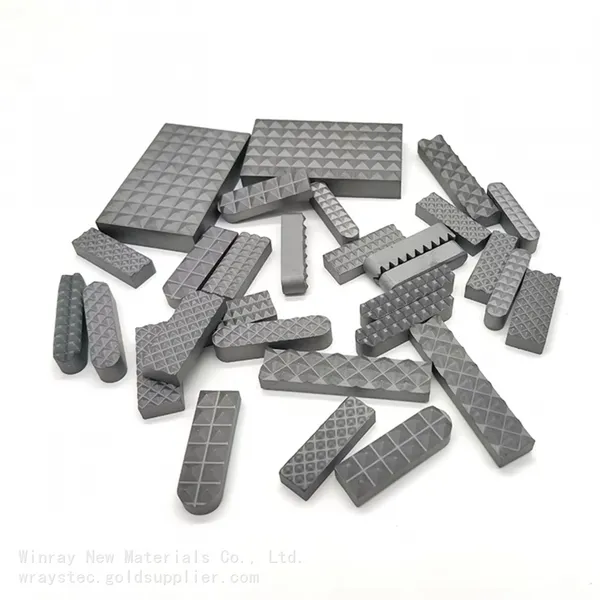 Read More
 -
Carbide Tipped Saw Blades: Unlocking Superior Cutting Performance Across Industries
July 16, 2026In the modern industrial ecosystem, precision cutting is non-negotiable. Whether you are processing engineered wood for high-end f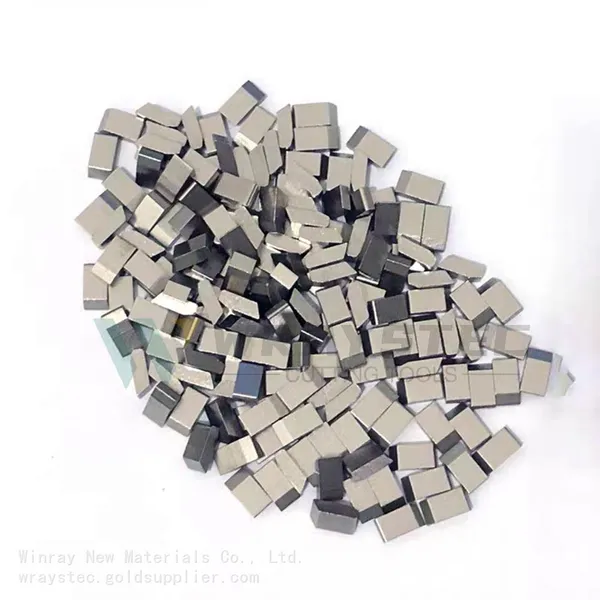 Read More

Contact Us
Recommended Products
-
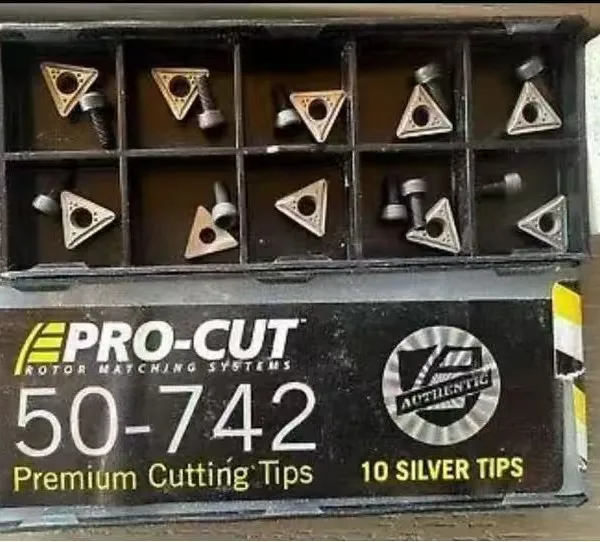
 Wear Resistance CB50742 Carbide Bits for Brake Lath Machine TPGX110308 Hi10 for Cast IronUS$ 1.05 - 2MOQ: 10 Blades
 -
Wear-resistant Cemented Carbide Stamping ComponentsNegotiableMOQ: 1 Unit
-
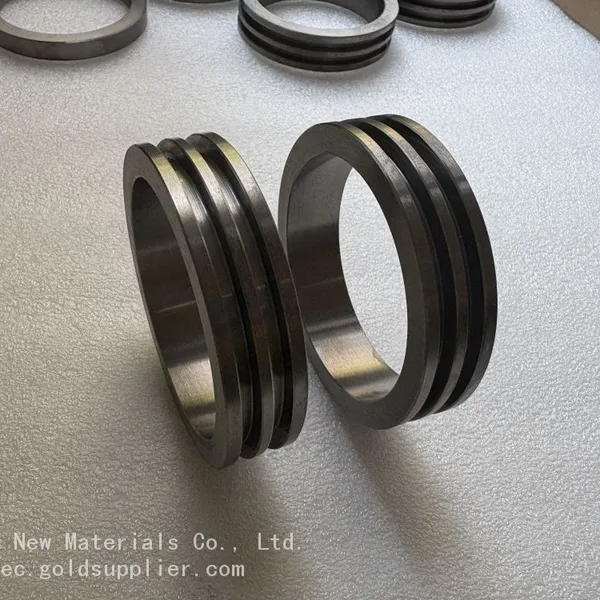
YG11 Tungsten Carbide Heavy-Duty Wear RingNegotiableMOQ: 1 Unit
-
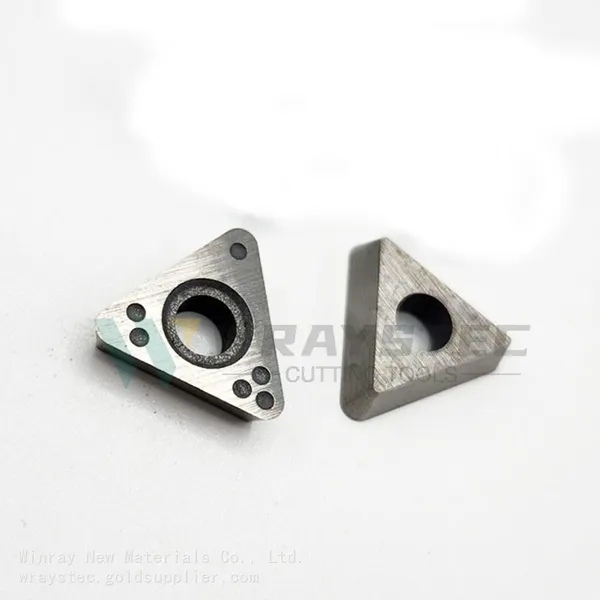
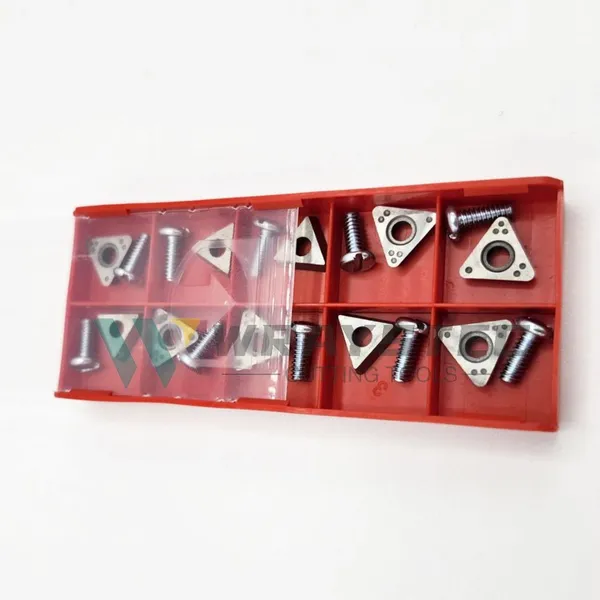
C2 Ammco Positive Rake Carbide Bits for RELS Model 45016 R08/10/12 RadiusUS$ 2.5 - 3MOQ: 50 Blades
-
C2 Ammco Positive Rake Carbide Bits for RELS Model Brake Lathe 45016 RELS Carbide Bits RelacementsUS$ 2.5 - 3MOQ: 50 Blades
-
Holder Number 45703 Inserts Number CB90488 Replaces Accuturn Carbide Bit for Hard SteelUS$ 1.35 - 2.82MOQ: 10 Blades
-
CB90488 Replaces Accuturn Part Number 433796 Fits Accuturn Tool Holders: 433763, 433764, 434056, 434057, 434286, 433779US$ 1.35 - 2.82MOQ: 10 Blades
-
CB90488 Positive Rake Carbide Inserts for Accuturn Models 8911, 8922, 8944, 8989, 8991, 8993US$ 1.35 - 2.82MOQ: 10 Blades
-
Ammco 6914 Insert Can be Used on 6 Edges With Ammco Twin Cutter (6950)/ RELS Twin Cutter (40095) /negative Rake Tool Holder Set # 45701US$ 1.05 - 2MOQ: 10 Blades
-
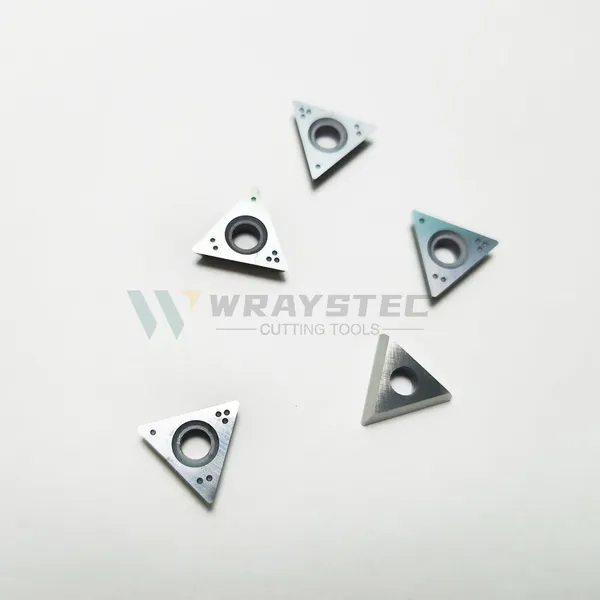
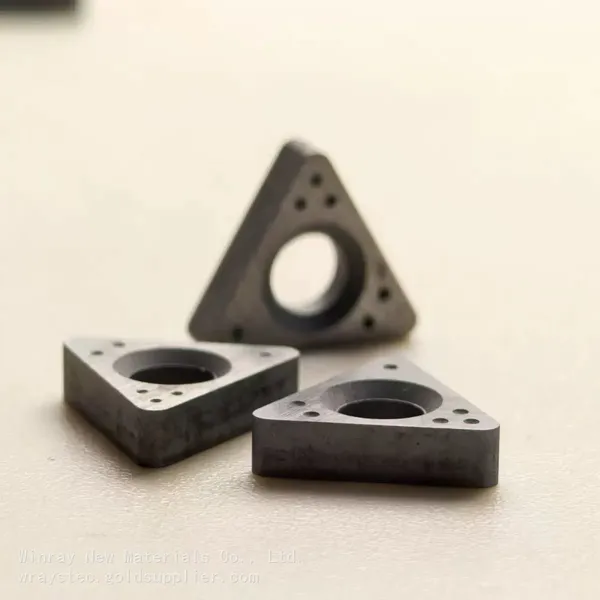
Negative Rake Carbide Inserts For Ammco Models 4000, 4100, 7000 Lathes CB6914/6918-10US$ 1.05 - 2MOQ: 10 Blades
-
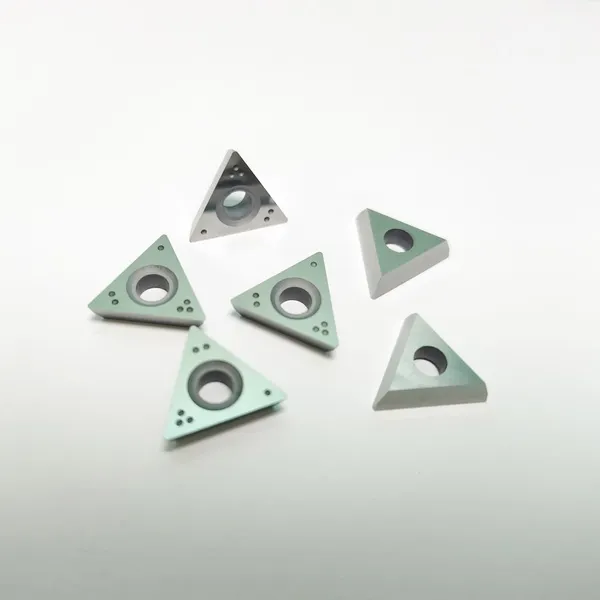
Positive Rake Carbide Bits for Ammco Model 2000 Brake Lathe CB6914-10US$ 1.05 - 2MOQ: 10 Blades
-
Carbide Milling Tools HNGX0906 45 Degree Double Side Heavy Duty MachiningNegotiableMOQ: 10 Blades
-
Carbide Chuck Jaw Inserts for Pipe Chuck Clamp MechanicalNegotiableMOQ: 100 Blades
-
Modern Design High Precision Serdi Carbide Pilot for Guide Cutting MachineNegotiableMOQ: 10 Blades
-
Valve Seat Boring Machine Carbide Incisors Tungsten Carbide Valve Seat InsertsNegotiableMOQ: 10 Blades
-
ISO Standard and Best Price Carbide Tips Ss10 Carbide Stone Cutting TipsNegotiableMOQ: 20 Kilograms
-
Tungsten Carbide Composite Rods Welding Composite Rods High Wear Resistance for AgriculturalNegotiableMOQ: 10 Kilograms
-
Tungsten Carbide Composite Rod YD Rods YD-5 60/40 With Nickel Matrix AlloyNegotiableMOQ: 10 Kilograms
-
U-shape 40*4.4/4.7/5.0*15mm Diameter Granite Marble Stone Cutting Disc Saw Blade SegmentsNegotiableMOQ: 1 Blade
-
Diamond Saw Blades for Marble Block CuttingNegotiableMOQ: 1 Blade