 Business License

Why are Tungsten Carbide Prices Continuously Rising?
The continuous rise in tungsten carbide prices is the result of a combination of factors, mainly including the following:
1. Tight Raw Material Supply
Limited tungsten ore mining: China is the world's largest tungsten resource country and producer, but in recent years, stricter environmental policies and declining ore grades have led to a tight supply of tungsten concentrate, driving up the cost of raw materials for tungsten carbide.
Supply chain disruptions: International geopolitical conflicts, trade restrictions (such as the impact of the Russia-Ukraine conflict on the supply of critical metals), and logistics bottlenecks caused by the pandemic have further exacerbated the instability of the supply chain.
2. Strong Downstream Demand
Expansion of the cemented carbide industry: Tungsten carbide is the main raw material for cemented carbide, which is widely used in cutting tools, mining machinery, military equipment, and other fields. With the upgrading of manufacturing and the growth of demand for high-end equipment, the cemented carbide industry's demand for tungsten carbide continues to increase.
Driving force from emerging industries: The demand for high-performance cemented carbide in emerging industries such as new energy, semiconductors, and aerospace is rising, especially for precision machining tools and wear-resistant components, further pushing up the consumption of tungsten carbide.
3. Rising Energy and Production Costs
High energy prices: Tungsten carbide production is an energy-intensive process, and rising global energy prices (such as electricity and natural gas) have led to increased smelting and processing costs.
Increased environmental costs: Tungsten carbide production involves high-temperature smelting and chemical processing. Increased environmental regulations require companies to invest more in emission reduction and technological upgrades, increasing production costs.
4. Policy and Market Expectations
Chinese export controls: China implements total mining volume control and export quota management for tungsten resources, aiming to protect strategic resources, but this also restricts global market supply.
Speculation and stockpiling: Market expectations of tight supply may trigger stockpiling by intermediaries or downstream companies, further exacerbating short-term supply-demand imbalances.
5. Geopolitics and Trade Friction
Strategic Competition for Key Resources: Major global economies have designated tungsten as a critical strategic metal, leading to increased resource stockpiling and intensified market competition.
Trade Barriers: Policies such as tariffs and export restrictions may affect the international trade and circulation of tungsten carbide, leading to regional price fluctuations.
Future Outlook
In the short term, if supply shortages and strong demand persist, tungsten carbide prices may remain volatile at high levels. In the long term, price trends will depend on:
The progress of new mine projects (such as overseas project development);
The development of recycling technologies (recycling of waste cemented carbide);
The development of alternative materials (such as other hard ceramics or coating technologies).
Recently Posted
-
Beyond Hardness: Why Cemented Carbide Wear Parts Are Your Best Defense Against Unplanned Downtime
August 28, 2026In the world of heavy industry, maintenance planners lose sleep over one thing: unplanned stoppage. When a wear part fails, the cl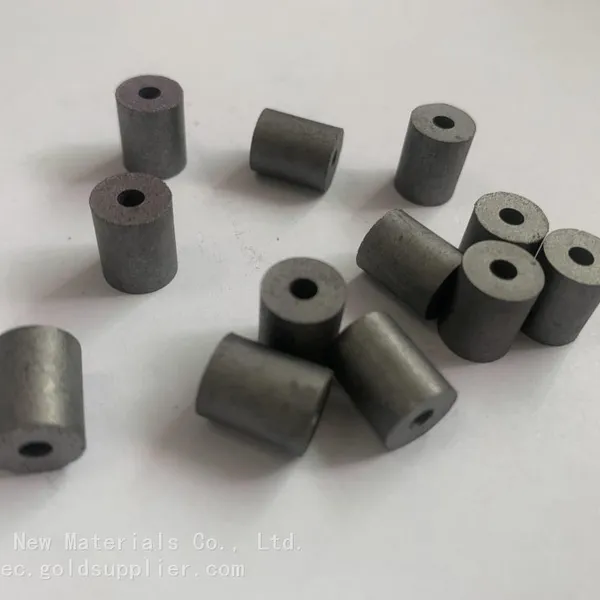 Read More
 -
CB50742: The Cast Iron Brake Disc Repair Insert You Need to Know About
August 28, 2026If you work in automotive machining or heavy equipment maintenance, you know that brake disc repair is one of the toughest jobs in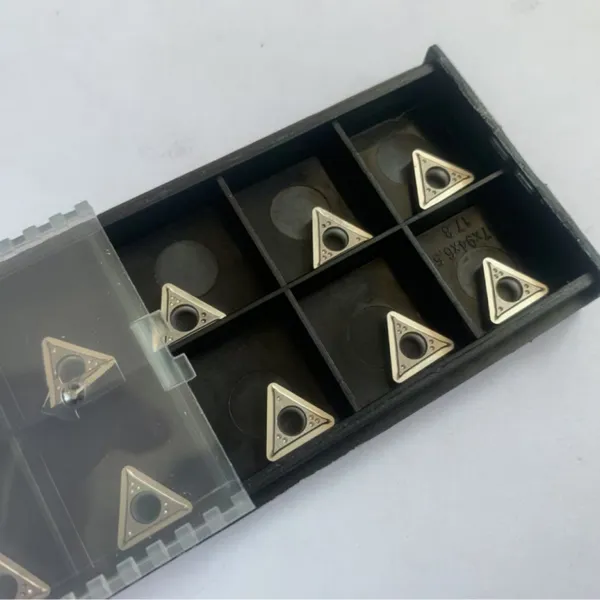 Read More
 -
Hardmetal (Cemented Carbide) Slips and Chucks
July 29, 2026In precision machining and workholding applications, hardmetal—also known as cemented carbide or tungsten carbide—plays a critical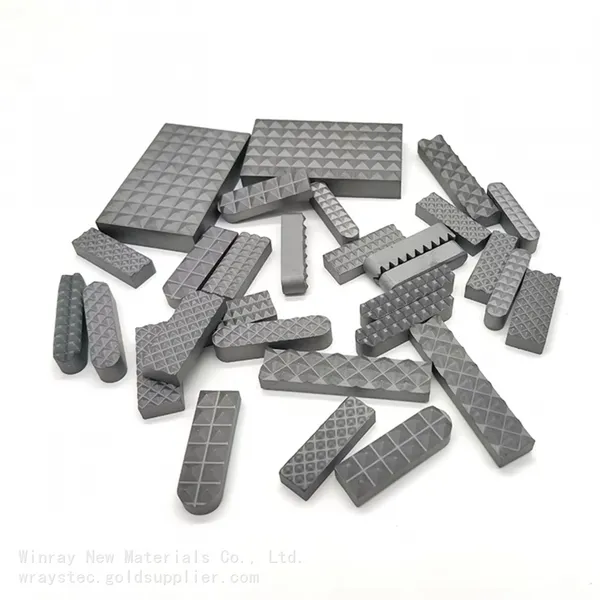 Read More
 -
Carbide Tipped Saw Blades: Unlocking Superior Cutting Performance Across Industries
July 16, 2026In the modern industrial ecosystem, precision cutting is non-negotiable. Whether you are processing engineered wood for high-end f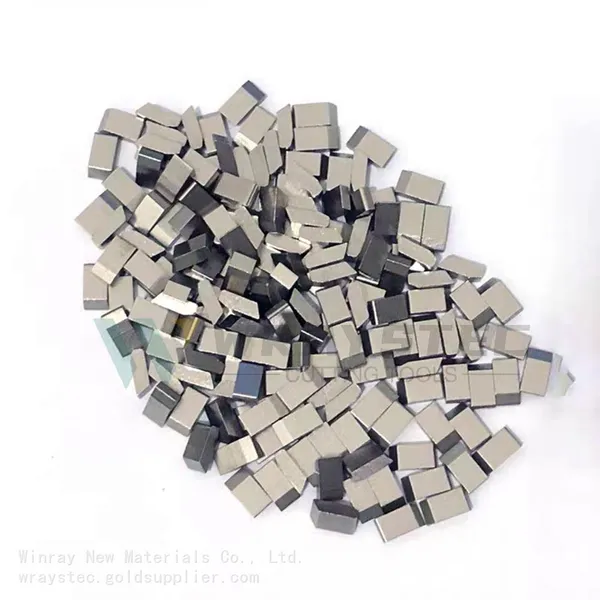 Read More

Contact Us
Recommended Products
-
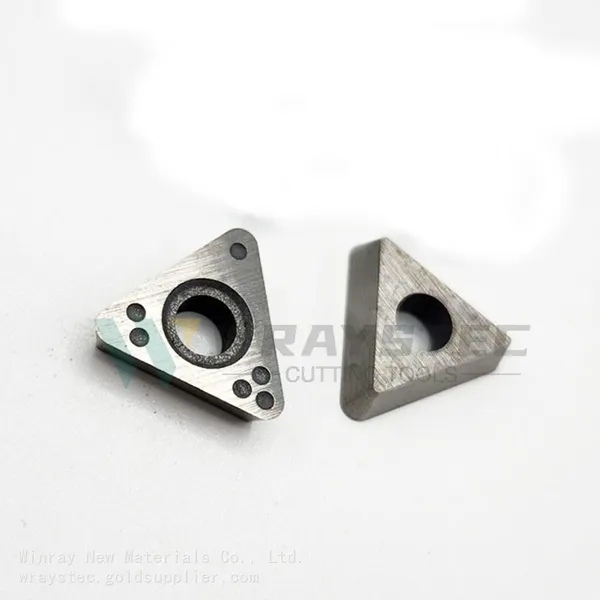
 Wear Resistance CB50742 Carbide Bits for Brake Lath Machine TPGX110308 Hi10 for Cast IronUS$ 1.05 - 2MOQ: 10 Blades
 -
Wear-resistant Cemented Carbide Stamping ComponentsNegotiableMOQ: 1 Unit
-
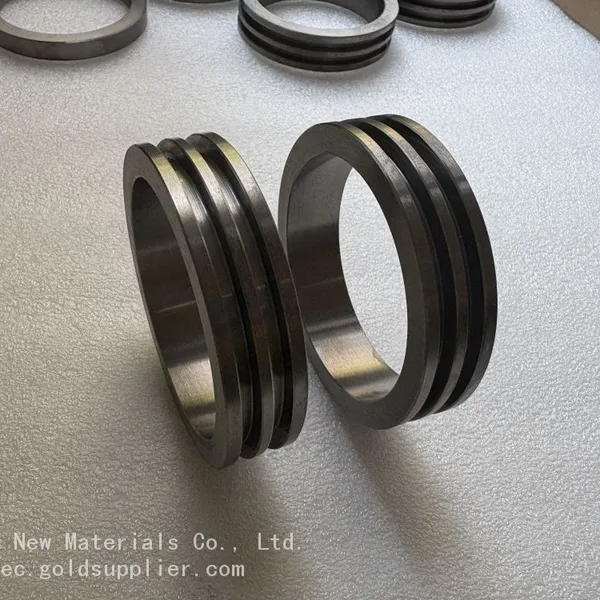
YG11 Tungsten Carbide Heavy-Duty Wear RingNegotiableMOQ: 1 Unit
-
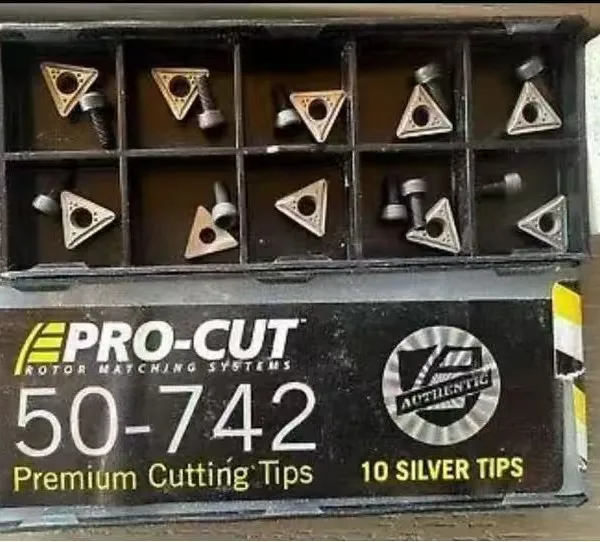
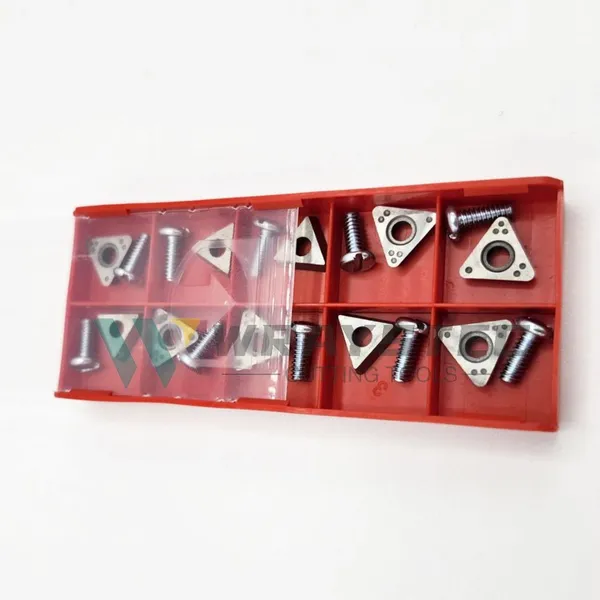
C2 Ammco Positive Rake Carbide Bits for RELS Model 45016 R08/10/12 RadiusUS$ 2.5 - 3MOQ: 50 Blades
-
C2 Ammco Positive Rake Carbide Bits for RELS Model Brake Lathe 45016 RELS Carbide Bits RelacementsUS$ 2.5 - 3MOQ: 50 Blades
-
Holder Number 45703 Inserts Number CB90488 Replaces Accuturn Carbide Bit for Hard SteelUS$ 1.35 - 2.82MOQ: 10 Blades
-
CB90488 Replaces Accuturn Part Number 433796 Fits Accuturn Tool Holders: 433763, 433764, 434056, 434057, 434286, 433779US$ 1.35 - 2.82MOQ: 10 Blades
-
CB90488 Positive Rake Carbide Inserts for Accuturn Models 8911, 8922, 8944, 8989, 8991, 8993US$ 1.35 - 2.82MOQ: 10 Blades
-
Ammco 6914 Insert Can be Used on 6 Edges With Ammco Twin Cutter (6950)/ RELS Twin Cutter (40095) /negative Rake Tool Holder Set # 45701US$ 1.05 - 2MOQ: 10 Blades
-
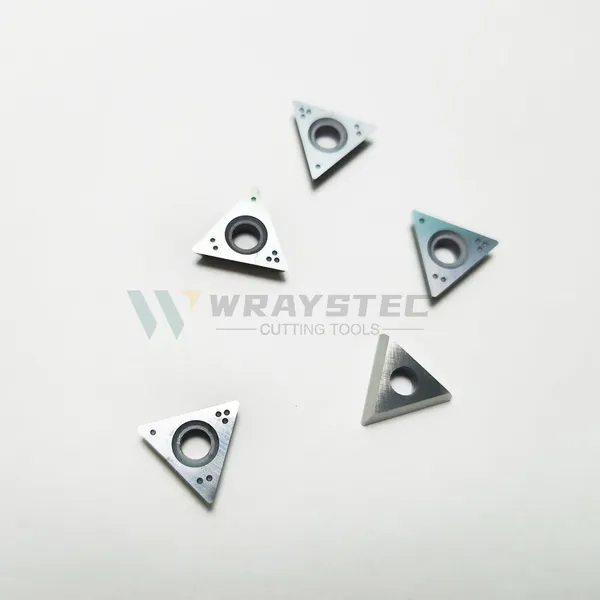
Negative Rake Carbide Inserts For Ammco Models 4000, 4100, 7000 Lathes CB6914/6918-10US$ 1.05 - 2MOQ: 10 Blades
-
Positive Rake Carbide Bits for Ammco Model 2000 Brake Lathe CB6914-10US$ 1.05 - 2MOQ: 10 Blades
-
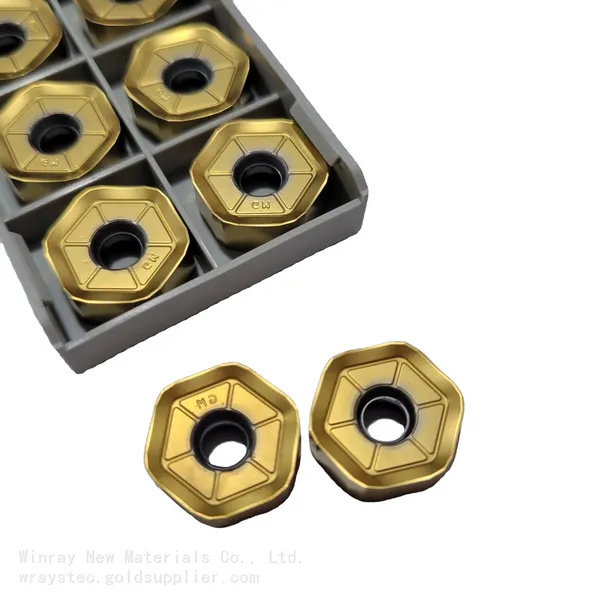
Carbide Milling Tools HNGX0906 45 Degree Double Side Heavy Duty MachiningNegotiableMOQ: 10 Blades
-
Carbide Chuck Jaw Inserts for Pipe Chuck Clamp MechanicalNegotiableMOQ: 100 Blades
-
Modern Design High Precision Serdi Carbide Pilot for Guide Cutting MachineNegotiableMOQ: 10 Blades
-
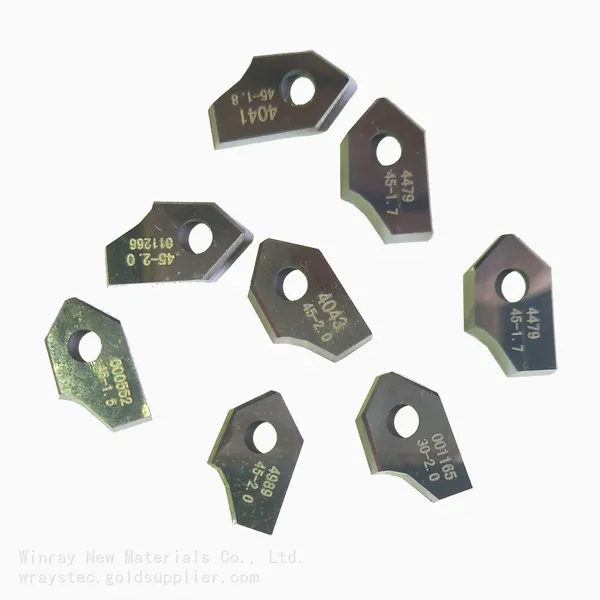
Valve Seat Boring Machine Carbide Incisors Tungsten Carbide Valve Seat InsertsNegotiableMOQ: 10 Blades
-
ISO Standard and Best Price Carbide Tips Ss10 Carbide Stone Cutting TipsNegotiableMOQ: 20 Kilograms
-
Tungsten Carbide Composite Rods Welding Composite Rods High Wear Resistance for AgriculturalNegotiableMOQ: 10 Kilograms
-
Tungsten Carbide Composite Rod YD Rods YD-5 60/40 With Nickel Matrix AlloyNegotiableMOQ: 10 Kilograms
-
U-shape 40*4.4/4.7/5.0*15mm Diameter Granite Marble Stone Cutting Disc Saw Blade SegmentsNegotiableMOQ: 1 Blade
-
Diamond Saw Blades for Marble Block CuttingNegotiableMOQ: 1 Blade