 Business License

How to choose the right carbide tools?
Selecting the appropriate high-performance cemented carbide tools (such as milling cutters, turning inserts, and drill bits) is a systematic process that requires considering four major aspects: "workpiece material," "machining conditions," "tool characteristics," and "economics." The following clear selection logic and steps can be followed:
Step 1: Analyze the Machining Task (Clarify Requirements)
This is the foundation for all subsequent choices and must be clearly defined first.
What is the workpiece material?
Material type: Steel, stainless steel, cast iron, aluminum alloy, high-temperature alloy, titanium alloy, or non-ferrous metal?
Material condition: Is it unhardened (
What is the machining process?
Rough machining, semi-finishing, or finishing? Are the goals efficient material removal, a balance of efficiency and quality, or high precision and surface finish?
What are the machining conditions?
Machine tool: Is it an older machine tool or a new, high-rigidity, high-power CNC machine tool? What is its stability?
Clamping: Is the workpiece securely clamped? What is the system rigidity? (This directly affects whether the tool can withstand high cutting forces or if a tougher tool is needed.)
Cooling method: Is there sufficient internal or external cooling, or is it dry cutting?
Step 2: Understanding the Core of Carbide Cutting Tools – the "Grade"
Carbide is not a single material, but rather a range of "grades" with different properties achieved by adjusting the composition and manufacturing process. The key to selection is choosing the right grade. The grade is determined by the following two key factors:
2. Coating Technology
Modern carbide cutting tools are almost always coated, which significantly improves their performance. Common coating types include:
TiN (Titanium Nitride): Gold-colored, general-purpose coating, improves wear resistance.
TiAlN (Titanium Aluminum Nitride): Purple-black, mainstream high-performance coating. Forms a protective aluminum oxide layer at high temperatures, ideal for high-speed, dry, or minimum lubrication machining.
AlTiN (Aluminum Titanium Nitride): Gray-black, higher aluminum content, better hot hardness, used for more demanding machining (such as hardened steel).
TiSiN and other nano-coatings: Extremely high hardness, used for precision machining of high-hardness materials.
Diamond coating: Used for efficient machining of non-ferrous materials such as graphite, high-silicon aluminum alloys, and composite materials.
Simple mnemonic: The coating determines the tool's "speed and heat resistance," while the substrate determines the tool's "strength and toughness."
Step 3: Selecting the Tool Geometry
Once you've chosen the correct grade, you also need to select the right "shape," or geometry.
Cutting Edge Treatment:
Sharp edge: Used for finishing aluminum alloys and low-hardness steels; results in low cutting forces and good surface quality.
Chamfering/Blunting: Enhances edge strength and prevents chipping; used for rough machining, intermittent cutting, or difficult-to-machine materials.
Flute/Chipbreaker Geometry:
Sharp, positive rake angle flute: Provides smooth cutting; used for soft materials and finishing.
Robust, negative rake angle flute: High edge strength; used for heavy-duty rough machining and intermittent cutting.
Complex chipbreaker geometry: Used to control chips from steel and stainless steel, ensuring smooth chip evacuation.
Tool Macro Geometry: Parameters such as rake angle, relief angle, and helix angle (for milling cutters) are optimized for different materials.
Step 4: Comprehensive Decision-Making and Practical Recommendations
Connect the above information to form a decision-making flowchart:
Determine the general category based on the material:
Machining steel, alloy steel → Prioritize P-type or M-type grades.
Machining stainless steel, heat-resistant alloys → Prefer M-type or S-type grades.
Machining cast iron → Prefer K-type grades.
Machining aluminum alloys, non-ferrous metals → Choose uncoated K-type or diamond-coated tools.
Machining high-hardness materials (>HRC50) → Choose H-type grades or CBN (cubic boron nitride) tools.
Determine the specific grade and coating based on working conditions:
Good working conditions, continuous cutting, finishing → Choose inserts with higher wear resistance (P-type tendency), more heat-resistant coating (such as AlTiN), and a sharper rake angle.
Harsh working conditions, intermittent cutting, rough machining → Choose inserts with higher toughness (K-type or M-type tendency), strong cutting edge (with chamfer), and a negative rake angle.
Determine the final solution based on cost: Large-volume, automated production lines: Aim for the lowest cost per piece, using the highest performance (possibly also the most expensive) grade and coating to spread the cost over a long lifespan and high-speed machining.
Small-batch, multi-variety, general-purpose machine tools: Aim for versatility and reliability, choosing a universal M-type grade or general-purpose coating (such as TiAlN) to avoid frequent tool changes.
For trial cutting or when uncertain: Consult the tool supplier's sample catalog or website for recommendations. Major brands (such as Sandvik, Kennametal, Iscar, Mitsubishi, Zhuzhou Diamond, etc.) all have detailed material-process-tool recommendation tables, which are the most reliable starting point.
Summary mnemonic:
"Material determines the color (ISO category), working conditions determine the grade (toughness/wear resistance orientation), process determines the edge type (sharp/strong), and cost determines the selection (high-performance/general-purpose)."
In actual operation, don't rely on just one grade. It is recommended to consult with experienced technicians or engineers from tool suppliers and prepare a small quantity of different grades of cutting inserts for trial cutting and comparison. Validating the selection based on actual machining results (tool life, efficiency, and surface quality) is the most scientific approach.
Recently Posted
-
Why is it impossible to simultaneously achieve both high hardness and high toughness in cemented car
July 2, 2026In the machining industry, when selecting cemented carbide cutting tools, one often faces a difficult choice: hardness or toughnes Read More
 -
Cast Tungsten Carbide Welding Rods: The Ultimate Solution for Extreme Wear Resistance
June 25, 2026In industries where equipment faces relentless abrasion, impact, and high-temperature stress, the choice of wear protection materi Read More
 -
How to Choose the Right Cemented Carbide Drill Bit for High-Performance Machining
June 3, 2026In precision machining, the drill bit is often the unsung hero. Among all types of drilling tools, cemented carbide drill bits sta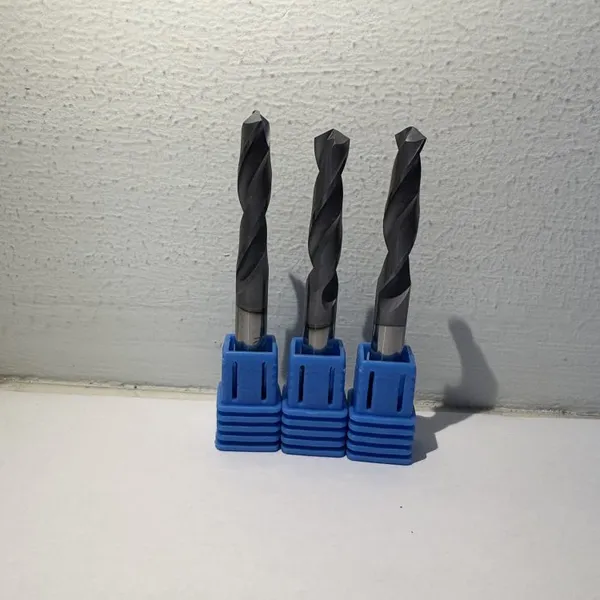 Read More
 -
Solid Carbide End Mill for HRC58 Hardened Steel – D8*20*8*60L-4F with Bronze Coating
June 2, 2026Machining hardened steel (up to HRC58) presents unique challenges: high cutting forces, heat generation, and rapid tool wear. With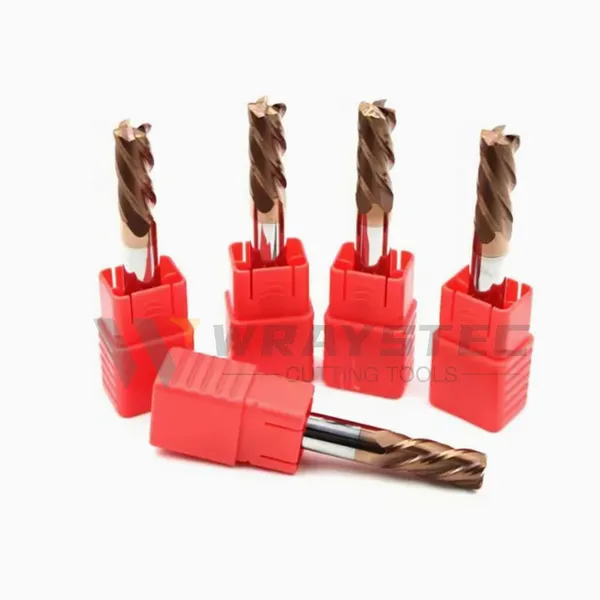 Read More

Contact Us
Recommended Products
-
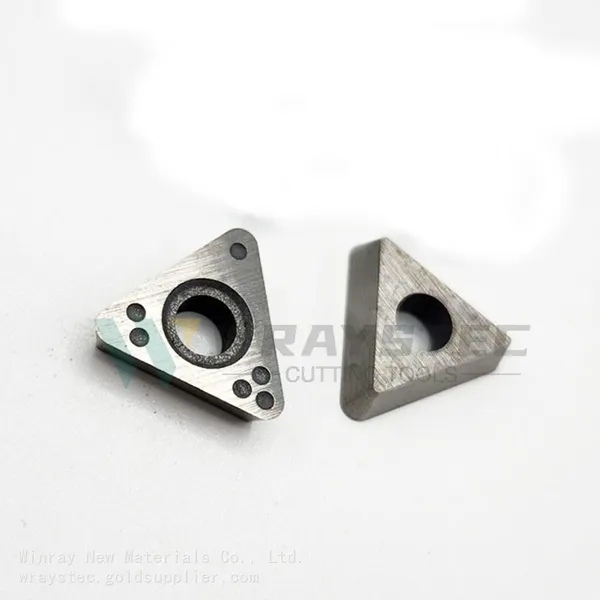
 C2 Ammco Positive Rake Carbide Bits for RELS Model 45016 R08/10/12 RadiusUS$ 2.5 - 3MOQ: 50 Blades
 -
C2 Ammco Positive Rake Carbide Bits for RELS Model Brake Lathe 45016 RELS Carbide Bits RelacementsUS$ 2.5 - 3MOQ: 50 Blades
-
Holder Number 45703 Inserts Number CB90488 Replaces Accuturn Carbide Bit for Hard SteelUS$ 1.35 - 2.82MOQ: 10 Blades
-
CB90488 Replaces Accuturn Part Number 433796 Fits Accuturn Tool Holders: 433763, 433764, 434056, 434057, 434286, 433779US$ 1.35 - 2.82MOQ: 10 Blades
-
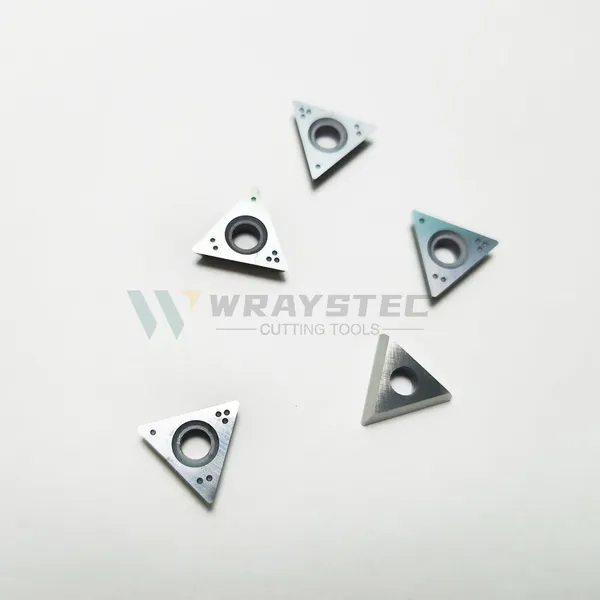
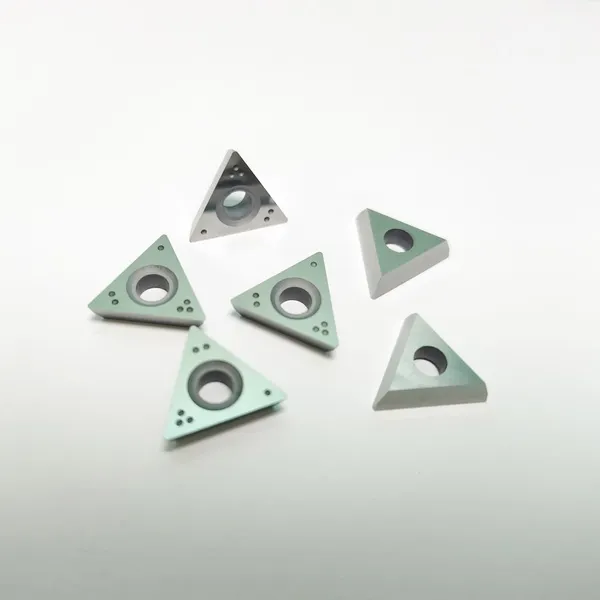
CB90488 Positive Rake Carbide Inserts for Accuturn Models 8911, 8922, 8944, 8989, 8991, 8993US$ 1.35 - 2.82MOQ: 10 Blades
-
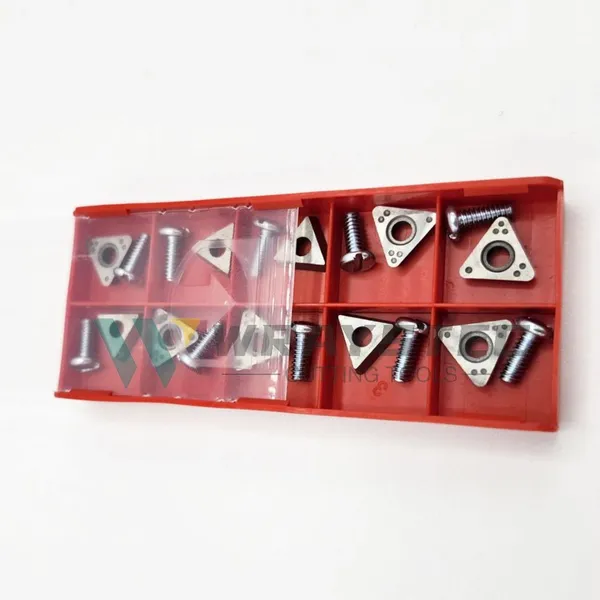
Ammco 6914 Insert Can be Used on 6 Edges With Ammco Twin Cutter (6950)/ RELS Twin Cutter (40095) /negative Rake Tool Holder Set # 45701US$ 1.05 - 2MOQ: 10 Blades
-
Negative Rake Carbide Inserts For Ammco Models 4000, 4100, 7000 Lathes CB6914/6918-10US$ 1.05 - 2MOQ: 10 Blades
-
Positive Rake Carbide Bits for Ammco Model 2000 Brake Lathe CB6914-10US$ 1.05 - 2MOQ: 10 Blades
-
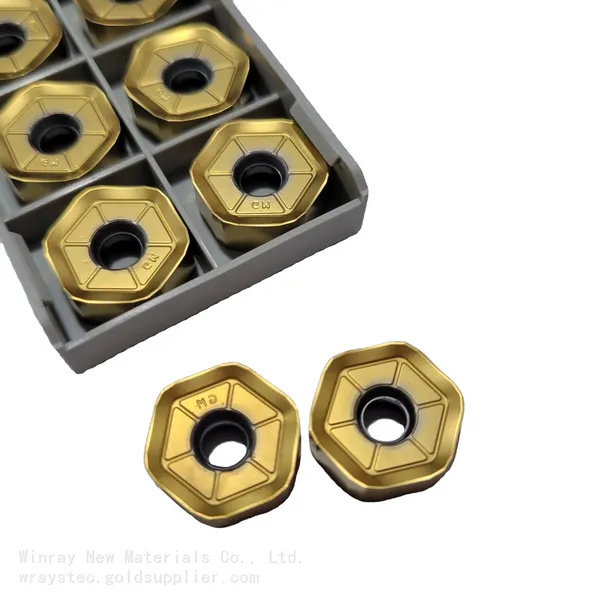
Carbide Milling Tools HNGX0906 45 Degree Double Side Heavy Duty MachiningNegotiableMOQ: 10 Blades
-
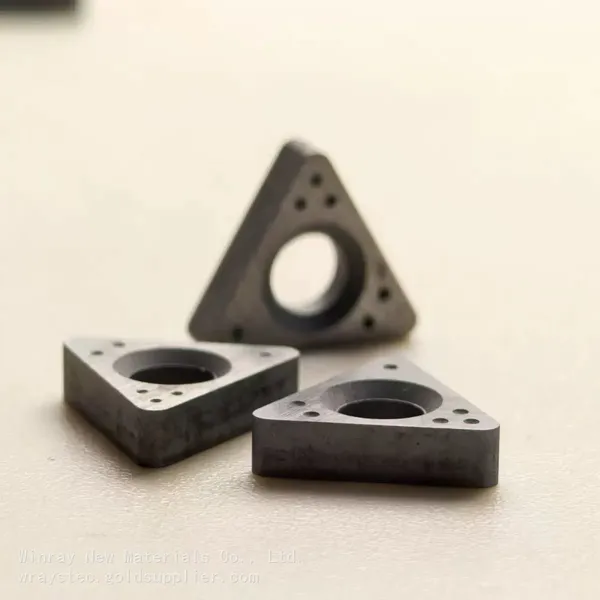
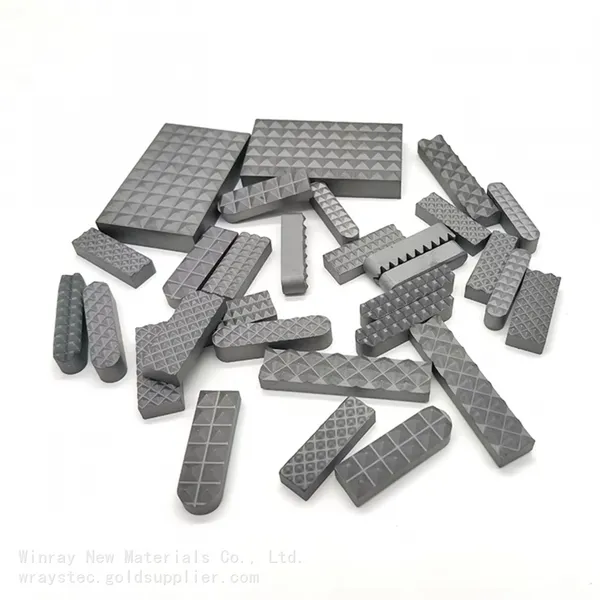
Carbide Chuck Jaw Inserts for Pipe Chuck Clamp MechanicalNegotiableMOQ: 100 Blades
-
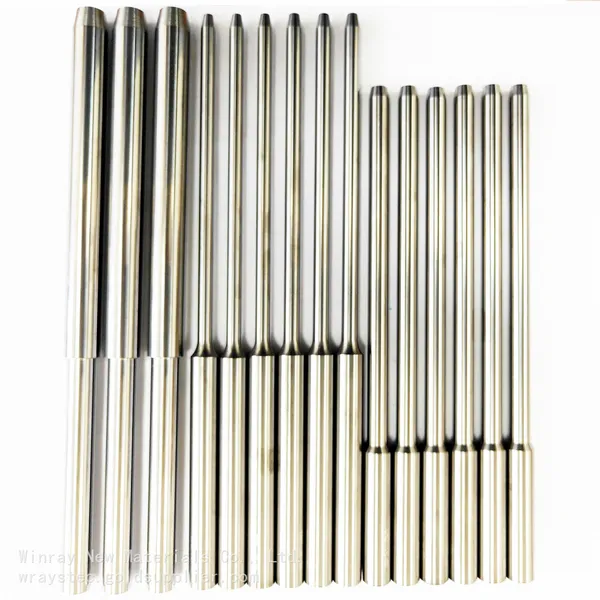
Modern Design High Precision Serdi Carbide Pilot for Guide Cutting MachineNegotiableMOQ: 10 Blades
-
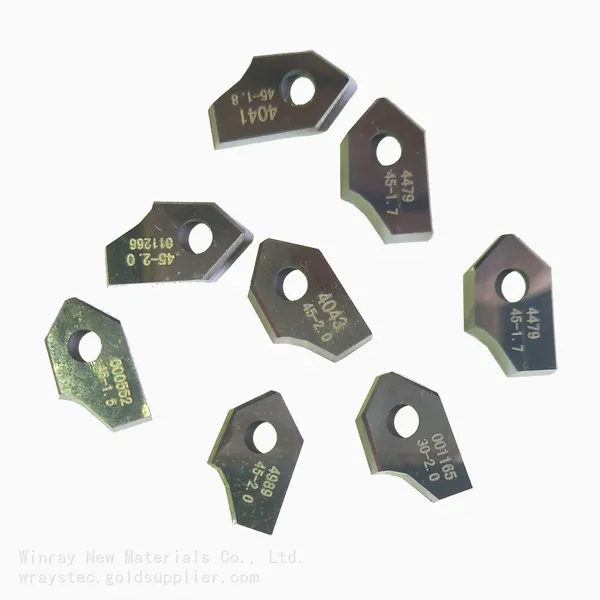
Valve Seat Boring Machine Carbide Incisors Tungsten Carbide Valve Seat InsertsNegotiableMOQ: 10 Blades
-
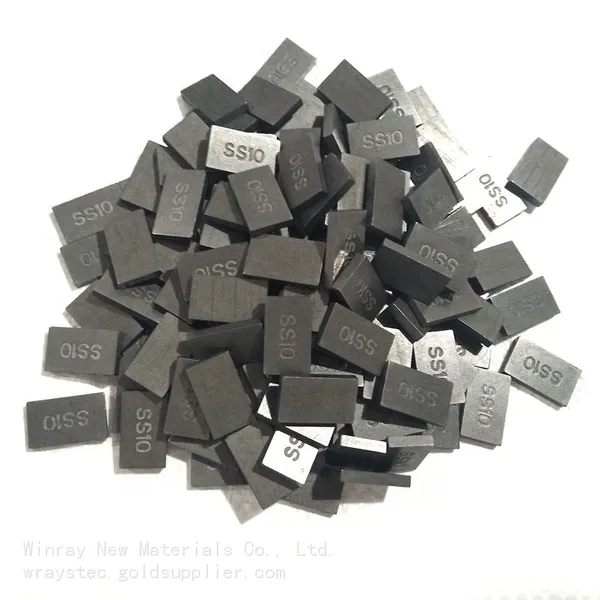
ISO Standard and Best Price Carbide Tips Ss10 Carbide Stone Cutting TipsNegotiableMOQ: 20 Kilograms
-
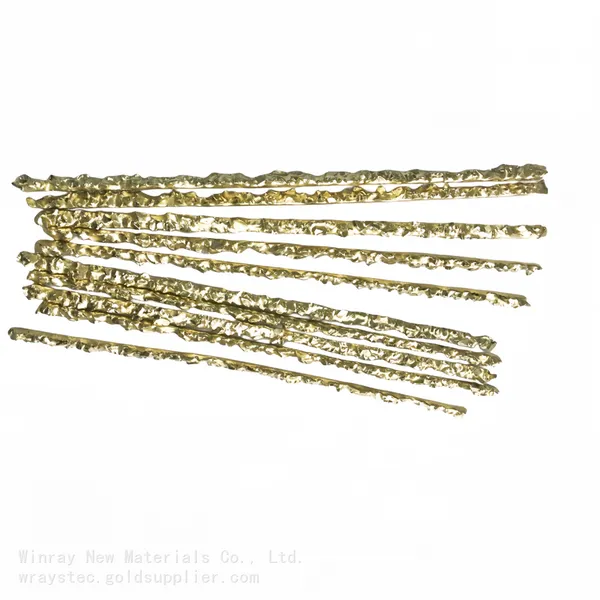
Tungsten Carbide Composite Rods Welding Composite Rods High Wear Resistance for AgriculturalNegotiableMOQ: 10 Kilograms
-
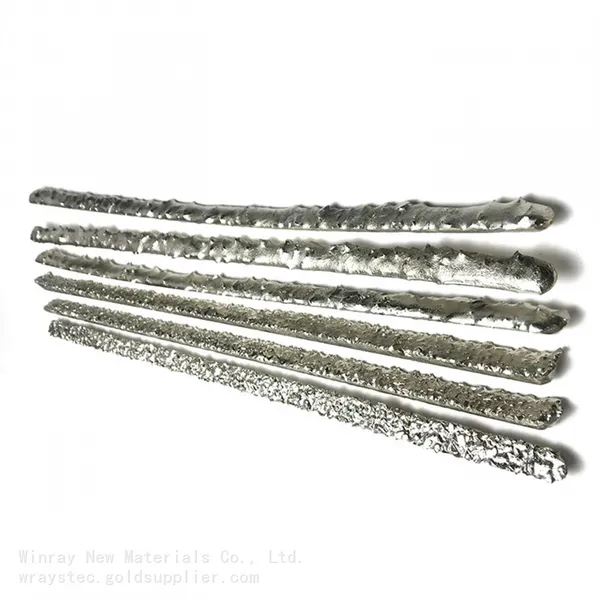
Tungsten Carbide Composite Rod YD Rods YD-5 60/40 With Nickel Matrix AlloyNegotiableMOQ: 10 Kilograms
-
U-shape 40*4.4/4.7/5.0*15mm Diameter Granite Marble Stone Cutting Disc Saw Blade SegmentsNegotiableMOQ: 1 Blade
-
Diamond Saw Blades for Marble Block CuttingNegotiableMOQ: 1 Blade
-
Diamond Wire Rope for Mining OperationsNegotiableMOQ: 1 Combo
-
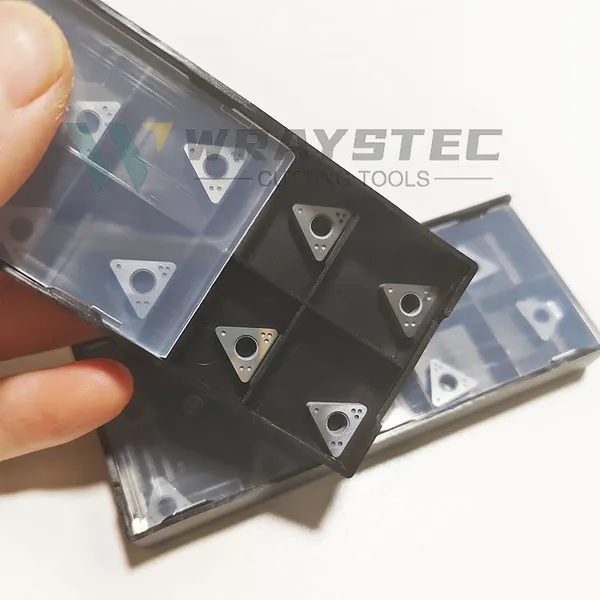
100% Carbide Raw Materials of PCD Inserts With High Hardness Carbide Base TNGA16T304/08NegotiableMOQ: 10 Blades
-
TNMG160404/08/12 CNC Cutting Inserts Triangular Shape for Precision Turning of Steel and Stainless Steel WorkpiecesNegotiableMOQ: 10 Blades