 Business License

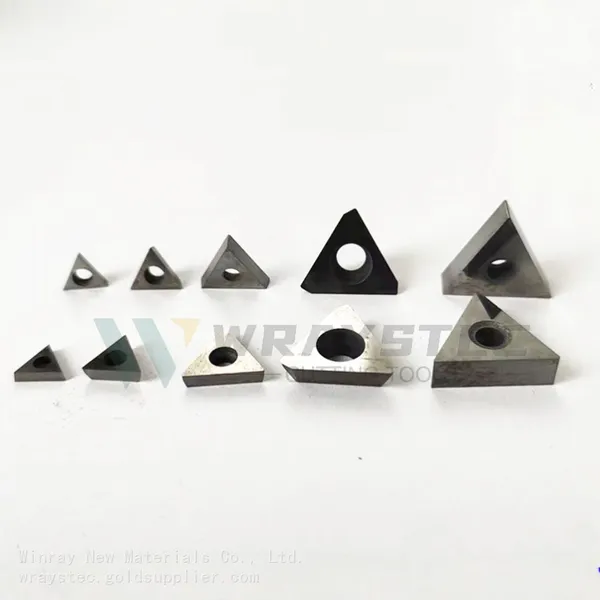
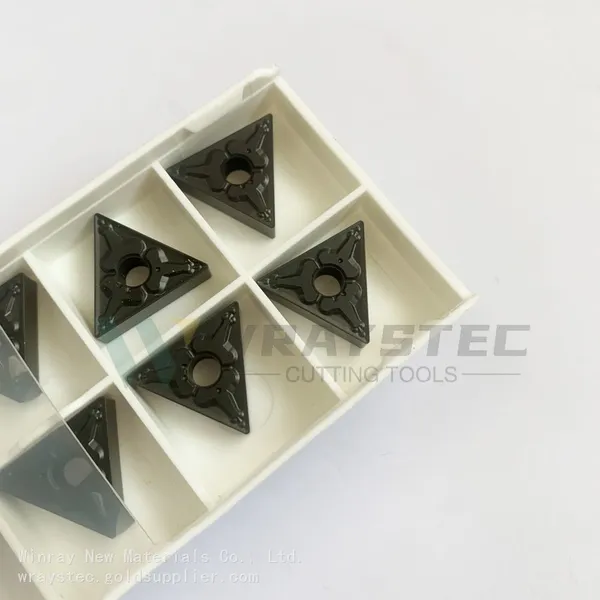
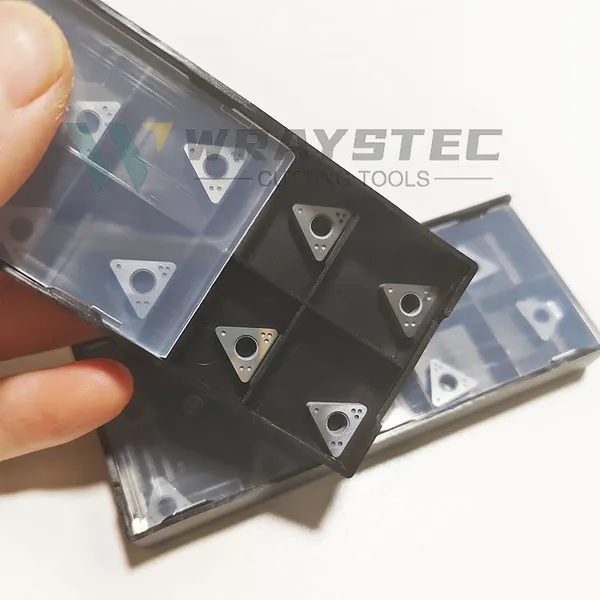
PCD inserts
1. What are PCD inserts?
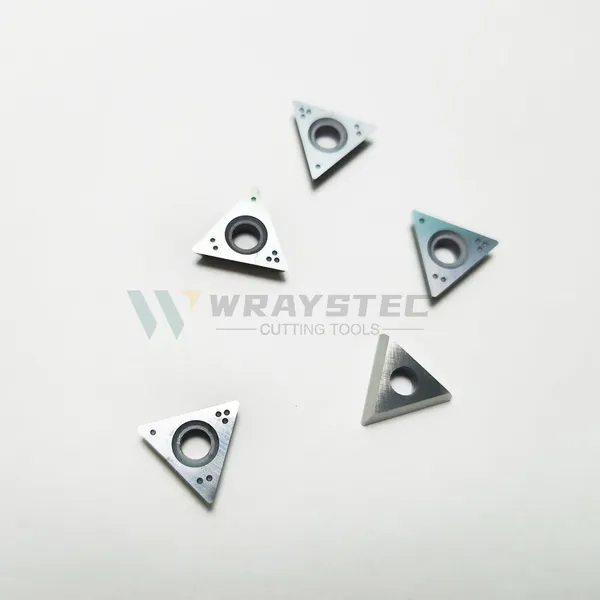
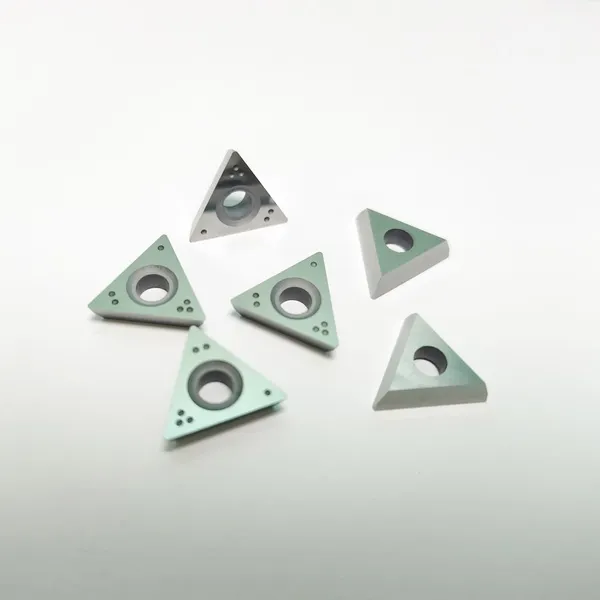
PCD is the English abbreviation for Polycrystalline Diamond. PCD inserts refer to cutting tools that use polycrystalline diamond as the cutting edge.
Polycrystalline Diamond: It is not a natural single diamond crystal, but a solid block of polygonal composite material formed by sintering countless tiny artificial diamond micro-powders under extremely high temperature and pressure using a metal binder (such as cobalt). You can imagine it as a "high-strength mass of diamond particles bonded together with a metal binder."
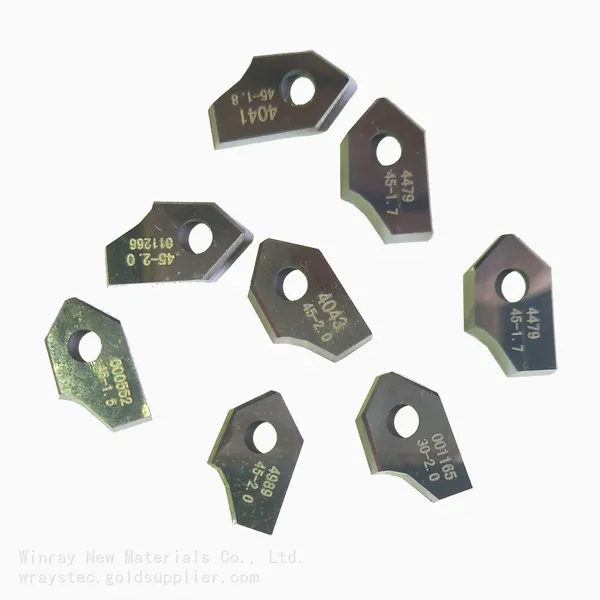
Insert Structure: Typically, PCD material is not used to make the entire insert, but is welded onto a carbide tool body in the form of a tip or insert. This utilizes the ultra-hard and wear-resistant properties of PCD while reducing costs and ensuring the toughness of the tool body.
2. Main Characteristics of PCD Inserts
Advantages:
Extremely high hardness and wear resistance: Its hardness is second only to natural single-crystal diamond, and dozens of times harder than cemented carbide. This is its most outstanding advantage.
Low friction coefficient: It has low affinity with non-ferrous metals, making it less prone to built-up edge formation during machining, resulting in a high surface finish.
High thermal conductivity: It can quickly conduct cutting heat, reducing the temperature of the cutting edge.
Long lifespan: On suitable materials, its lifespan is dozens or even hundreds of times longer than cemented carbide tools, significantly reducing tool changes and improving automated machining efficiency.
Disadvantages:
Poor toughness and high brittleness: Sensitive to impact and vibration, not suitable for intermittent cutting or rough machining conditions.
Limited range of machinable materials: Primarily used for machining non-ferrous metals and non-metallic materials. Cannot machine ferrous metals (steel, cast iron, etc.) because diamond reacts chemically with iron at high temperatures (carbide formation), leading to rapid tool wear.
Difficult to manufacture and high cost: The manufacturing of PCD itself and the process of grinding it into a sharp cutting edge are complex, resulting in a higher initial purchase cost for the tool.
3. Main Application Areas (What materials can it machine?)
PCD inserts are the preferred cutting tools for machining the following materials:
Non-ferrous metals:
Silicon-aluminum alloys (especially those with high silicon content, such as engine pistons, cylinder heads, and wheel hubs): PCD inserts are the "king" for machining these materials, easily handling the hard silicon particles within them.
Copper and copper alloys, magnesium alloys, Babbitt metal, etc.
Hard and wear-resistant non-ferrous metals: such as tungsten-copper alloys, sintered tungsten carbide, etc.
Non-metallic materials:
Reinforced composite materials: such as carbon fiber reinforced plastics, glass fiber reinforced plastics, etc.
Ceramics, graphite, fiberglass.
Hard rubber, plastics.
Others: Hardwood, MDF, etc.
PCD (Polycrystalline Diamond) cutting tools are indispensable key tools in modern manufacturing, especially in the automotive, aerospace, and electronics industries, for the efficient, high-precision, and high-quality machining of non-ferrous metals. Although their initial purchase cost is relatively high, in suitable applications, their overall cost is more advantageous due to their exceptionally long service life and stable machining quality.
Recently Posted
-
Why is it impossible to simultaneously achieve both high hardness and high toughness in cemented car
July 2, 2026In the machining industry, when selecting cemented carbide cutting tools, one often faces a difficult choice: hardness or toughnes Read More
 -
Cast Tungsten Carbide Welding Rods: The Ultimate Solution for Extreme Wear Resistance
June 25, 2026In industries where equipment faces relentless abrasion, impact, and high-temperature stress, the choice of wear protection materi Read More
 -
How to Choose the Right Cemented Carbide Drill Bit for High-Performance Machining
June 3, 2026In precision machining, the drill bit is often the unsung hero. Among all types of drilling tools, cemented carbide drill bits sta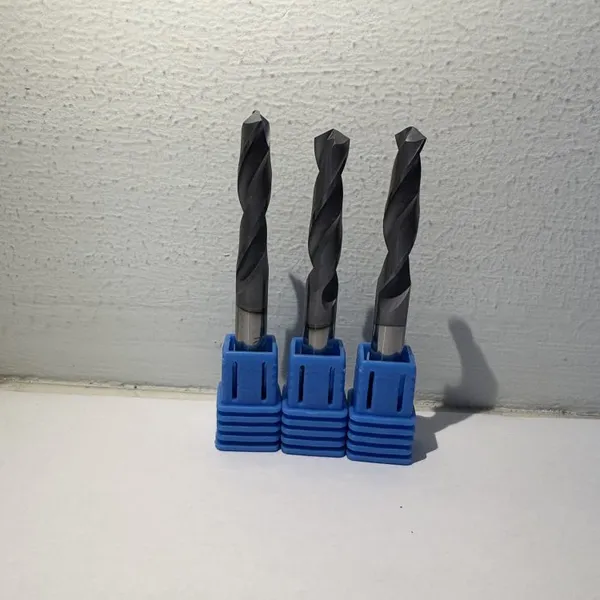 Read More
 -
Solid Carbide End Mill for HRC58 Hardened Steel – D8*20*8*60L-4F with Bronze Coating
June 2, 2026Machining hardened steel (up to HRC58) presents unique challenges: high cutting forces, heat generation, and rapid tool wear. With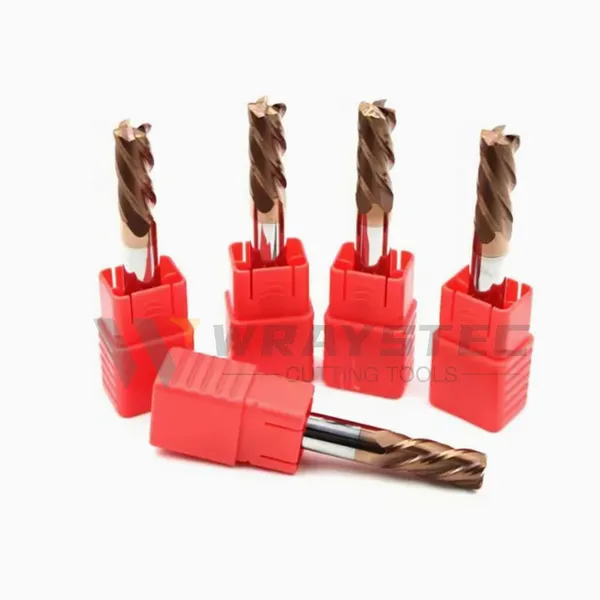 Read More

Contact Us
Recommended Products
-
 C2 Ammco Positive Rake Carbide Bits for RELS Model 45016 R08/10/12 RadiusUS$ 2.5 - 3MOQ: 50 Blades
 -
C2 Ammco Positive Rake Carbide Bits for RELS Model Brake Lathe 45016 RELS Carbide Bits RelacementsUS$ 2.5 - 3MOQ: 50 Blades
-
Holder Number 45703 Inserts Number CB90488 Replaces Accuturn Carbide Bit for Hard SteelUS$ 1.35 - 2.82MOQ: 10 Blades
-
CB90488 Replaces Accuturn Part Number 433796 Fits Accuturn Tool Holders: 433763, 433764, 434056, 434057, 434286, 433779US$ 1.35 - 2.82MOQ: 10 Blades
-
CB90488 Positive Rake Carbide Inserts for Accuturn Models 8911, 8922, 8944, 8989, 8991, 8993US$ 1.35 - 2.82MOQ: 10 Blades
-
Ammco 6914 Insert Can be Used on 6 Edges With Ammco Twin Cutter (6950)/ RELS Twin Cutter (40095) /negative Rake Tool Holder Set # 45701US$ 1.05 - 2MOQ: 10 Blades
-
Negative Rake Carbide Inserts For Ammco Models 4000, 4100, 7000 Lathes CB6914/6918-10US$ 1.05 - 2MOQ: 10 Blades
-
Positive Rake Carbide Bits for Ammco Model 2000 Brake Lathe CB6914-10US$ 1.05 - 2MOQ: 10 Blades
-
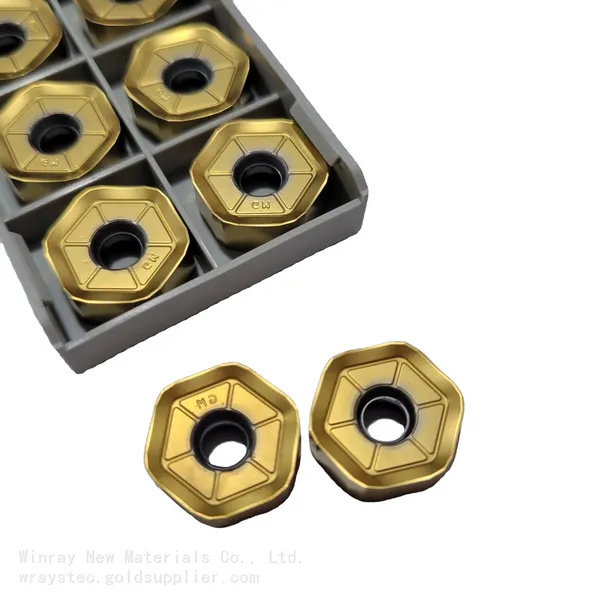
Carbide Milling Tools HNGX0906 45 Degree Double Side Heavy Duty MachiningNegotiableMOQ: 10 Blades
-
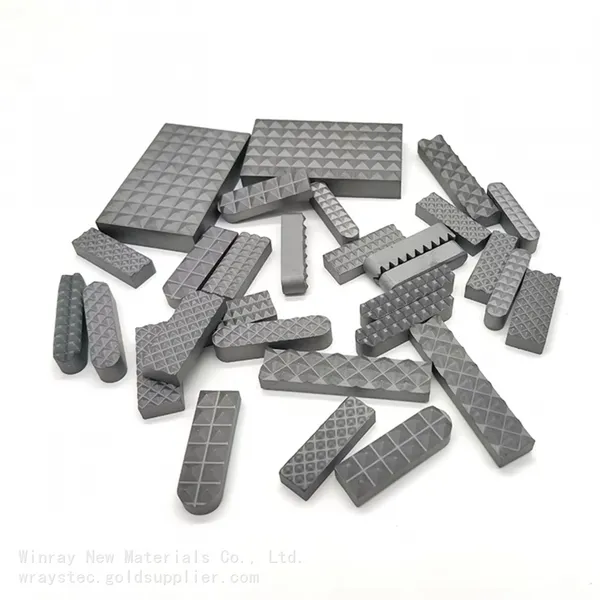
Carbide Chuck Jaw Inserts for Pipe Chuck Clamp MechanicalNegotiableMOQ: 100 Blades
-
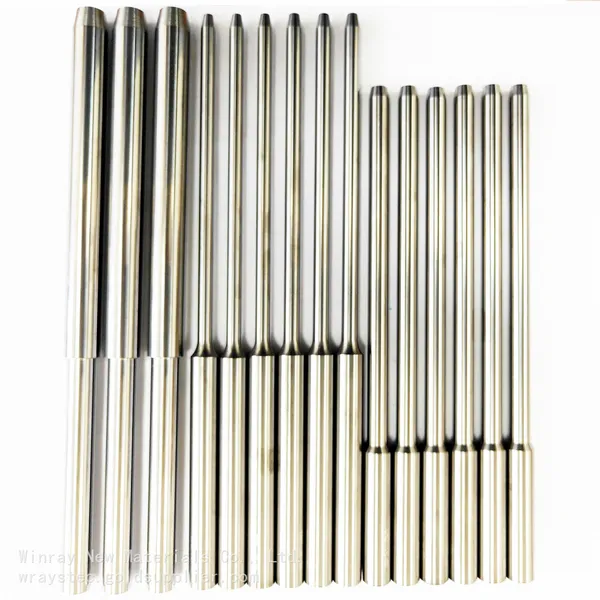
Modern Design High Precision Serdi Carbide Pilot for Guide Cutting MachineNegotiableMOQ: 10 Blades
-
Valve Seat Boring Machine Carbide Incisors Tungsten Carbide Valve Seat InsertsNegotiableMOQ: 10 Blades
-
ISO Standard and Best Price Carbide Tips Ss10 Carbide Stone Cutting TipsNegotiableMOQ: 20 Kilograms
-
Tungsten Carbide Composite Rods Welding Composite Rods High Wear Resistance for AgriculturalNegotiableMOQ: 10 Kilograms
-
Tungsten Carbide Composite Rod YD Rods YD-5 60/40 With Nickel Matrix AlloyNegotiableMOQ: 10 Kilograms
-
U-shape 40*4.4/4.7/5.0*15mm Diameter Granite Marble Stone Cutting Disc Saw Blade SegmentsNegotiableMOQ: 1 Blade
-
Diamond Saw Blades for Marble Block CuttingNegotiableMOQ: 1 Blade
-
Diamond Wire Rope for Mining OperationsNegotiableMOQ: 1 Combo
-
100% Carbide Raw Materials of PCD Inserts With High Hardness Carbide Base TNGA16T304/08NegotiableMOQ: 10 Blades
-
TNMG160404/08/12 CNC Cutting Inserts Triangular Shape for Precision Turning of Steel and Stainless Steel WorkpiecesNegotiableMOQ: 10 Blades