 Business License

Diamond wire for mining operations
I.What is a diamond wire (diamond beaded wire)?
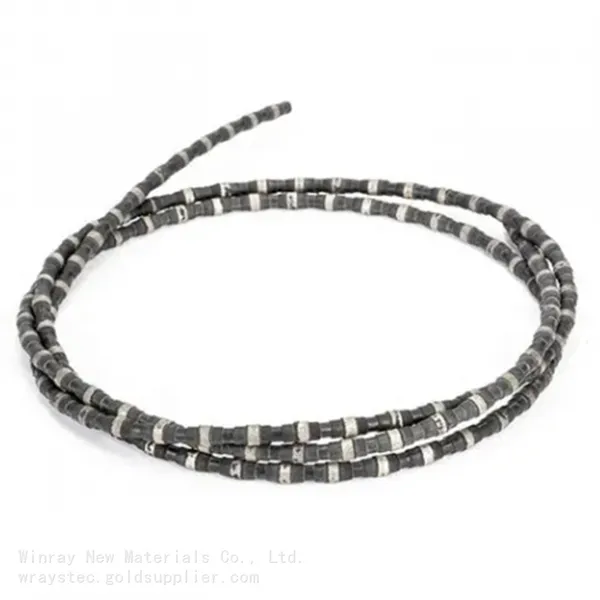
It is not a solid rope, but a flexible cutting tool made of multiple "diamond beads" strung together like pearls on a steel wire rope.
Main Structure:
Steel Wire Rope Core: Made of multiple strands of high-strength, high-toughness steel wire, providing the main tensile strength and flexibility.
Diamond Beads: These are the core working units.
Steel Sleeve: The outer part is a cylindrical metal sleeve.
Diamond Layer: On the steel sleeve, artificial diamond particles are sintered together with metal powder (such as cobalt, copper, iron, etc.) through powder metallurgy. Diamond, as the hardest substance in the world, is responsible for grinding and cutting.
Spacer/Spring: Strung between every two beads, used to fix the spacing between the beads and provide cushioning and shock absorption.
Injection Molding Layer: A layer of polyurethane or rubber is molded around the outside of the rope core after the beads and spacers are strung on. Its functions are:
To protect the steel wire rope core from wear and corrosion.
To fix the beads and prevent them from sliding and rotating.
To store and transport cooling water to the cutting area.
II. Applications and Advantages in Mining
Traditional mining uses explosive blasting or flame cutting, which is wasteful, unsafe, and results in low yield. Diamond wire saw mining has completely changed this situation.
Main Application Scenarios:
Primary Ore Body Separation (Large-scale Cutting): In mines, the wire saw is used to completely cut and separate huge raw rocks from the mountain in the required size (cubes). This is the main application.
Rough Block Shaping: Irregular large blocks of ore are cut into regular cubes for easy transportation and subsequent processing.
Mine Rescue and Handling of Overhanging Rocks: Safely and controllably remove dangerous rock formations.
Protective Mining of Rare Stone Materials: For expensive and fragile stone materials, it can maximize the acquisition of complete rough blocks and improve resource utilization.
Core Advantages:
High Yield Rate: The cutting surface is flat, allowing the ore body to be precisely cut like "cutting tofu," greatly reducing waste and increasing the yield of precious stone materials. Safety and Environmental Protection: No vibrations, flying rocks, or dust are generated by blasting, and the noise is relatively low, resulting in a safer working environment.
High Flexibility: Capable of cutting in any direction, including vertical, horizontal, and inclined, adapting to complex terrain and mining plans.
High-Quality Blocks: The cut surface is smooth, reducing subsequent processing steps and material waste.
High Degree of Automation: Can be combined with a computer control system for remote operation and precise control.
III. How Does the Mining System Work? (Wire Saw System)
A diamond wire saw requires a complete equipment system to operate, called a mining wire saw machine.
System Components:
Main Flywheel/Drive Wheel: Driven by a high-power motor (diesel or electric), it is the power source that drives the diamond wire to rotate at high speed (linear speed typically 20-40 meters/second).
Guide Wheel System: A set of movable pulleys used to guide the diamond wire around the rock mass being cut, forming a cutting loop. The path of the wire can be arranged as needed.
Diamond Bead Wire: A consumable tool.
Tensioning System: Maintains a constant and appropriate tension on the wire during cutting to prevent deviation and vibration.
Cooling Water Supply System: Crucial! Continuously sprays a large amount of cooling water (sometimes mixed with lubricants and debris removal agents) onto the cutting area. Its functions are:
Cooling: Reduces the high temperature generated by friction on the diamond beads, preventing premature wear and "burning" of the wire.
Lubrication: Reduces frictional resistance.
Chip Removal: Flushes away the rock powder (cuttings) generated during cutting, keeping the cut clean and ensuring cutting efficiency.
Control and Movement System: Controls the movement of the main machine and guide wheels to achieve feed cutting.
Brief Workflow:
Drill holes in the rock mass to create channels for the wire to pass through.
Thread the diamond wire through the holes, connect it into a loop using connectors (spring buckles), and place it on the main flywheel and guide wheels.
Start the system; the main flywheel rotates at high speed, driving the diamond wire in a circular motion. Driven by hydraulics or an electric motor, the entire wire saw system slowly advances along the track (typically a few centimeters to tens of centimeters per hour). The diamond particles on the diamond beads act like countless miniature milling cutters, continuously grinding the rock until the cutting is complete.
IV. Key Technologies and Challenges
Wire life and efficiency: This depends on the grade and concentration of diamonds in the beads, the matrix formula (matched to the hardness and abrasiveness of the stone being cut), and the operating process. Mismatches can lead to premature wire wear or "slipping" (inability to cut).
System stability: The long-term stable operation of large-scale mining wire saws in harsh environments requires extremely high standards for mechanical design and manufacturing.
Operating skills: Experienced operators can judge the cutting status based on sound, water spray, and current changes, and adjust parameters in a timely manner, which is crucial for ensuring efficiency and safety.
Cost: Initial equipment investment is significant, and the diamond wire is a continuously consumed item. However, for high-value stone, the increased yield easily offsets the cost.
Recently Posted
-
Why is it impossible to simultaneously achieve both high hardness and high toughness in cemented car
July 2, 2026In the machining industry, when selecting cemented carbide cutting tools, one often faces a difficult choice: hardness or toughnes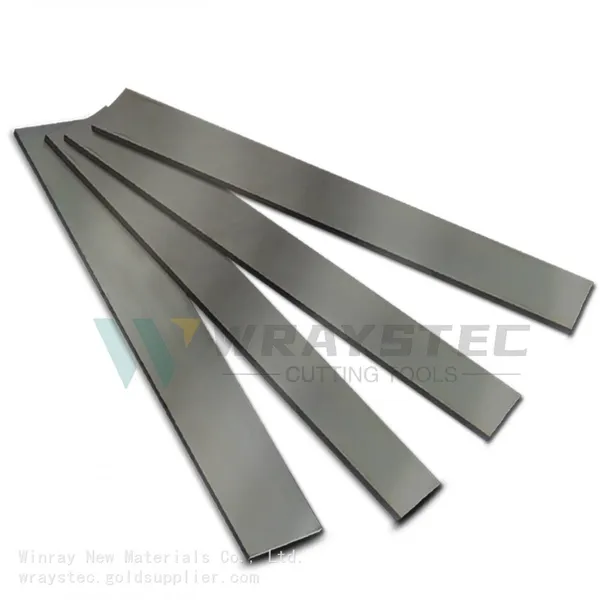 Read More
 -
Cast Tungsten Carbide Welding Rods: The Ultimate Solution for Extreme Wear Resistance
June 25, 2026In industries where equipment faces relentless abrasion, impact, and high-temperature stress, the choice of wear protection materi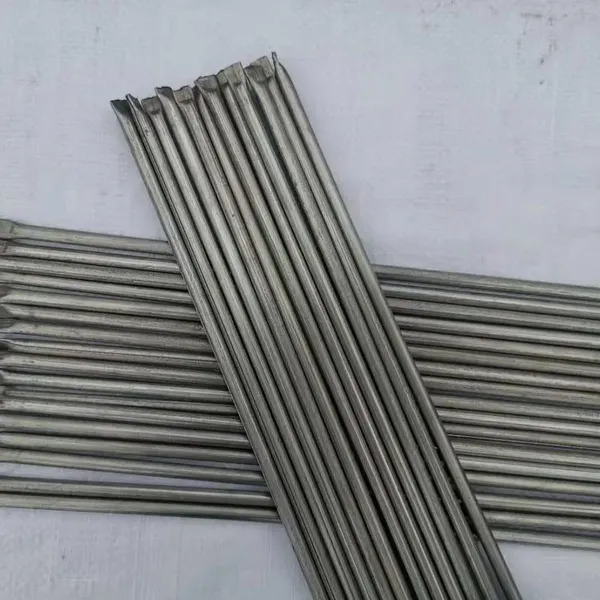 Read More
 -
How to Choose the Right Cemented Carbide Drill Bit for High-Performance Machining
June 3, 2026In precision machining, the drill bit is often the unsung hero. Among all types of drilling tools, cemented carbide drill bits sta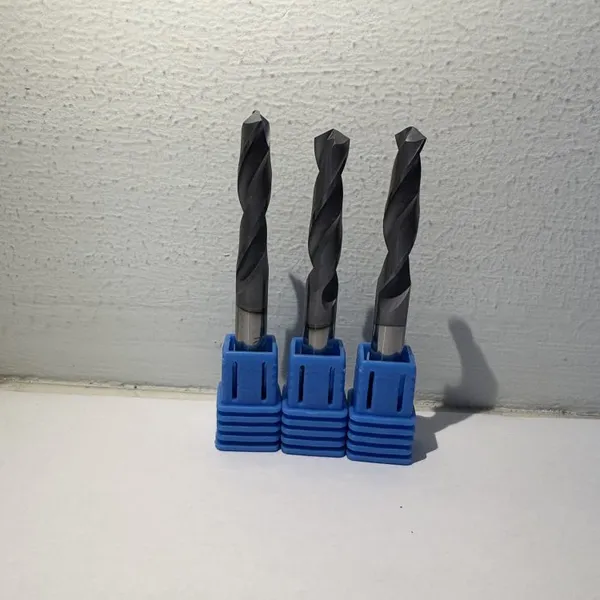 Read More
 -
Solid Carbide End Mill for HRC58 Hardened Steel – D8*20*8*60L-4F with Bronze Coating
June 2, 2026Machining hardened steel (up to HRC58) presents unique challenges: high cutting forces, heat generation, and rapid tool wear. With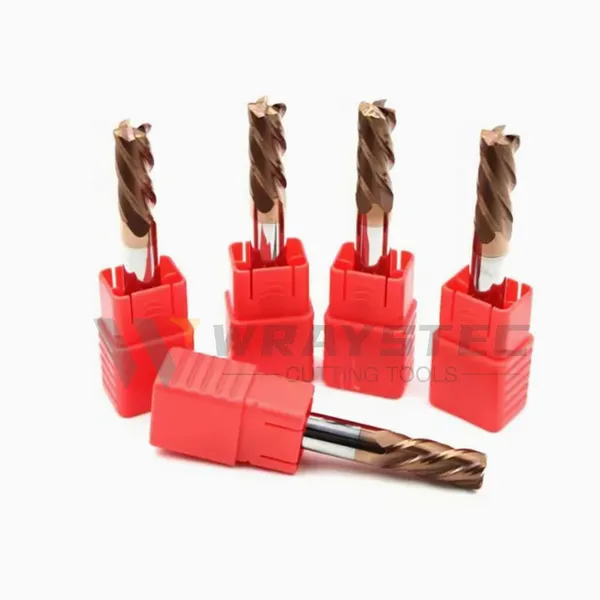 Read More

Contact Us
Recommended Products
-
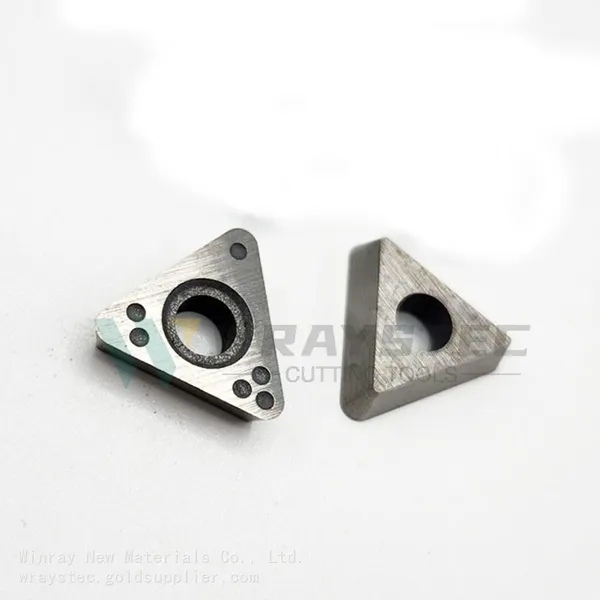
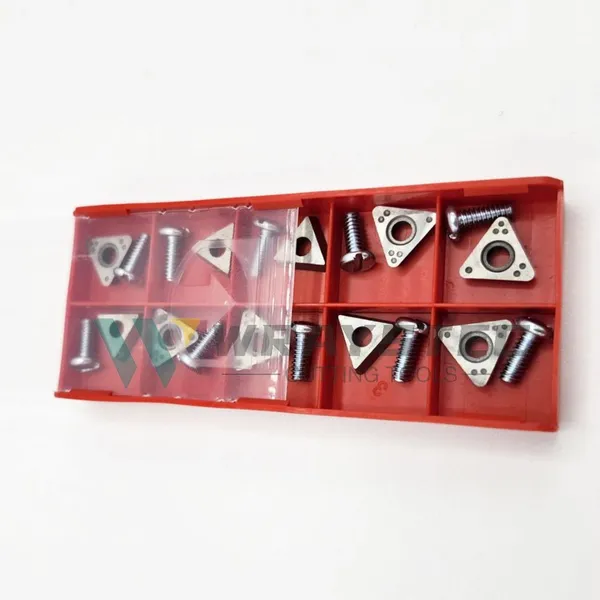
 C2 Ammco Positive Rake Carbide Bits for RELS Model 45016 R08/10/12 RadiusUS$ 2.5 - 3MOQ: 50 Blades
 -
C2 Ammco Positive Rake Carbide Bits for RELS Model Brake Lathe 45016 RELS Carbide Bits RelacementsUS$ 2.5 - 3MOQ: 50 Blades
-
Holder Number 45703 Inserts Number CB90488 Replaces Accuturn Carbide Bit for Hard SteelUS$ 1.35 - 2.82MOQ: 10 Blades
-
CB90488 Replaces Accuturn Part Number 433796 Fits Accuturn Tool Holders: 433763, 433764, 434056, 434057, 434286, 433779US$ 1.35 - 2.82MOQ: 10 Blades
-
CB90488 Positive Rake Carbide Inserts for Accuturn Models 8911, 8922, 8944, 8989, 8991, 8993US$ 1.35 - 2.82MOQ: 10 Blades
-
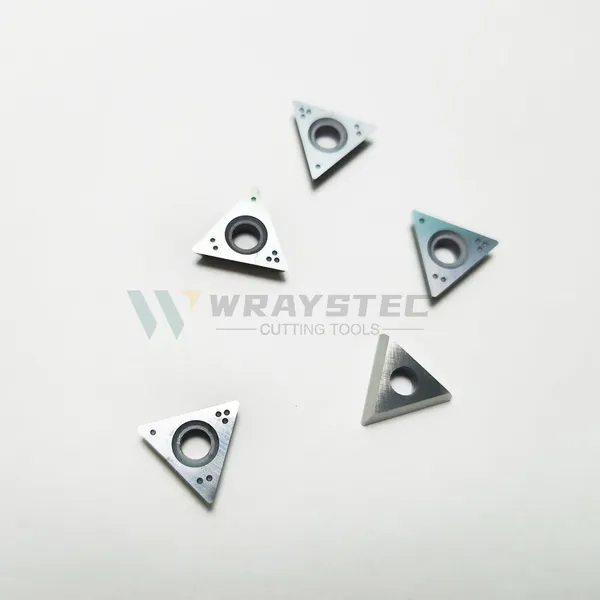
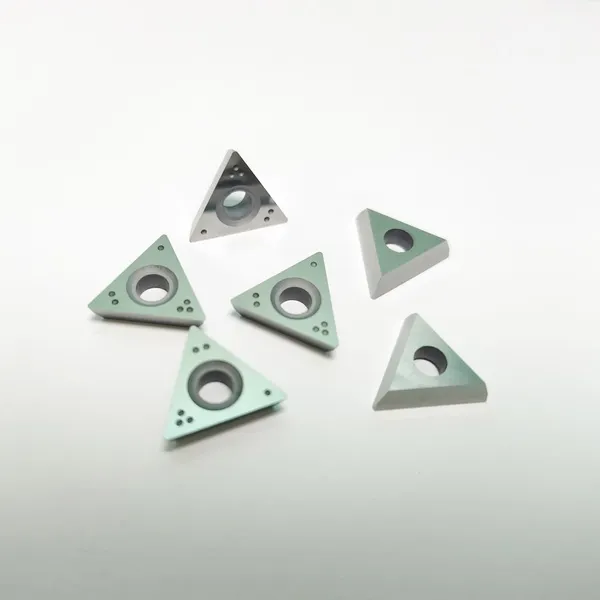
Ammco 6914 Insert Can be Used on 6 Edges With Ammco Twin Cutter (6950)/ RELS Twin Cutter (40095) /negative Rake Tool Holder Set # 45701US$ 1.05 - 2MOQ: 10 Blades
-
Negative Rake Carbide Inserts For Ammco Models 4000, 4100, 7000 Lathes CB6914/6918-10US$ 1.05 - 2MOQ: 10 Blades
-
Positive Rake Carbide Bits for Ammco Model 2000 Brake Lathe CB6914-10US$ 1.05 - 2MOQ: 10 Blades
-
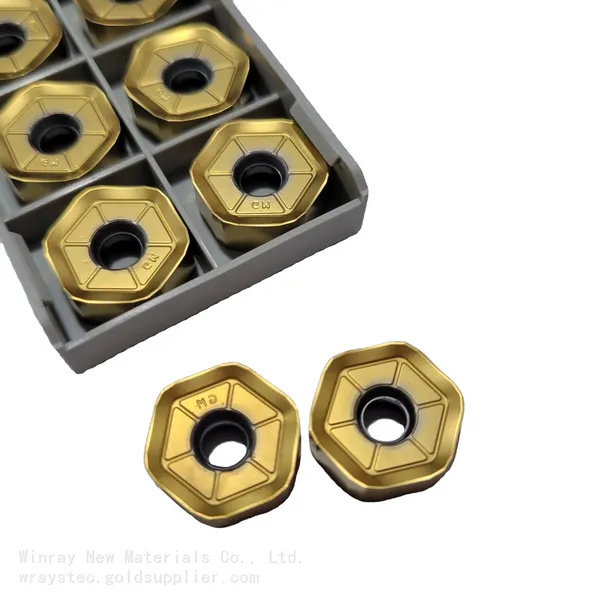
Carbide Milling Tools HNGX0906 45 Degree Double Side Heavy Duty MachiningNegotiableMOQ: 10 Blades
-
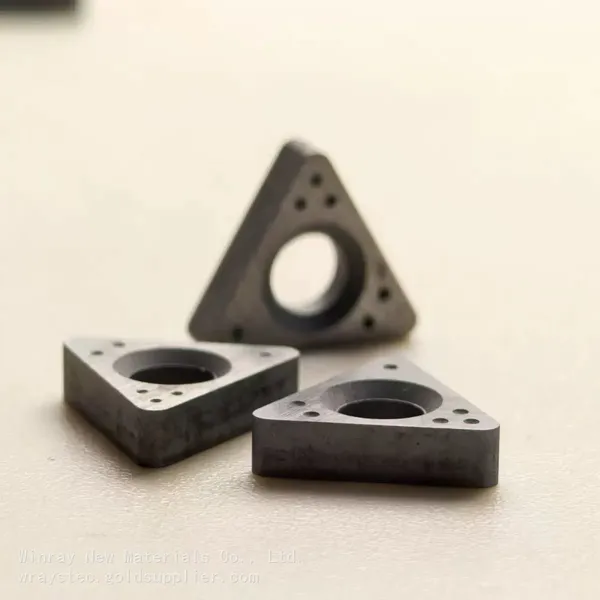
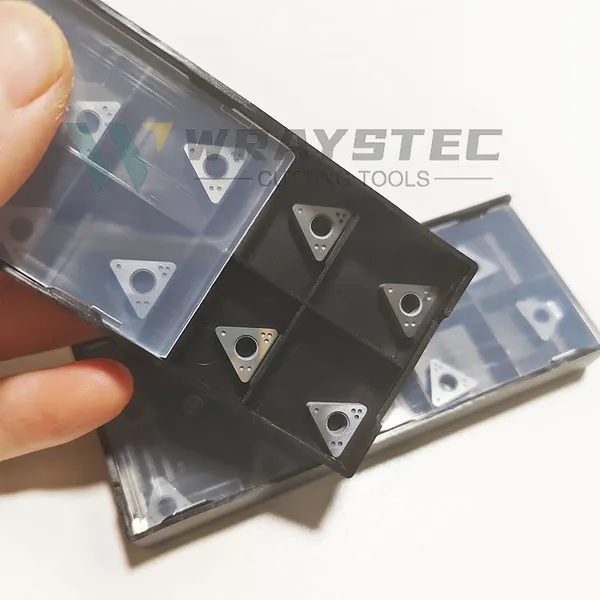
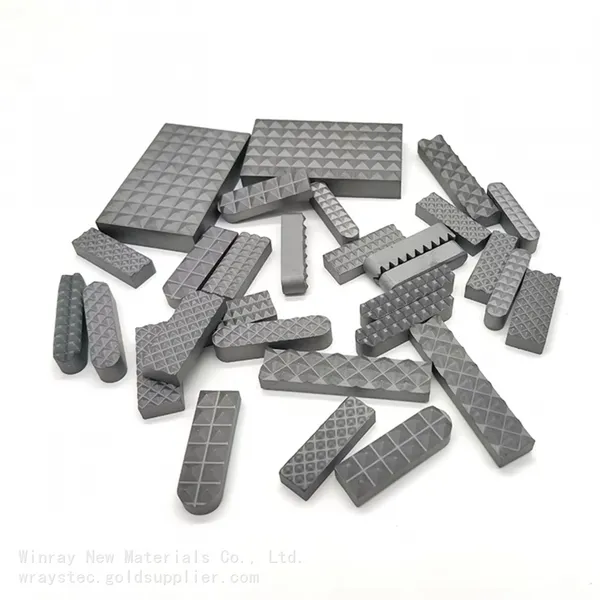
Carbide Chuck Jaw Inserts for Pipe Chuck Clamp MechanicalNegotiableMOQ: 100 Blades
-
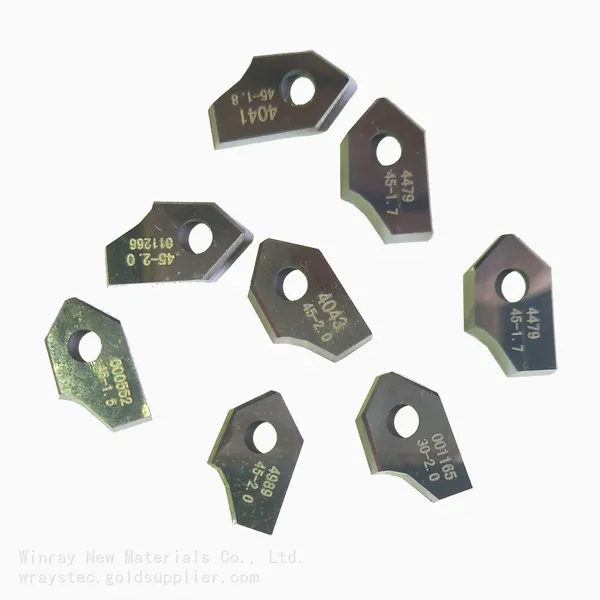
Modern Design High Precision Serdi Carbide Pilot for Guide Cutting MachineNegotiableMOQ: 10 Blades
-
Valve Seat Boring Machine Carbide Incisors Tungsten Carbide Valve Seat InsertsNegotiableMOQ: 10 Blades
-
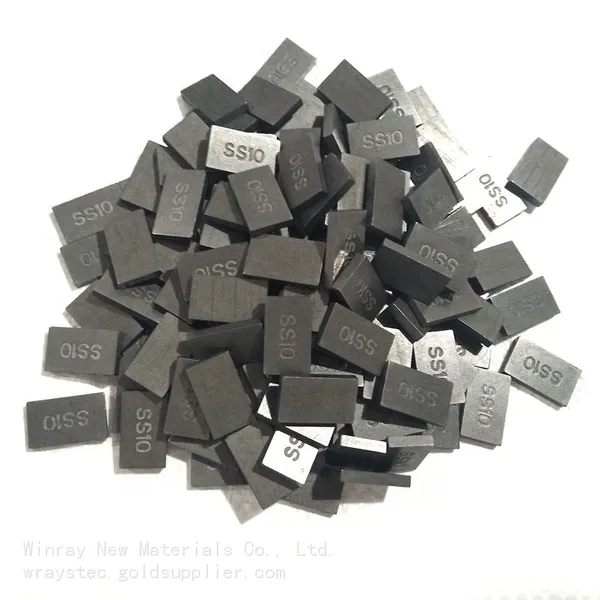
ISO Standard and Best Price Carbide Tips Ss10 Carbide Stone Cutting TipsNegotiableMOQ: 20 Kilograms
-
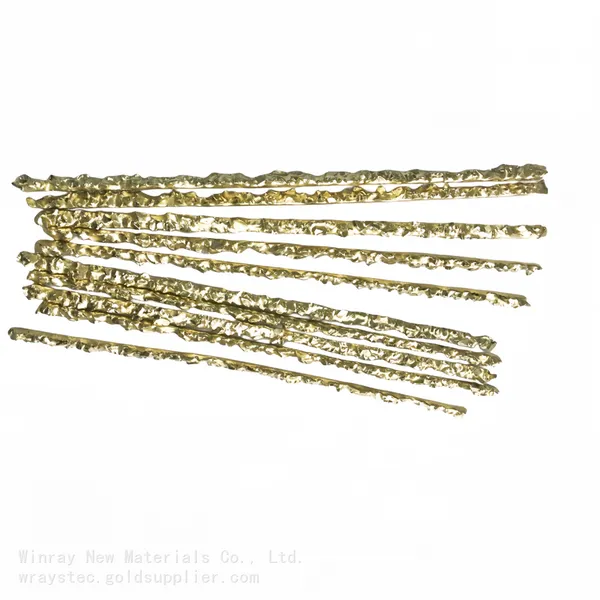
Tungsten Carbide Composite Rods Welding Composite Rods High Wear Resistance for AgriculturalNegotiableMOQ: 10 Kilograms
-
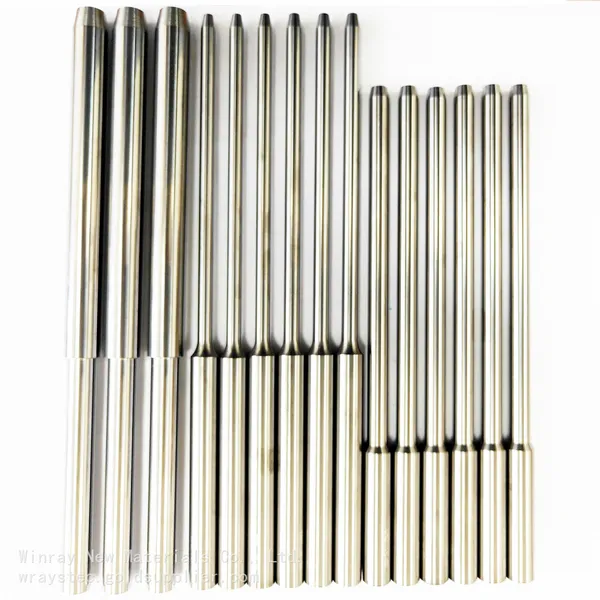
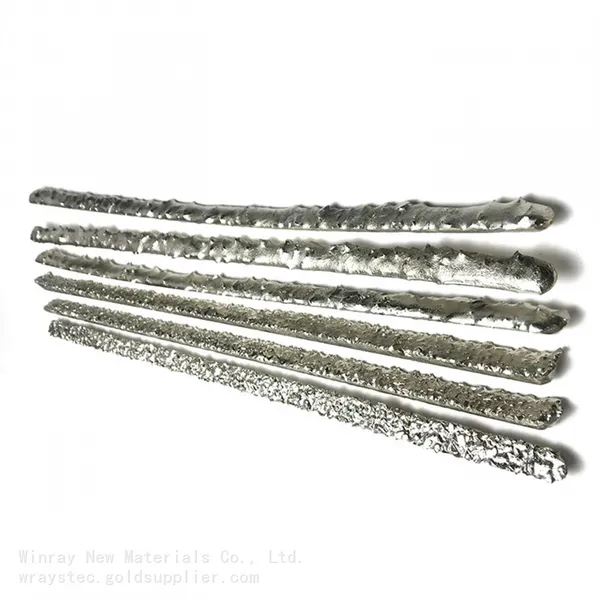
Tungsten Carbide Composite Rod YD Rods YD-5 60/40 With Nickel Matrix AlloyNegotiableMOQ: 10 Kilograms
-
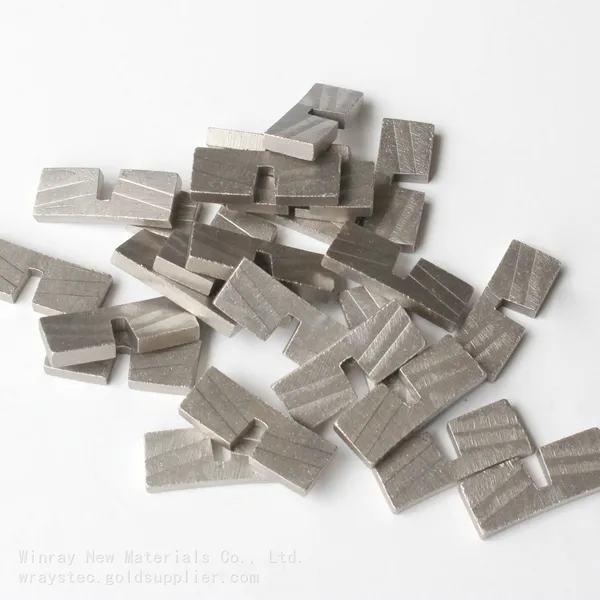
U-shape 40*4.4/4.7/5.0*15mm Diameter Granite Marble Stone Cutting Disc Saw Blade SegmentsNegotiableMOQ: 1 Blade
-
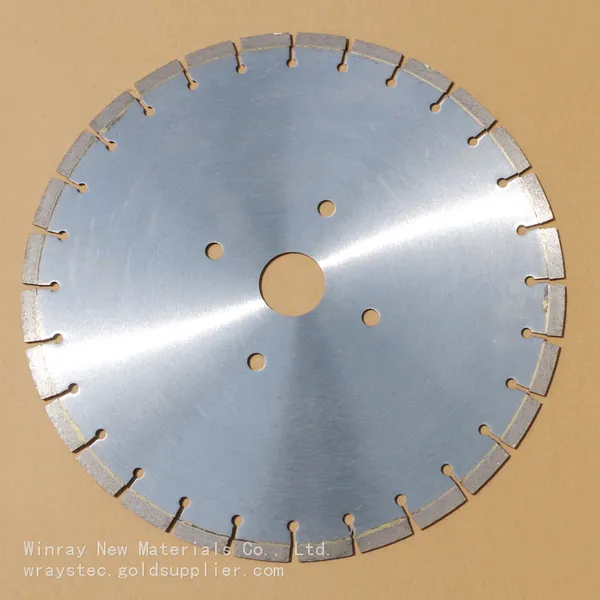
Diamond Saw Blades for Marble Block CuttingNegotiableMOQ: 1 Blade
-
Diamond Wire Rope for Mining OperationsNegotiableMOQ: 1 Combo
-
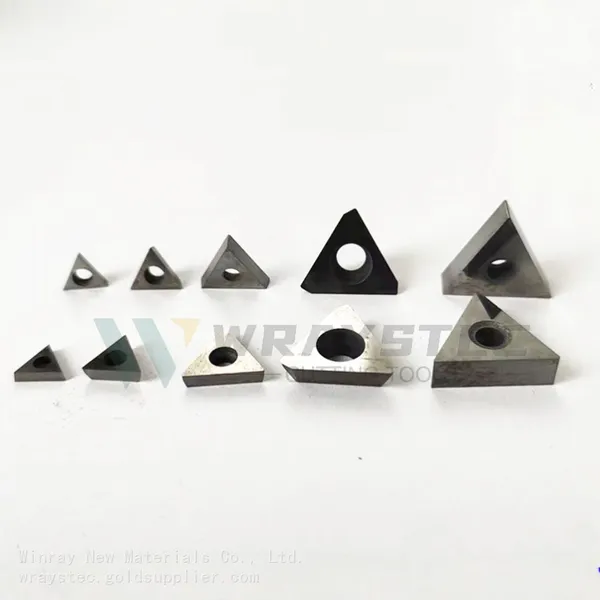
100% Carbide Raw Materials of PCD Inserts With High Hardness Carbide Base TNGA16T304/08NegotiableMOQ: 10 Blades
-
TNMG160404/08/12 CNC Cutting Inserts Triangular Shape for Precision Turning of Steel and Stainless Steel WorkpiecesNegotiableMOQ: 10 Blades